

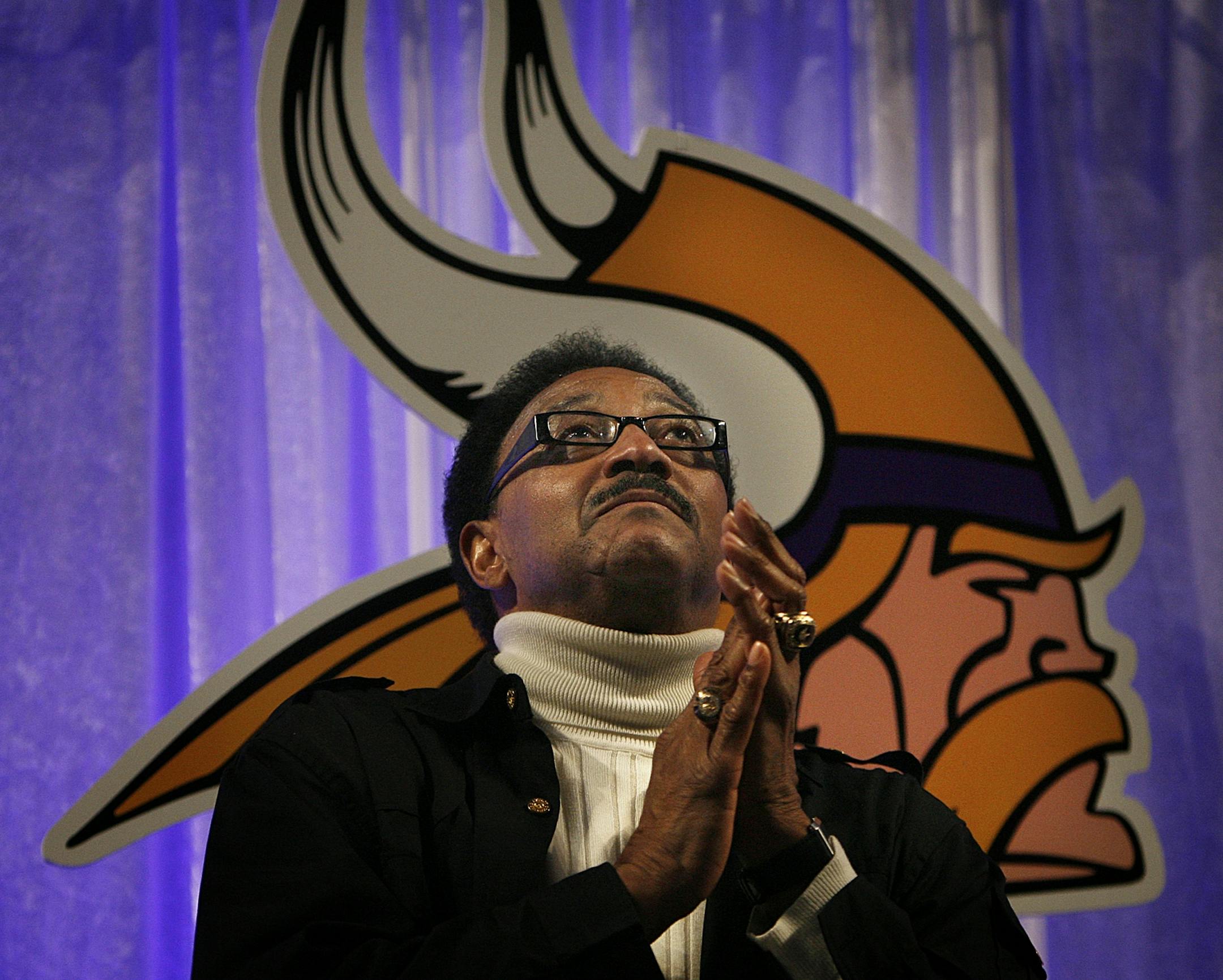
This is likely to be the most important offseason ever for the Minnesota Vikings, and the status of Brett Favre is a distant second on the priority list.
After more than a decade of lobbying under the direction of two owners -- and at possibly the worst time in state history to try to secure state aid -- the team will push hard during the upcoming legislative session for a mostly publicly financed stadium.
While Minnesotans focused on the unforgettable season that ended in disappointment last week, the team's lobbyists, business leaders, legislators and the governor have worked mostly behind the scenes to build momentum for a plan that no doubt will be unpopular with many state taxpayers.
It's time for the debate to move into a more open and productive public stage. Before any decisions are made at the Capitol, Minnesotans deserve a full and transparent discussion of the myriad issues raised by the stadium push. And if stadium supporters hope to succeed, it's time for them to turn up the energy level and start promoting this project as a positive contribution to the community's future. Skeptical voters aren't going to be won over by half-hearted endorsements focused only on what might be lost without a new stadium.
Here's what we're expecting from key stakeholders in the weeks ahead:
The Vikings: Realistic solutions. Owner Zygi Wilf deserves credit for playing down the threat of a move, but the possibility is real with the team's lease set to expire after the 2011 season. The arms race in professional sports makes public financing for stadiums almost a given for any market that chooses to play the game, but the Vikings need to recognize the economic realities in Minnesota today and work with legislators to come up with a financing plan that minimizes the financial hit on the state over the next few years and commits the team to stay in Minnesota for generations to come.
The team has discussed a $650 million open-air stadium in downtown Minneapolis, with the Vikings and NFL contributing $216 million. Add a retractable roof, and the price tag rises to $870 million. The Vikings say they don't need the roof, so the team's contribution wouldn't increase.
That's an unrealistic sales pitch. Given the limited NFL schedule, only a roofed stadium would return full value to the community as a draw for convention business and other major events. The team should acknowledge that reality and be ready to increase its contribution. And it's time to stop the nonsense about a suburban location. A new stadium on the Metrodome site would almost certainly be less expensive, and investing in a downtown Minneapolis facility, with so much land and infrastructure already in place, would add the greatest value to the wider community.


