

Given the current turbulence of concurrent legislative and campaign seasons, it's unlikely that many of Minnesota's elected officials have given much thought to the state of the region 28 years from now.
They should, especially because they now have an important forecast from the Metropolitan Council's recently released look ahead to 2040. The forecast should spur state leaders to emulate previous generations and make decisions today with a focus on the future.
Clearly, major changes are on the horizon. The forecast estimates that the metro area's population will grow 31 percent to 3.74 million, with a gain of 893,000 residents. There will be 458,000 more households, up 41 percent. Immigrants will account for one-third of the population growth, making the metro area in 2040 as diverse as many of our elementary schools are today.
The percentage of the population older than 65 will nearly double, from 11 to 21 percent, while the number of those younger than 25 will increase 26 percent. We'll be older. We'll also be much more diverse, with many more immigrants likely living in the central cities or nearby suburbs.
With more people will come more jobs -- and more commuting. The Met Council estimates a 37 percent employment gain, from 1.55 million in 2010 to 2.12 million in 2040. These workers would contribute to a gross metro product of $400 billion, or 1.5 percent of the U.S. gross domestic product -- not bad for the 1 percent of the national population the region will represent.
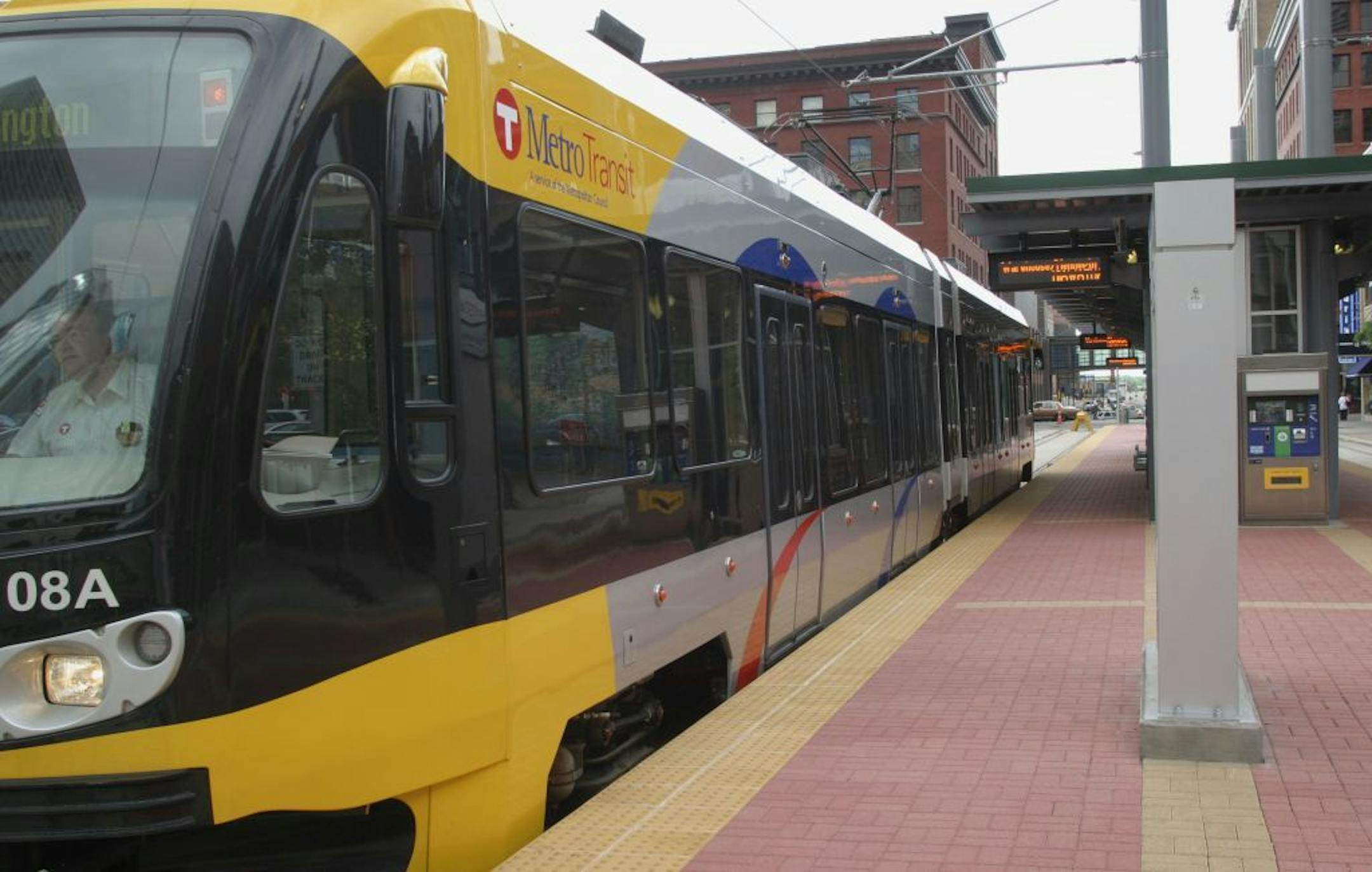
But there are downsides to that growth. There will be new pressure on an already clogged transportation system. Demand for transit is already rising along with gas prices. And, as noted in an analysis released last week by the American Lung Association, our air is already polluted to the point that it might violate federal health standards.
How will we meet that environmental challenge in 28 years, when the region will have 31 percent more people, 37 percent more jobs and 41 percent more households? The forecast suggests that the Twin Cities can't build roads fast enough to accommodate the expected growth without more costly traffic and pollution.
A strategically minded region wouldn't wait until population and employment growth create a crisis: It would make savvy, business-oriented investments now, just as previous leaders built the infrastructure and amenities that make our region work today.


