

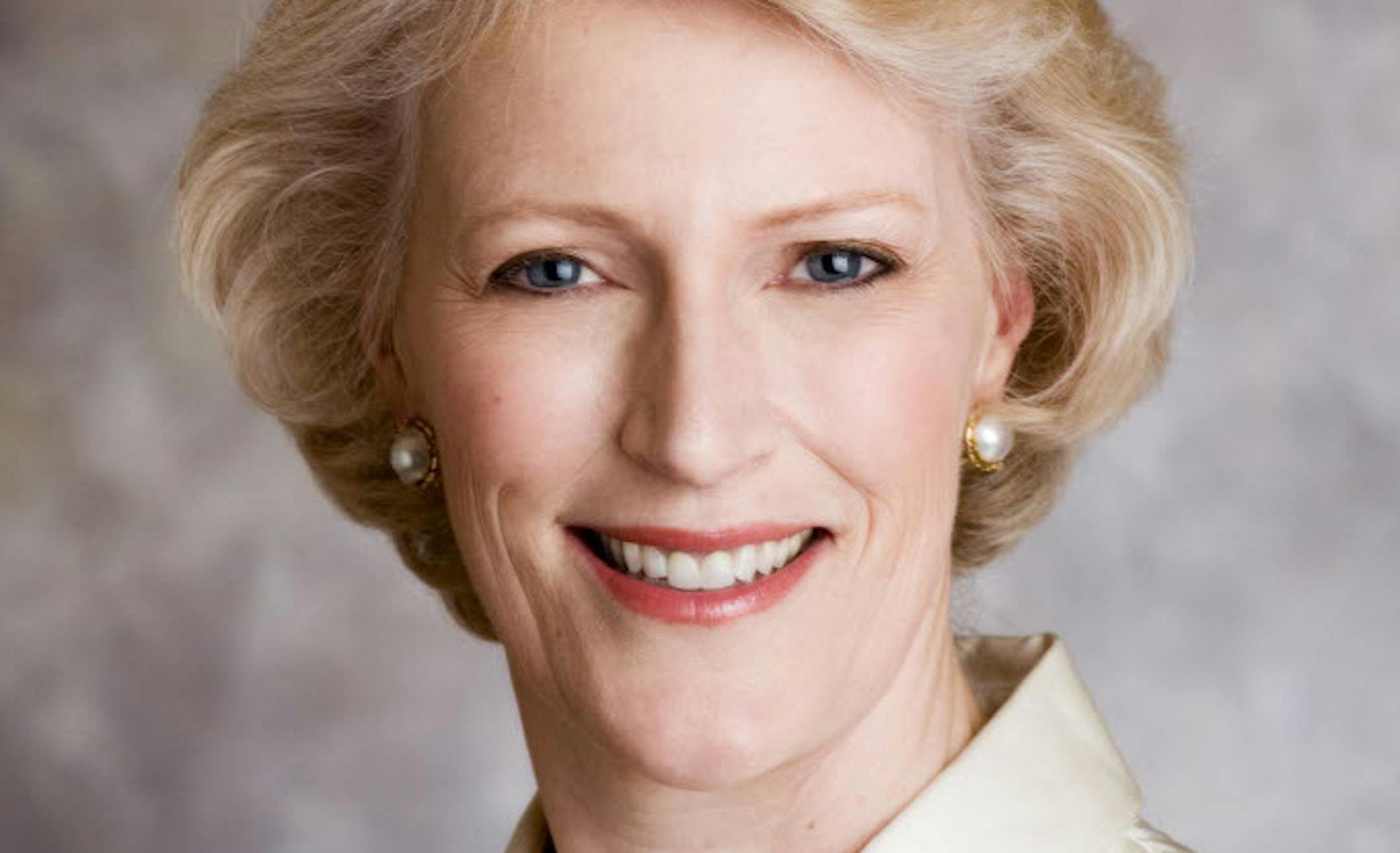
Breaking down gender barriers hasn't been easy for women, but this summer brought notable milestones. For the first time, the United States sent more female athletes than men to compete in the Olympics. Georgia's Augusta National Golf Club, home of the Masters tournament, welcomed two female members after 80 years of gender exclusivity. And in Minnesota, Trudy Rautio was named CEO and president of Carlson, the Minnetonka-based global hospitality and travel company.
Rautio's name can be added to the remarkably short list of female CEOs of large companies. Fewer than two dozen of America's publicly held Fortune 500 companies are led by female CEOs, which heightens Rautio's profile immensely. The fact that she's the second female to hold the top spot at Carlson is heartening.
Marilyn Carlson Nelson, who served as CEO from 1998 to 2006, chairs the company's board of directors. As CEO, she repeatedly made Forbes magazine's list of the world's most powerful women. Nelson, the daughter of the company's founder, the late Curt Carlson, remains a trailblazer in her board role. Too many corporate boards, especially among larger companies, are exclusively male.
"When I had my first job at Paine Webber in late 1961, there was not a single female CEO in the Fortune 500," Nelson told an editorial writer. "When I became CEO of Carlson in 1998, there were two. Now, I'm so proud to be able to say that we've contributed to the progress. I believe part of leadership is using the platform you have to make the difference you want in the world."
Rautio's credentials are impressive: Fifteen years as a senior executive at Carlson in several roles, including executive vice president and chief financial officer for the past eight years. She's earned an MBA and is both a certified public accountant and certified management accountant. The Minnesota native will now lead a company with more than 170,000 employees in 150 countries. Its operations include 1,300 hotels and 900 restaurants, and the company had systemwide revenues of $38 billion in 2011.
Nelson and others cite a variety of reasons why more women aren't soaring to the top of America's largest companies. Nearly 40 years ago, women accounted for only 34 of 776 students at Harvard Business School. Today, the student body is 36 percent female, but that hasn't yet translated to dramatic changes in corporate leadership.
Women account for only 15 percent of board memberships on Fortune 500 companies, and only 4 percent are CEOs. Adding to the inequity, male executives still earn far more than their female counterparts. Progress has come too slowly for women in 21st century corporate America. Yet, there is hope. Maggie Wilderotter, CEO of Frontier Communications Corp., told the Wall Street Journal that the numbers of promising female candidates continues to grow -- so much so that the ranks of female CEOs at large companies could double over the next five years.
Sadly, on the ladder of the success, too often female executives are placed under scrutiny and expectations that men seldom face. When Marissa Mayer jumped shipped from Google to become CEO of Yahoo earlier this year, many news articles focused on whether she was up to the task because of her pregnancy. Her appointment also sparked another national debate on the tiresome topic of whether women "can have it all" -- work and family.


