Last year's 10-year remembrance of 9/11 was a milestone for the victims, citizens and politicians who marked a remarkable decade of new challenges following the terror attacks.
The news media will pay far less attention to today's 11-year anniversary, of course, but the past year has provided a number of significant reminders that the lessons learned in 2001 should never be forgotten.
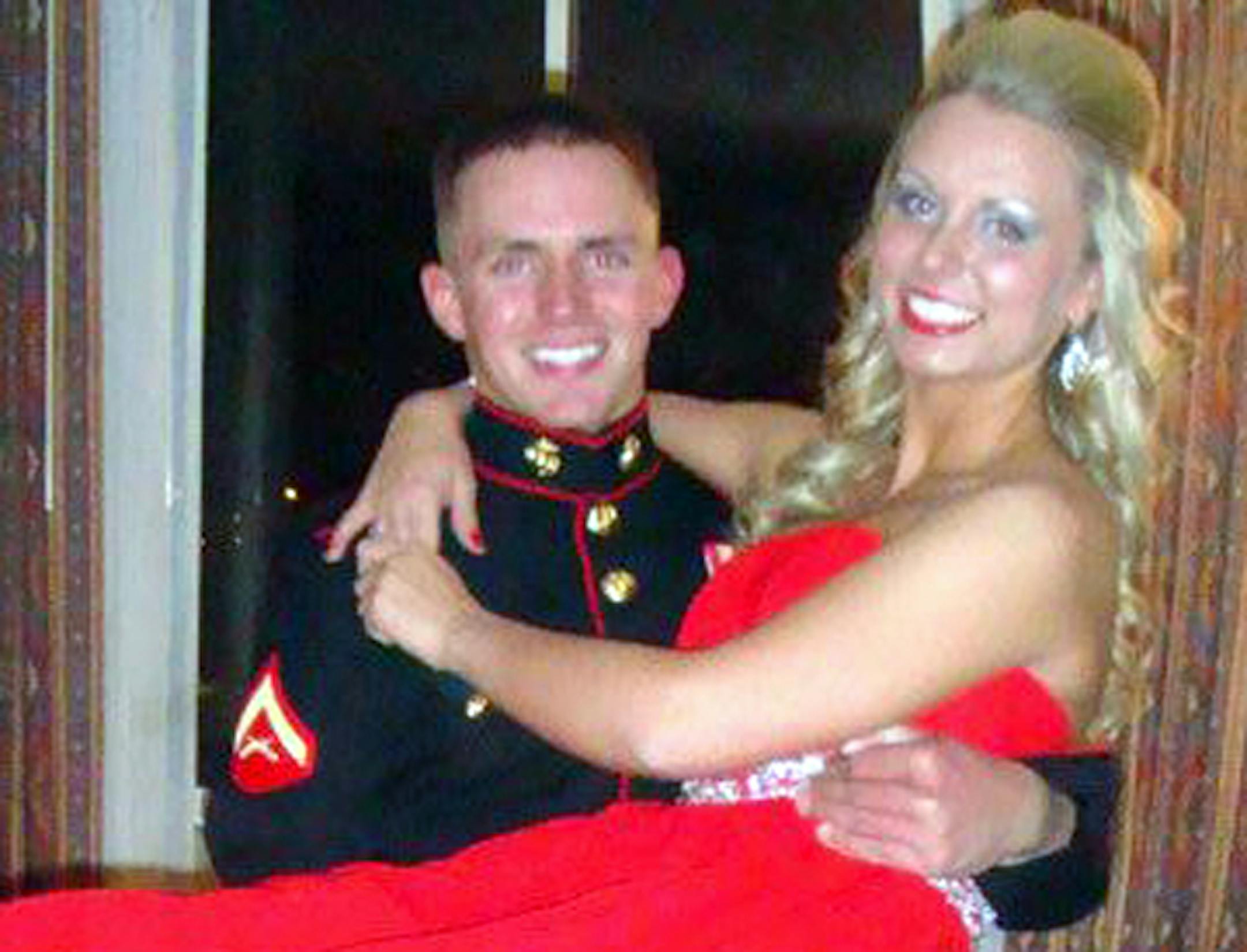
The events of 9/11 led to the war in Afghanistan, which will soon enter its 11th year. In June of this year, Cpl. Taylor Baune, a just-wed, 21-year-old Marine from Andover, became the 2,000th American killed in combat there.
More members of our military have been killed since, and more are likely to make the ultimate sacrifice before combat operations wind down in 2014. Others have returned home wounded -- some with visible afflictions, and others with equally or more damaging mental-health challenges.
The end of combat operations will not mean the end of caring for those who fought America's longest war. In fact, medical needs may increase, and costs are likely to rise. But even as the passions, and even some memories, of 9/11 begin to dull in decade two, our national commitment must be as strong as ever.
The sequestration process that resulted from Beltway budget negotiations is just the first of what will be many attempts at Pentagon belt-tightening. Supporters of weapons systems and military bases will expensively lobby to spare those areas from the brunt of cuts. Military members often don't have equal advocates. It will be up to the American people to remind elected officials that "Support our Troops" is not a fading bumper sticker, but a durable national value. Forever.
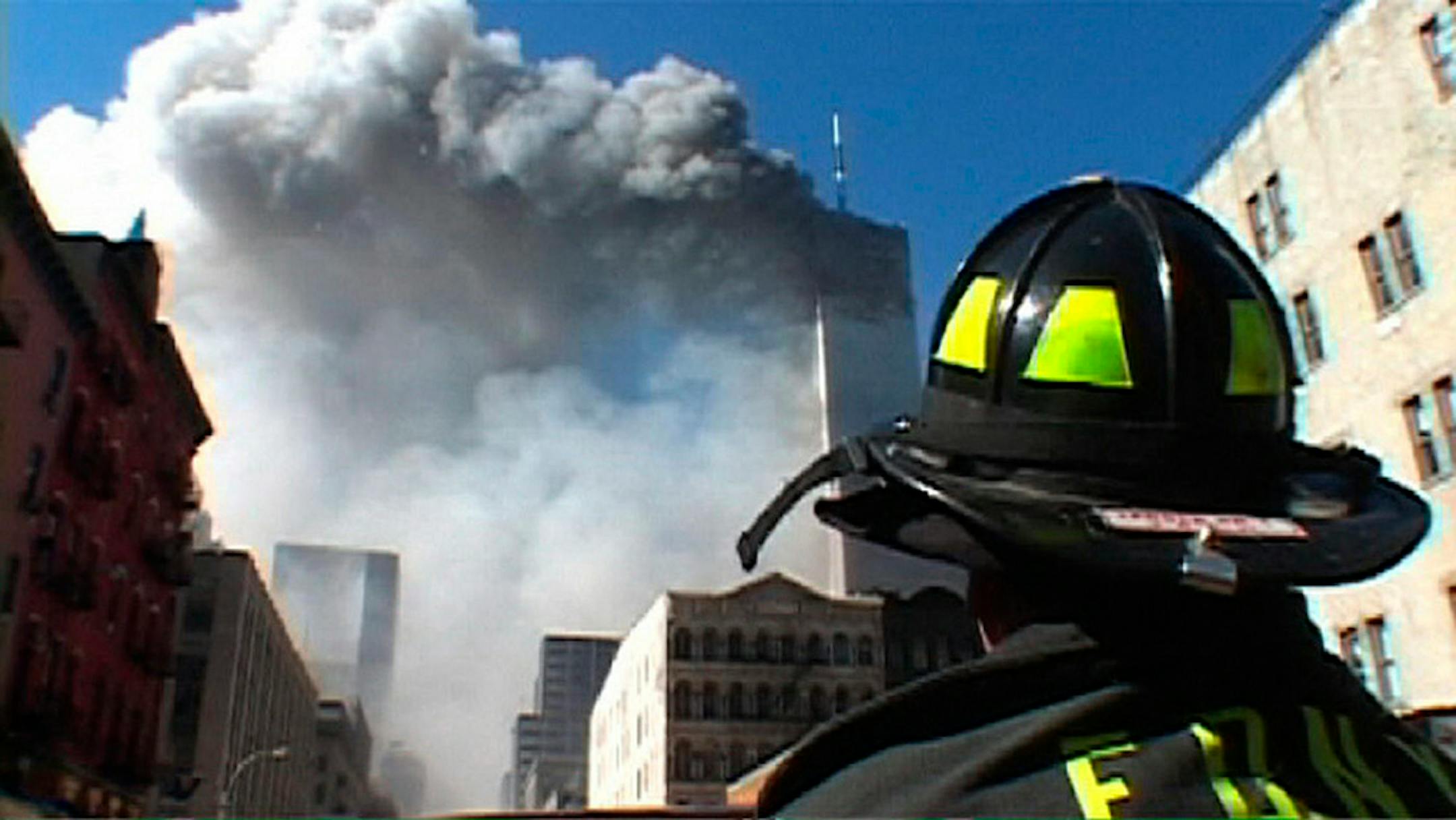
We have a similar obligation to the first responders who rushed to save lives at the scenes of 9/11 attacks. Earlier this month, the Associated Press reported that officials responsible for distributing $2.7 billion to ground zero first responders and others who became ill after being exposed to the ruins of the World Trade Center were struggling to launch the compensation program.
About 40,000 responders and survivors are monitored for health issues, and 20,000 of them have been treated for illnesses under the health program that is one component of the James Zadroga 9/11 Health and Compensation Act, which President Obama signed into law two years ago.