

Voters' ability to judge political messages depends in considerable part on their ability to know "who says?" It's regrettable that the availability of that information in presidential and congressional campaign ads has eroded significantly as a result of the January 2010 U.S. Supreme Court decision known by its plaintiff's name, Citizens United.
Fortunately, that's less true in Minnesota in elections for governor, other constitutional offices and the Legislature. A strong disclosure law enacted in 2010 has kept Minnesotans in the know about the origin of ads.
But that state law now sits under a worrisome legal cloud. Last week, the federal Eighth Circuit Court of Appeals said Minnesota's disclosure requirement is "most likely unconstitutional" -- at least in its reporting requirements for small and/or inactive groups that engage in political spending not directed by or funneled through candidates themselves.
The federal appellate panel's 6-5 majority opinion was particularly critical of the state law's requirement of ongoing reporting by groups that spend no money during a reporting period. It faulted Judge Donovan Frank's refusal to issue an injunction two years ago about that reporting requirement, in response to a broader request by Minnesota Citizens Concerned for Life (MCCL), the Taxpayers League of Minnesota and Coastal Travel Enterprises LLC of St. Paul.
The appellate panel's reversal of Frank's decision was enough to worry Minnesota's campaign watchdogs -- even though the panel's majority did not find the entire 2010 disclosure law unconstitutional. Writing for the majority, Chief Judge William Jay Riley said the court expressed "no opinion as to whether any of the other obligations Minnesota imposed upon associations speaking through political funds would ... survive" scrutiny.
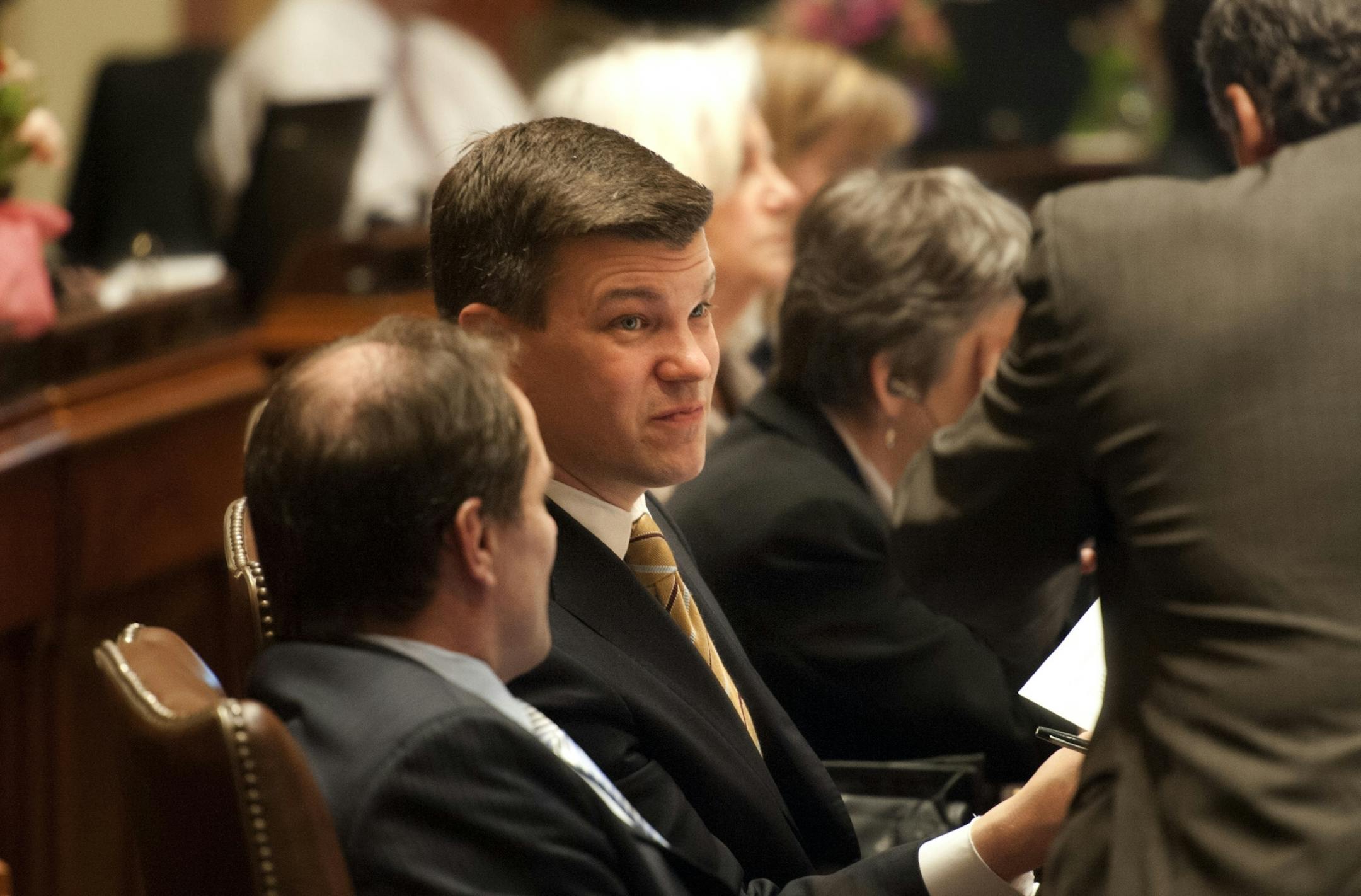
Still, those words and the reversal of Frank's injunction denial led one legislative sponsor of the 2010 state law, DFL Rep. Ryan Winkler, to claim that the appellate court "takes a bad U.S. Supreme Court decision and makes it worse." Together with Citizens United, the two decisions "degrade the democratic system, and undermine the ability of ordinary people to choose their government," Winkler said.
Those are strong words that, as applied to the case against Minnesota's disclosure law, strike us as premature. A full trial of that case has not yet been conducted. Final disposition of the MCCL case may be years away. It may be that the judges will be satisfied by a minor lessening of the reporting requirements for small associations in non-election years.
But the appellate court could be pointing the way for those who seek a bigger tear-down of disclosure requirements. This time, the panel found the periodic submission of a one-page form excessively burdensome. Campaign watchdogs are wondering what the objection will be the next time a disclosure law is on the docket. And they expect some organizations to refuse to comply with the state law in anticipation of more freedom to do so.


