

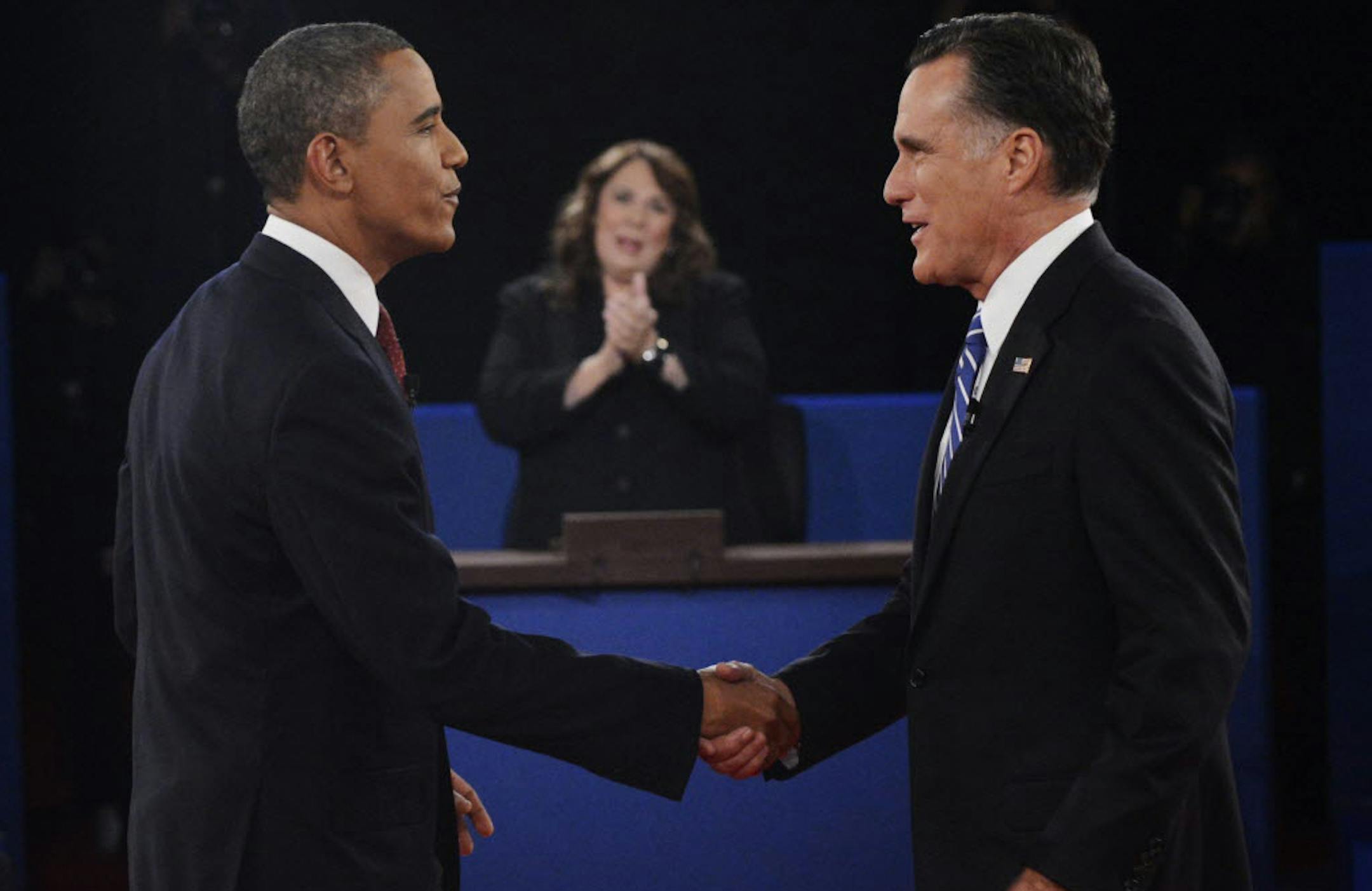
There can be no argument about the debates: They have become critical turning points in the 2012 presidential election. GOP nominee Mitt Romney recast the race with his widely acclaimed dominance in his first meeting with President Obama.
In Tuesday night's second debate, however, multiple public-opinion polls confirmed Obama as the winner. Gone was the hesitant president of the Denver debate. On Long Island, Obama went on the attack in a New York minute, and stayed there.
The theatrics are important -- if not in solving the issues, at least in selecting a president. Like many voters, the dwindling "undecideds" are likely to go with their guts as much as their heads.
As with the first debate, however, all the drama was about a dénouement on Election Day. The real story will begin on Nov. 7, and will continue through four years that will define America's future. And just as with the first debate, and the vice presidential matchup, Tuesday's thrust-and-parry left unanswered key questions about what economic sacrifices voters should expect, and what political compromises elected officials need to make.
Obama's robust defense of how he's cleaned up the mess he inherited was a welcome reminder that although progress is frustratingly slow, the economy is inching ahead. But Romney was also right to point out that some of this progress is due to spiraling borrowing, which has created two major policy challenges: In the short term, the "fiscal cliff" the country faces at the end of the year, and in the long term, the nation's unsustainable debt.
Both candidates' evasions disappointed. Obama's complaint about a noncompromising Congress is legitimate. But he once again failed to explain how the next four years would be any different.
For his part, Romney finally gave a glimpse -- although not a plan -- of how he would pay for even more tax cuts. He suggested a possible cap to itemized deductions, with voters choosing which ones to exercise come tax time. That's hardly a blueprint, however, which is why Obama was right to refer to Romney's deficit plan as a "sketchy deal." Romney's reassurance that "of course they add up" was résumé-based, not policy-based.
Voters, and Congress, deserve more specifics. And the candidates don't have to invent them: Instead, they can embrace the sensible solutions advocated in the Simpson-Bowles plan, which realistically advises that making difficult choices now will avoid devastating choices later.


