

With rumors swirling about Paisley Park's future, the inevitable comparisons go to Graceland ("Paisley Park could be Minnesota's Graceland," April 26). As a Prince fan who left Eden Prairie for Memphis in my early childhood, let me caution Minnesotans on what "Prince-Graceland" can mean for the Chanhassen landscape.
After Elvis died in 1977, the family and Elvis Presley Enterprises turned Graceland (his home and grounds) into a tourist mecca for Elvis devotees. It is a faithful memorial, preserved in the '70s so fans can remember his career and glimpse into his life as if he "never really left."
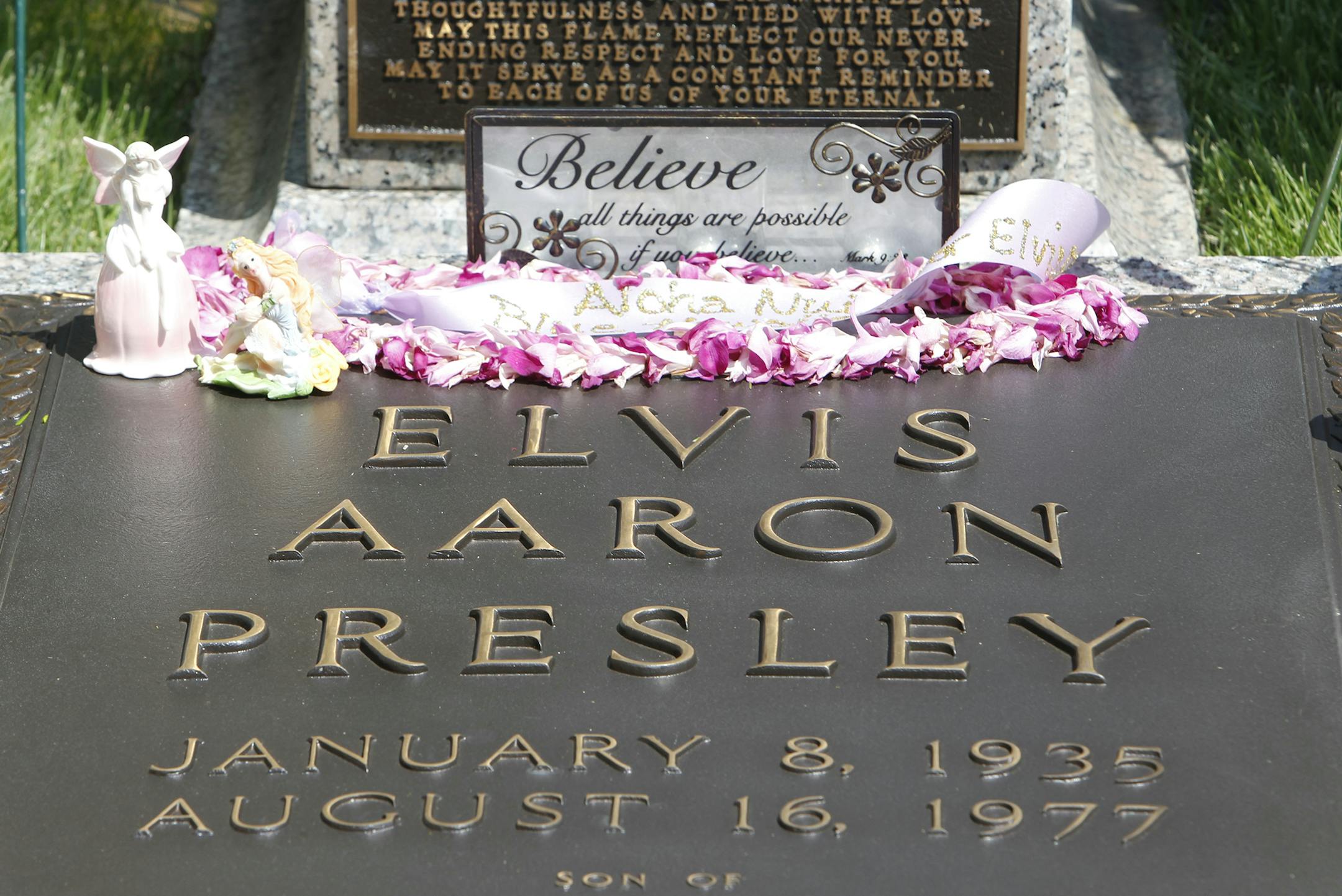
The tour includes Presley's home, his garden burial site allowing quiet moments of reflection, and a "hall of gold" showcasing gold records, Grammy awards, and other accolades, plus additional themed museums offsite.
To those of us born after his death, the tour shows how large Elvis loomed in American music and culture. Similar ideas could make Paisley Park equally faithful in honoring Prince — a place for us fans to celebrate and remember, and a place for our kids to learn and appreciate.
There are key differences that should be noticed. Graceland is within the Memphis city limits, not in a quiet suburb. Memphis already brands itself as a destination city for music tourism, with other sites and museums highlighting blues, rock and soul music history. And lest we forget the differences in the artists: Graceland was but one of many ventures "commodifying" Elvis. As the first mass-merchandised artist, his face and TCB-lightning logo appear on socks, candles, commemorative plates, cookbooks, coasters, napkin rings, Christmas ornaments, dog collars, spatulas — and toilet paper.
This was true for Elvis in life and in death, and it is in stark contrast to the privacy and control Prince sought over his music, likeness and other intellectual property. As Mojo Nixon sang, "Elvis is everywhere." Would Prince have wanted the same?
Graceland provides significant revenue not only for the Presley family but also for the Memphis economy. Tourists flock to Memphis for "Elvis Week" on the anniversary of his death and at Christmastime leading up to his January birthday. Graceland at one point was the second-most-visited residence in America (behind the White House) and averages 600,000 visitors annually.
Tourists go not only to Graceland, but to Sun Studios where Elvis recorded; Lansky Bros. where he shopped, and many other Elvis-connected sites. This is admittedly easy to support in a city targeting tourists to see its musical legacy, and thus this comparison raises many questions. Could the same tourist destination be replicated in Minneapolis and Chanhassen? How would such play out?


