
Editorial counterpoint: Misinformation fuels fears about triclosan

The ingredient, found in antibacterial soap, is safe and regulated at the federal level. State legislation is not needed.

March 18, 2014 at 11:29PM
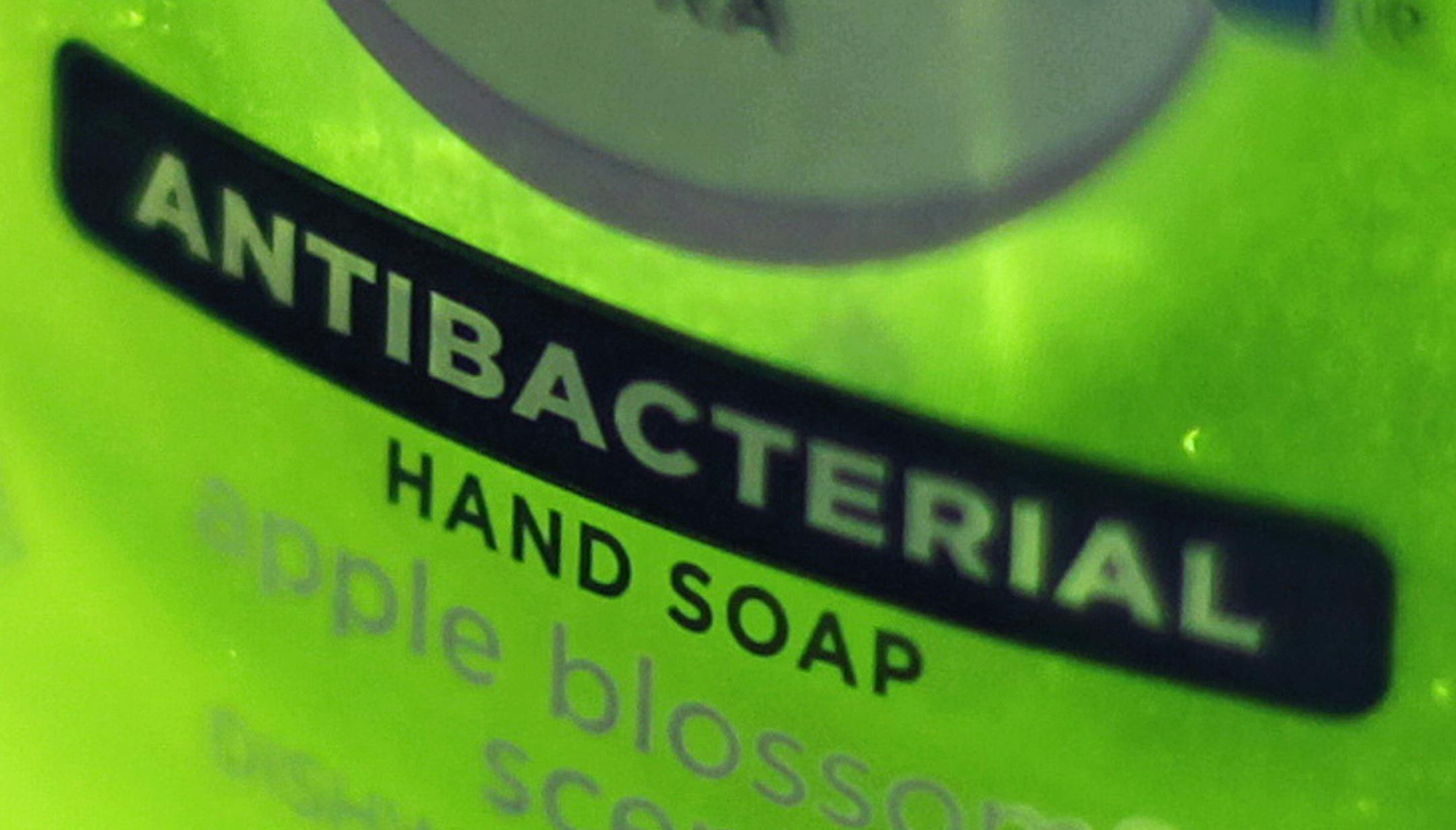
This Tuesday, April 30, 2013, photo, shows Dawn Ultra antibacterial soap in a kitchen Tuesday in Chicago. Federal health regulators are deciding whether triclosan, the germ-killing ingredient found in an estimated 75 percent of anti-bacterial liquid soaps and body washes sold in the U.S. is harmful. The ruling, which will determine whether triclosan continues to be used in household cleaners, could have broader implications for a $1 billion industry that includes hundreds of anti-bacterial produ
This Tuesday, April 30, 2013, photo, shows Dawn Ultra antibacterial soap in a kitchen Tuesday in Chicago. Federal health regulators are deciding whether triclosan, the germ-killing ingredient found in an estimated 75 percent of anti-bacterial liquid soaps and body washes sold in the U.S. is harmful. The ruling, which will determine whether triclosan continues to be used in household cleaners, could have broader implications for a $1 billion industry that includes hundreds of anti-bacterial products from toothpaste to toys (AP Photo/Kiichiro Sato) ORG XMIT: NYBZ153 ORG XMIT: MIN1312201444542405 (The Minnesota Star Tribune)

The Star Tribune's March 11 editorial supporting state legislation to ban the ingredient triclosan — found in a number of antibacterial soaps and body washes — contributes to a parade of misinformation and distortion that we have sadly seen in Minnesota as of late.

Triclosan is the most reviewed and researched active ingredient used in antibacterial soaps and body washes. Antibacterial wash products with triclosan provide a key public health benefit by killing harmful germs on the skin that can make us sick (compared with non-antibacterial soap), as reported by 2011 research in the Journal of Food Protection.

Triclosan's use in antibacterial soaps is regulated by the U.S. Food and Drug Administration. Yet proponents of the legislative ban on triclosan seemingly forget or ignore this reality.

Instead of letting federal regulators do their job, the ban proponents would take safe, effective and beneficial products off the shelves of Minnesota grocery, convenience and drugstores — from large retail centers to your local mom-and-pop shop on the corner.

And, as written, the bill would remove antibacterial products with triclosan from medical facilities, restaurants, food-processing facilities and public restrooms.

Regrettably, some well-intentioned public health officials and legislators also have ignored the solid body of evidence about triclosan and antibacterial soaps.

Despite irresponsible claims to the contrary, regular use of antibacterial soaps with triclosan does not contribute to antibiotic resistance (as highlighted in a 2011 review of multiple studies that was published in the International Journal of Microbiology Research). Even the Minnesota Department of Health (MDH) has bluntly acknowledged: "There is no evidence that antibacterial soaps cause antibiotic resistance."

The levels of triclosan in Minnesota waters are safe. On those rare occasions when triclosan has been detected in drinking water, it has been found at a level 10,000 times lower than the level MDH has deemed to be safe for drinking.

The Minnesota Legislature already has appropriated more than $2.3 million for MDH to address public health concerns about drinking water, and the department must further develop health-risk limits for triclosan. Let's let it finish the job.

It is unfortunate that there is so much confusion and misinformation about these products. We need to let the federal regulatory process — which is being driven by a mandated deadline — run its course.

The FDA has, for the first time in 20 years, proposed new approaches for assessing the safety and benefits of these products. Manufacturers are providing real-world scientific data and information that demonstrates what we already know: Antibacterial soaps with triclosan are safe and effective.

Minnesotans should continue to have access to these products. Misinformation and false fears should not prevent that.

Paul DeLeo is senior director for environmental safety at the American Cleaning Institute.

about the writer

about the writer

Paul DeLeo

More from Commentaries

See More
card image
Alex Kormann/The Minnesota Star Tribune

About grand juries and trial juries and the need to uphold the standards of these bulwarks against tyranny.

card image
card image