

As Minnesota's school district boundaries were drawn and redrawn over the years, many grew to include all or parts of various communities. For example, the state's largest district, Anoka-Hennepin, includes Anoka as well as 12 other suburbs. And Stillwater-area students come from all or portions of 18 different communities.
Many of the current school district boundaries made sense when they were adopted — but some of those choices may not fit well with current population and student enrollment realities.
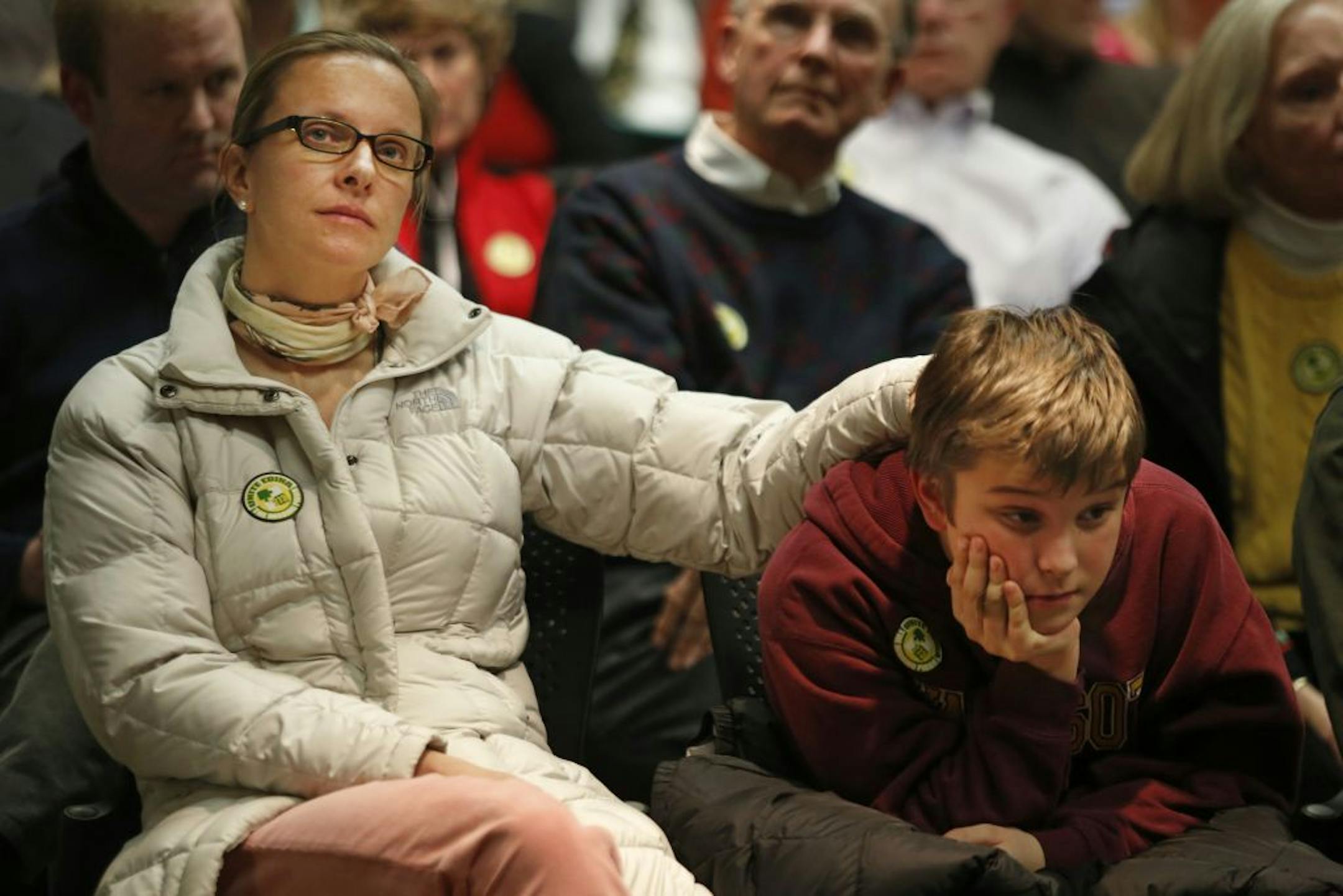
Case in point: The recent story about a group of Edina families that petitioned to leave the Hopkins district to become part of the Edina schools.
The Hopkins school district includes all of Hopkins, most of Minnetonka, half of Golden Valley and parts of Eden Prairie, Edina, Plymouth and St. Louis Park. Those boundaries reflect votes and agreements between school districts and residents over the years.
The Parkwood Knoll neighborhood, with 400-plus homes in Edina, is part of the Hopkins district, although many parents in Parkwood Knoll already send their children to Edina schools under open enrollment. But some Parkwood families have been shut out when Edina schools are full, prompting their interest in becoming part of that district.
The Hopkins school board rejected the request late Thursday, but the families have vowed to take the fight to the Legislature.
The Edina-Hopkins situation raises broader questions about whether the current process for changing boundaries in Minnesota needs study. Should some district lines, for example, receive a "big picture'' review to determine whether they fit today's population and school enrollment realities? That kind of study could reveal what efficiencies or educational benefits might be gained from more consolidation or cooperation among the state's more than 300 districts.
There were good arguments on both sides of the Edina/Hopkins dispute. Parkwood Knoll parents understandably wanted their children to attend school closer to home. When the boundaries were drawn for the Edina and Hopkins districts, there were few homes in the neighborhood.


