

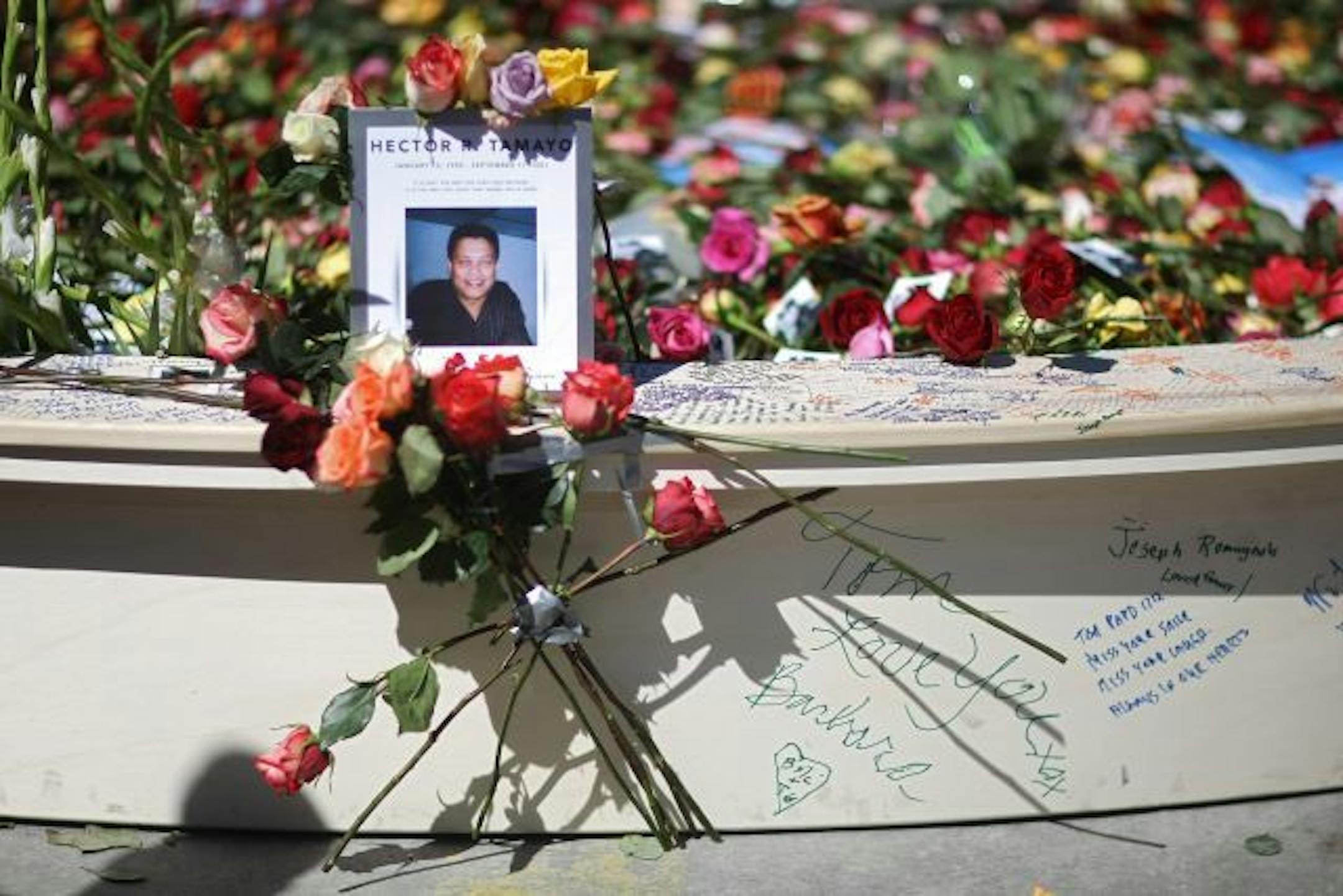
In what may be the largest 9/11 gathering of its kind in the country, Minnesotans of many faiths and creeds will assemble Sunday on the State Capitol lawn under the banner "Remembering, Healing, Hope."
Remembering is easy on this 10th anniversary of Al-Qaida's attacks. The horror in New York, Washington and Pennsylvania is seared into the minds of Americans who were of conscious age 10 years ago.
And reminders that 19 airplane hijackers murdered 2,976 people have been unavoidable in recent days, as has been the emotional echo of that trauma to the nation's psyche.
Healing and hope are less assured today, but they are much to be desired. They are essential antidotes to the fear that has too strongly colored the nation's response to the worst external attacks on domestic soil in modern history.
That response has succeeded in weakening Al-Qaida -- though not in eradicating it or other similar groups -- and in foiling numerous plots to harm Americans and their allies. But whatever gain in U.S. security has been won since 2001 has come at a high price -- higher than might have been paid had fear not been so dominant a driver of American thinking.
Two protracted wars, both sold with dubious claims as necessary for American security, have cost the lives of some 6,000 American soldiers -- not to mention well more than 100,000 civilian deaths in Afghanistan, Iraq and Pakistan.
That sacrifice has produced decidedly mixed results.
None of those three countries is a lock-sure U.S. ally going forward. None is free of the jihadist violence that Americans sought to spare themselves when they went to war.


