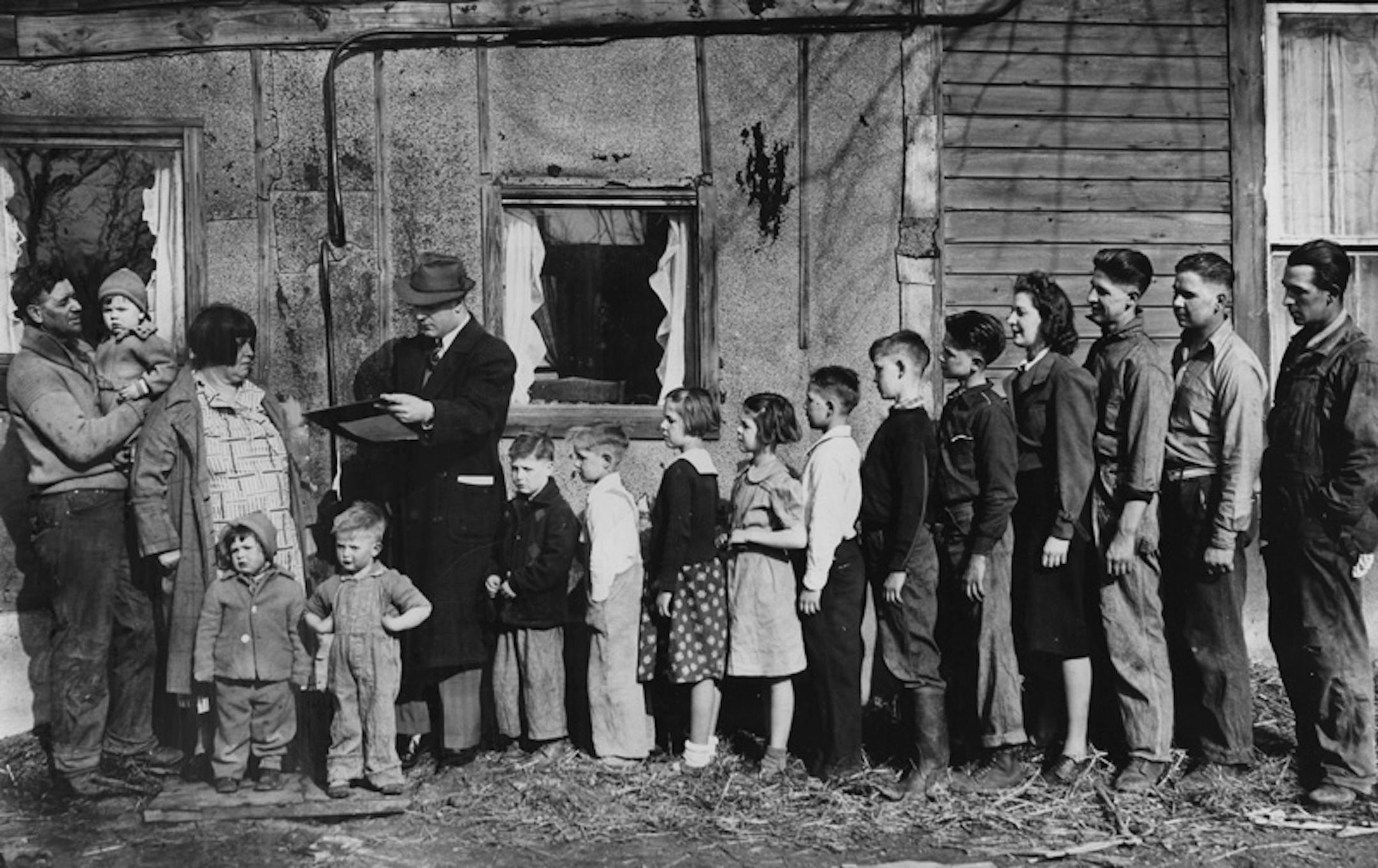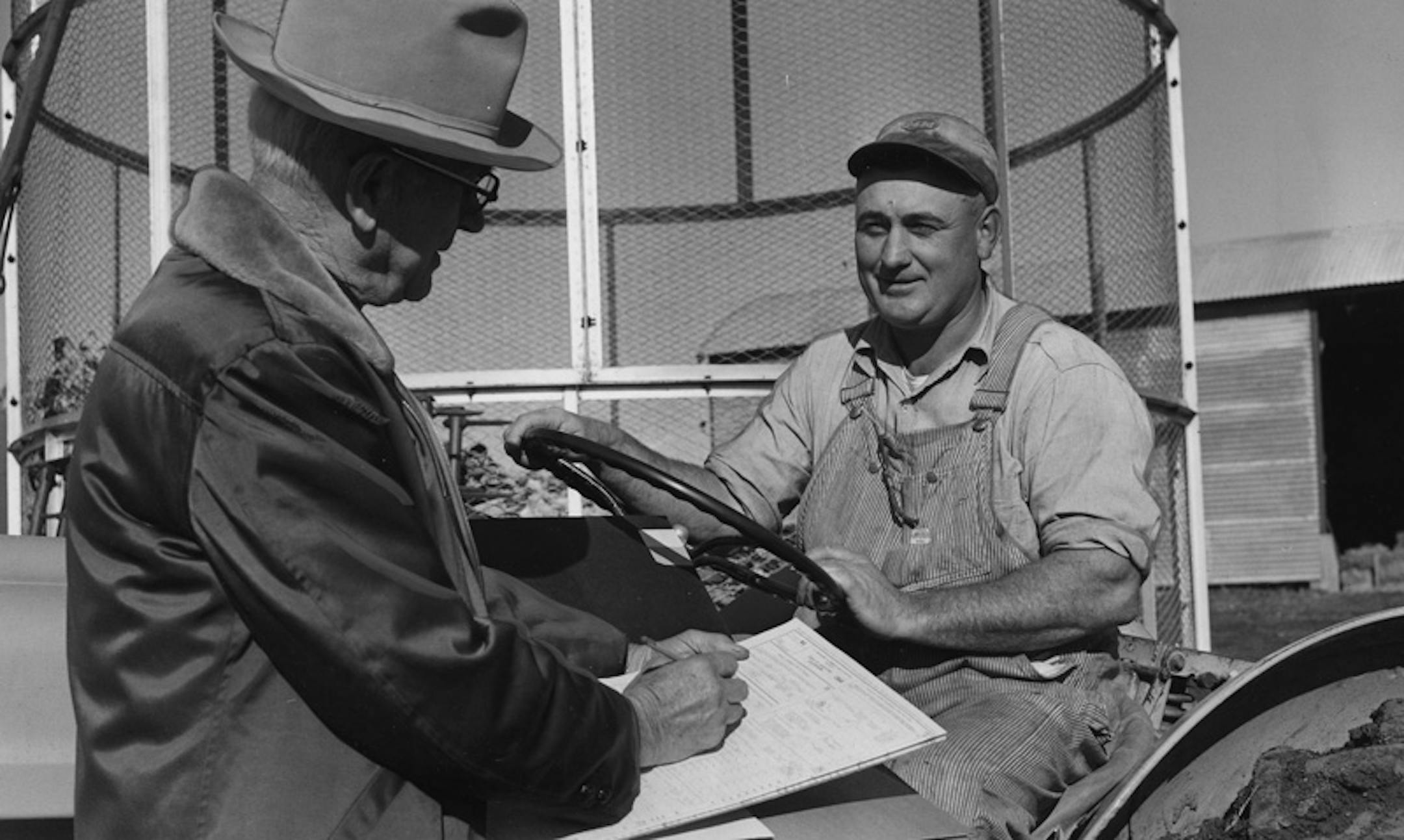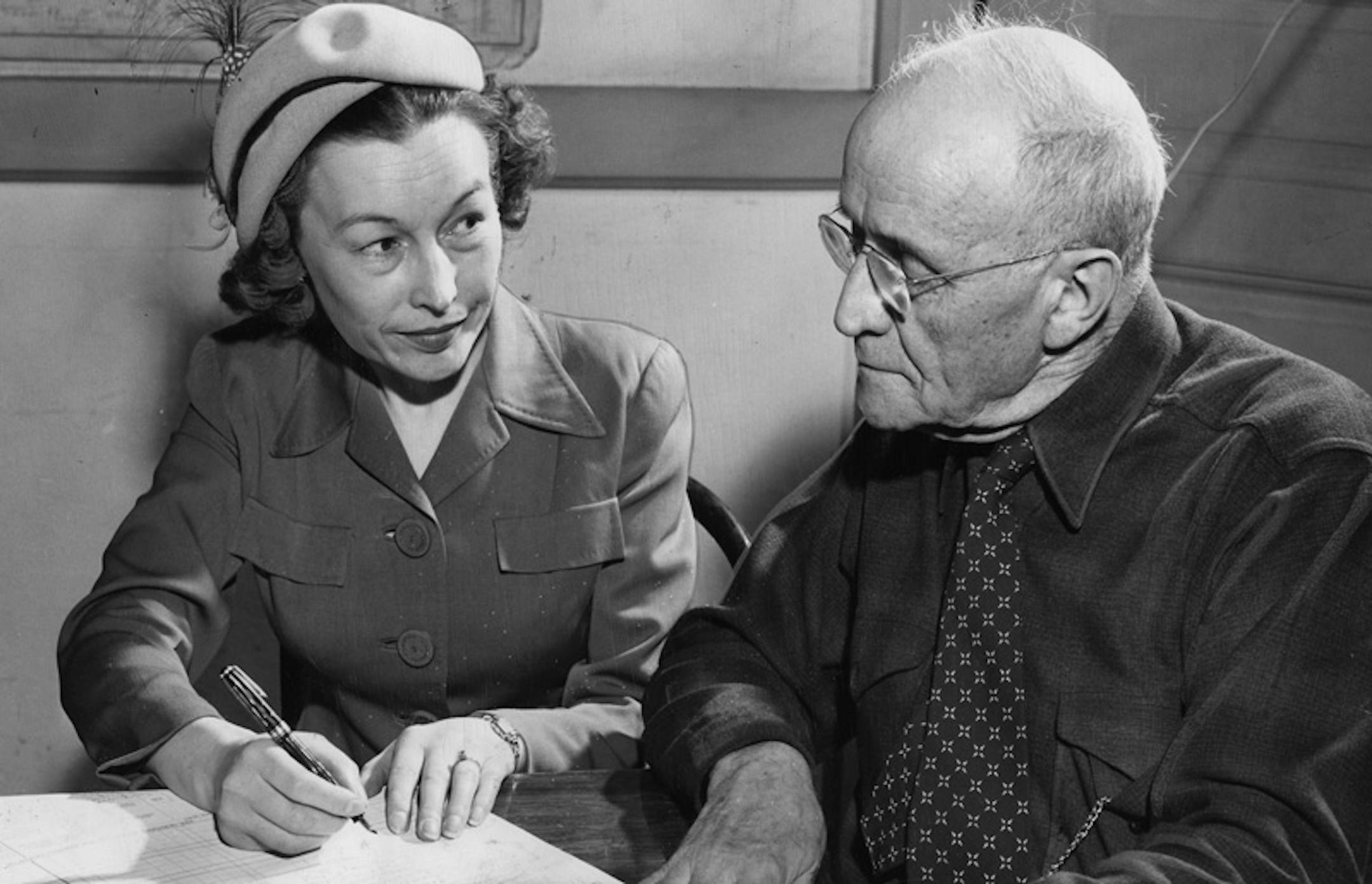
Americans love their genealogy -- so much so that last week's release of 1940 U.S. census info temporarily overwhelmed the website that hosts the historical data.
The release also prompted the Minnesota Historical Society to prepare for more visitors and inquiries. "I think there is kind of this primal desire to understand where you came from," explained Jennifer Jones, director of library and collections for the society.
There's something seductive about connecting with the past, especially if you can learn a few new facts about your family history. Viewed more broadly, though, the newly released census information is worth our time and attention because it provides an important snapshot of American life in the first half of the 20th century.
The census was far more in-depth in 1940 than in previous decades, with questions on educational attainment, income, job status and migration appearing for the first time.
"They decided to do something really special for the 1940 census," said Steven Ruggles, director of the Minnesota Population Center. As a result, there's a wealth of new information for economists, demographers, geographers, social scientists and, of course, for family historians.
Household by household, the records reveal how 132 million people were living in post-Depression, pre-Pearl Harbor America. They also serve to remind us that despite our various personal and societal challenges, we've got it pretty good today -- even if our iPhones occasionally drop calls.
For example, an editorial writer knew that one of his grandfathers was a railroad worker who lived in a tiny Minnesota town near Duluth. Using the 1940 census, which for the first time included a series of economic questions, he learned that the family home was worth $4,000, and that his grandfather had made $2,300 the previous year.
By the looks of the data on surrounding homes and families, they were doing OK, although the grain broker with the $10,000 house down the street earned $4,200 in 1939. Several neighbors had nonfamily "lodgers" and "servants" living with them, according to the census.