

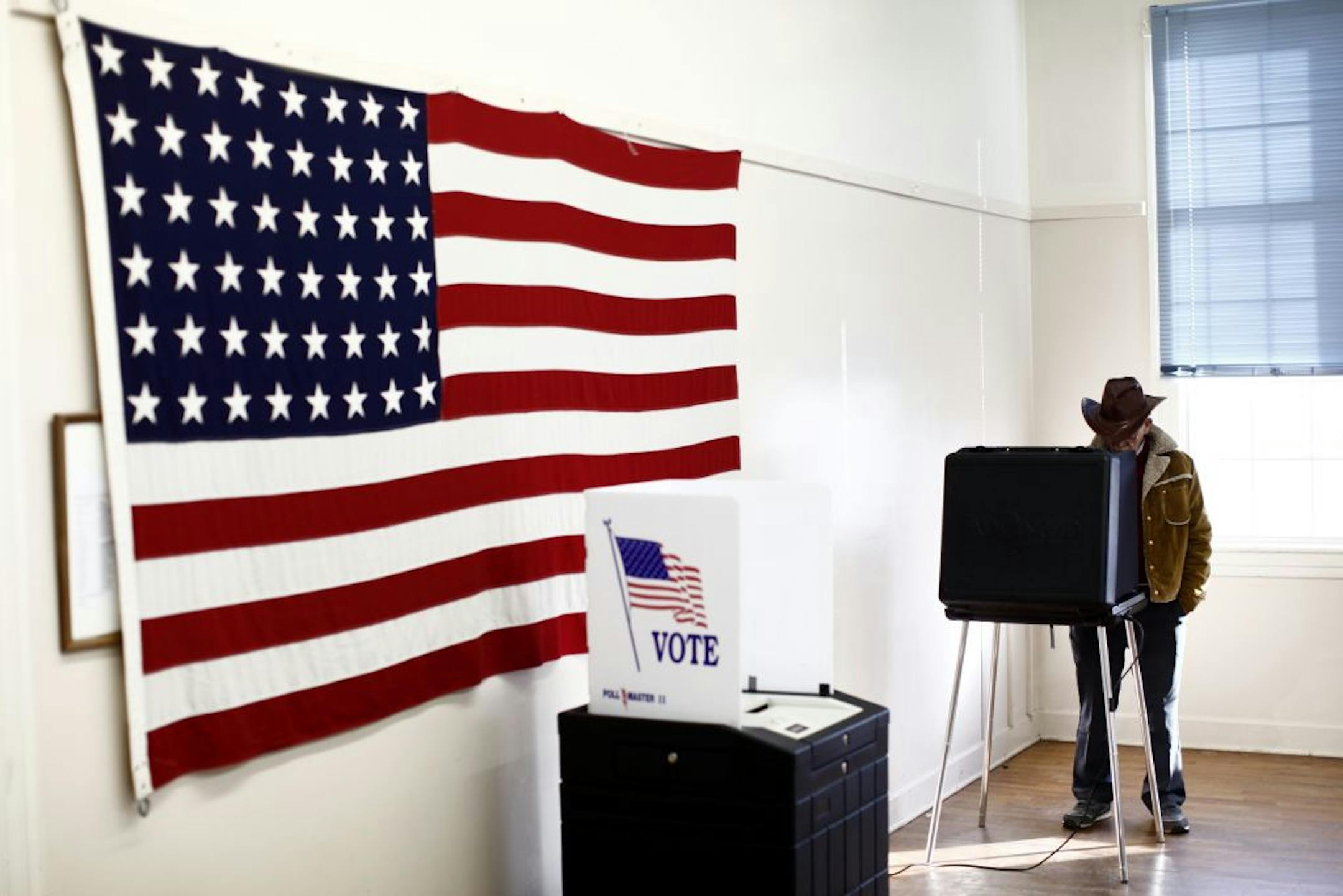
In the continuing and unnecessary debate over voter photo ID, GOP leaders acknowledge that electronic poll books would be a good supplement to the existing voting system, but they argue that such a tool must be used in tandem with their plan to change the state constitution to require photo IDs.
That makes little sense. Photo ID cards wouldn't be necessary if the state used laptop computers to provide already available identification information for use at polling places.
Such a system is preferable to the voting suppression effort that the GOP has orchestrated in the form of a constitutional amendment that appears headed to the November ballot. Republicans have moved a proposal that would have citizens vote on a state constitutional amendment that would require all voters to bring a government-issued ID to the polls.
Recommended by Secretary of State Mark Ritchie and other DFLers, the electronic poll books would bring drivers' licenses and ID photos that are already on file with the state into databases for use at each voting precinct.
That kind of system would make most voters easy to identify and could be set up to accept college IDs and take on-the-spot-photos when needed.
It would be a reasonable, economical system that citizens and politicians from both sides of the aisle could support.
Bipartisan agreement is especially important on voting rules. In the past, Minnesota governors from both parties have rejected photo ID plans because there wasn't adequate buy-in from both parties.
They shared the view of Gov. Mark Dayton: When it comes to the right to vote, laws should be crafted in a cooperative, bipartisan way that does not give an edge to one party or the other.


