

Let's play hockey -- finally.
The deal is yet to be sealed, and the details are not yet complete, but a tentative agreement between the National Hockey League and its players union should end the labor lockout that very nearly erased the entire season, just as the 2004-05 campaign was scrapped due to a similar squabble over money.
If, as expected, the new collective bargaining agreement is ratified this week, there will likely be a truncated 48- to 50-game regular season. That's well short of the usual 82-game marathon, but it would still result in Stanley Cup playoffs taking place well past ice-out even in Canada, hockey's heartland.
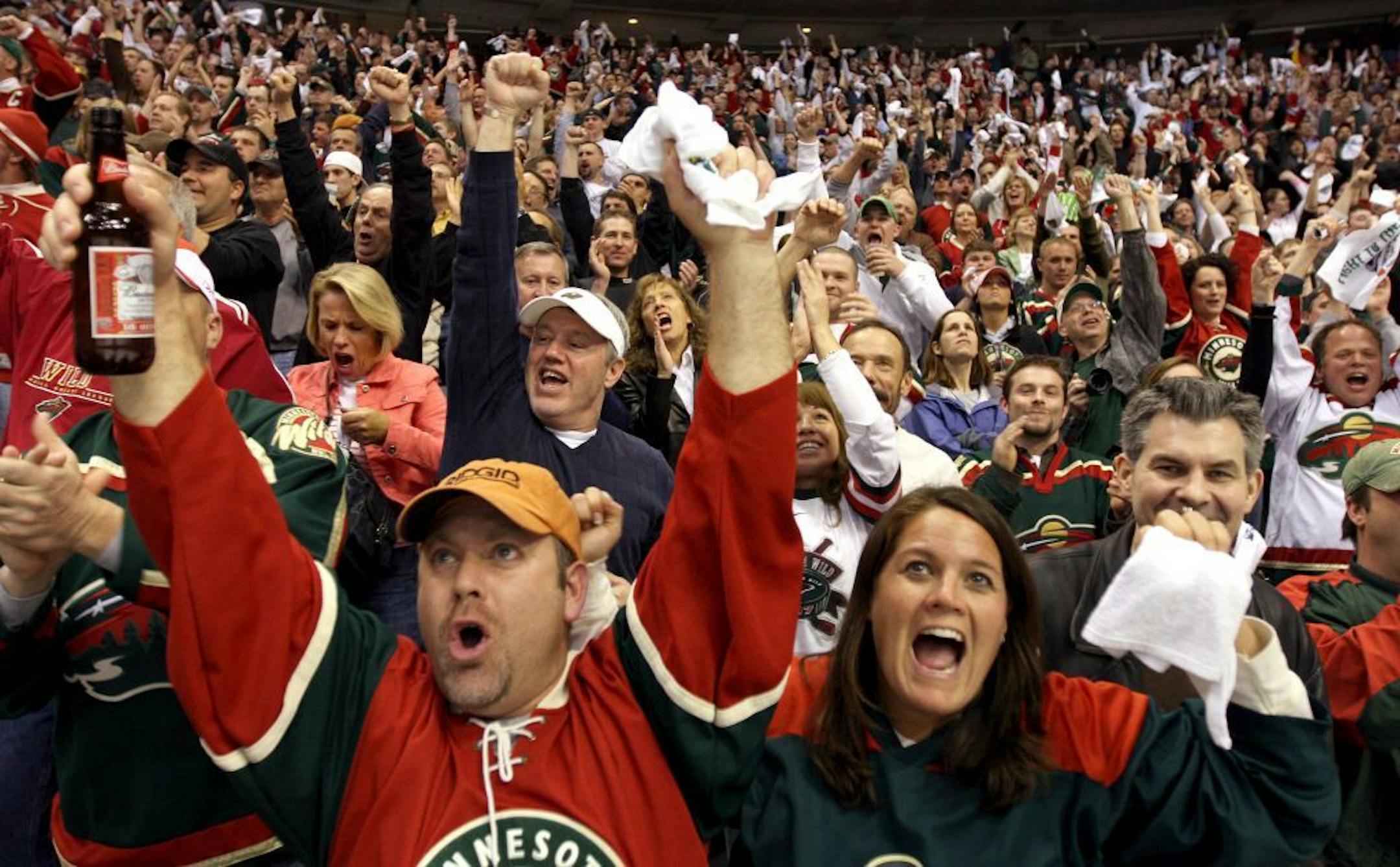
Here in the "State of Hockey," the resumption of play would be great news not just for fans of the hometown Minnesota Wild. The city of St. Paul and hard-hit businesses and employees -- including many who work for the Wild -- should finally begin to recover from steep setbacks resulting from canceled games.
It would also be great news for the Xcel Energy Center, the Wild's home arena. Xcel, like many NHL facilities, was built with considerable public financing -- a fact seemingly disregarded by both players and league officials as they fought over their respective slices of the record $3.3 billion the league reportedly took in last season.
Of course, not all will be cheering. Many former fans will understandably remain angry. Still others have already become apathetic, which should worry Wild players and management even more.
And who could blame anyone for being repulsed by the grotesque greed? After all, the lockout locked out fans, too, who once again were taken for granted. This may be especially so regarding hockey: The sport has a fan base known for its depth, not its breadth, and both sides may have been banking on this passionate cohort to coalesce without significant attrition once the labor dispute was settled.
That may be the case, particularly in Minnesota, Michigan, Massachusetts, across Canada and in other hockey hotbeds. But maybe not in Sun Belt cities, where hockey remains a harder sell. In fact, the struggle to attract fans in those cities may mean that the share of revenue the players and league fought over will shrink, and not just for this shortened season.


