

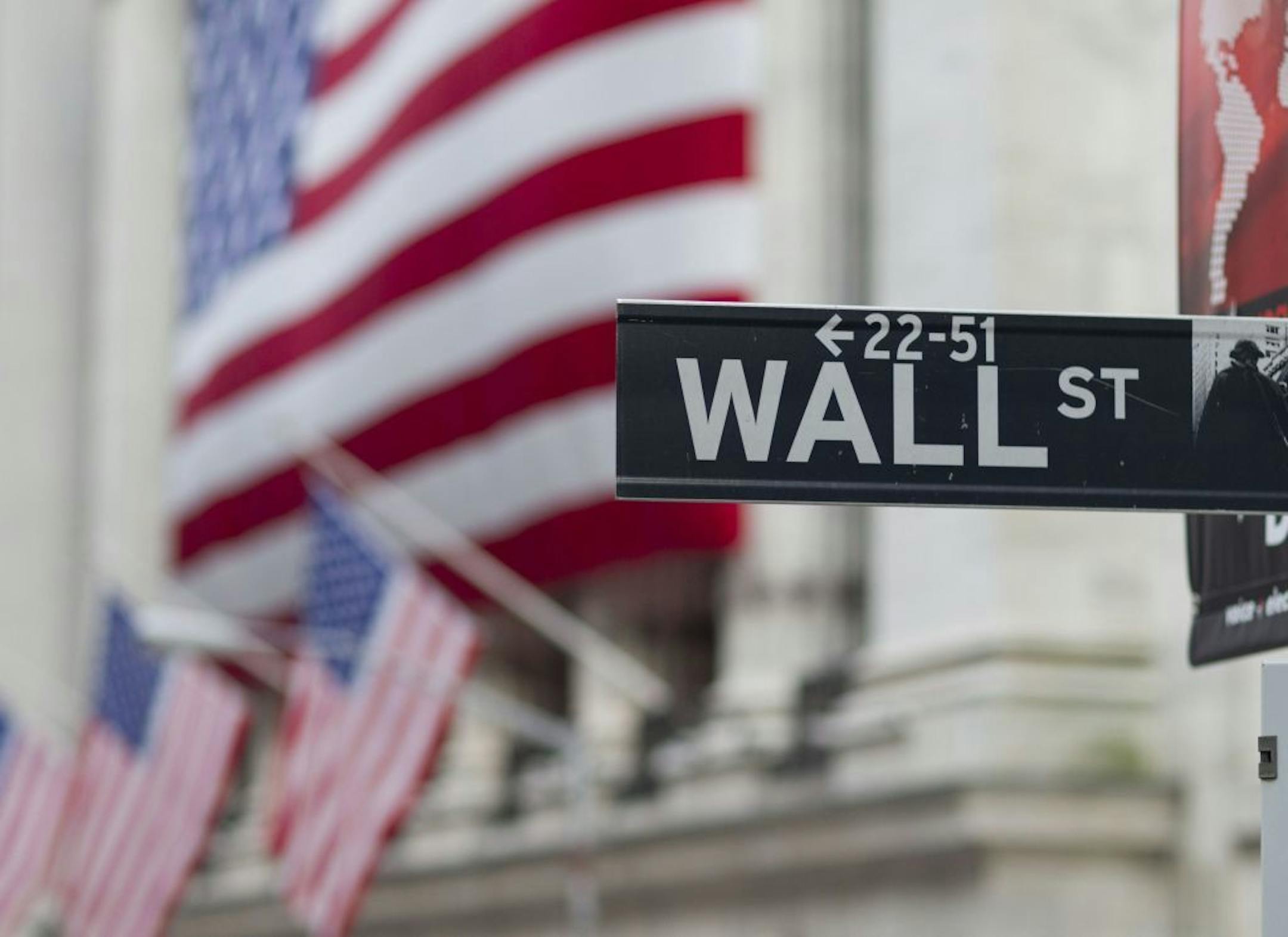
There was something hollow-sounding about President Obama's pronouncement Monday that America has "always been and will always be a triple-A country." Of course there is truth in what the president said -- but how sad that he felt the need to say it.
The often unhealthy relationship between Washington and Wall Street entered an unhappy new phase in recent weeks. The nation's capitol and Main Streets lost confidence in the financial industry after the subprime financial panic triggered a wearying and continuing economic slump.
But now it is clear that Wall Street's faith in Washington, and in the broader American economy, is also shaken, as evidenced by Standard & Poor's downgrade last week of U.S. government debt (from "triple-A" to AA+), and by weeks of painful stock price declines.
The U.S. market rallied Tuesday, and there is no sign of investors avoiding Treasury debt.
But the turmoil's message to policymakers of both parties could not be clearer or harder to dispute: U.S. economic policy is adrift, and without a sharp turn toward a dry-eyed, balanced plan to put it right, it is not at all clear that America "will always be" the invincible prosperity machine it has been in the past.
The most useless response to Wall Street's crisis of confidence is to denounce S&P's downgrade decision, kicking dirt on the umpire's shoes by citing the rating agency's failures during the subprime mortgage debacle and questioning its competence.
The logic here is elusive. It is the federal government's own continuing imprimatur that gives outsize clout to the opinions of the big ratings firms. And whatever S&P's many sins, they were mostly about being too generous, not too stingy, in giving AAA ratings.
Washington's debt-ceiling debate almost forced S&P's hand.


