

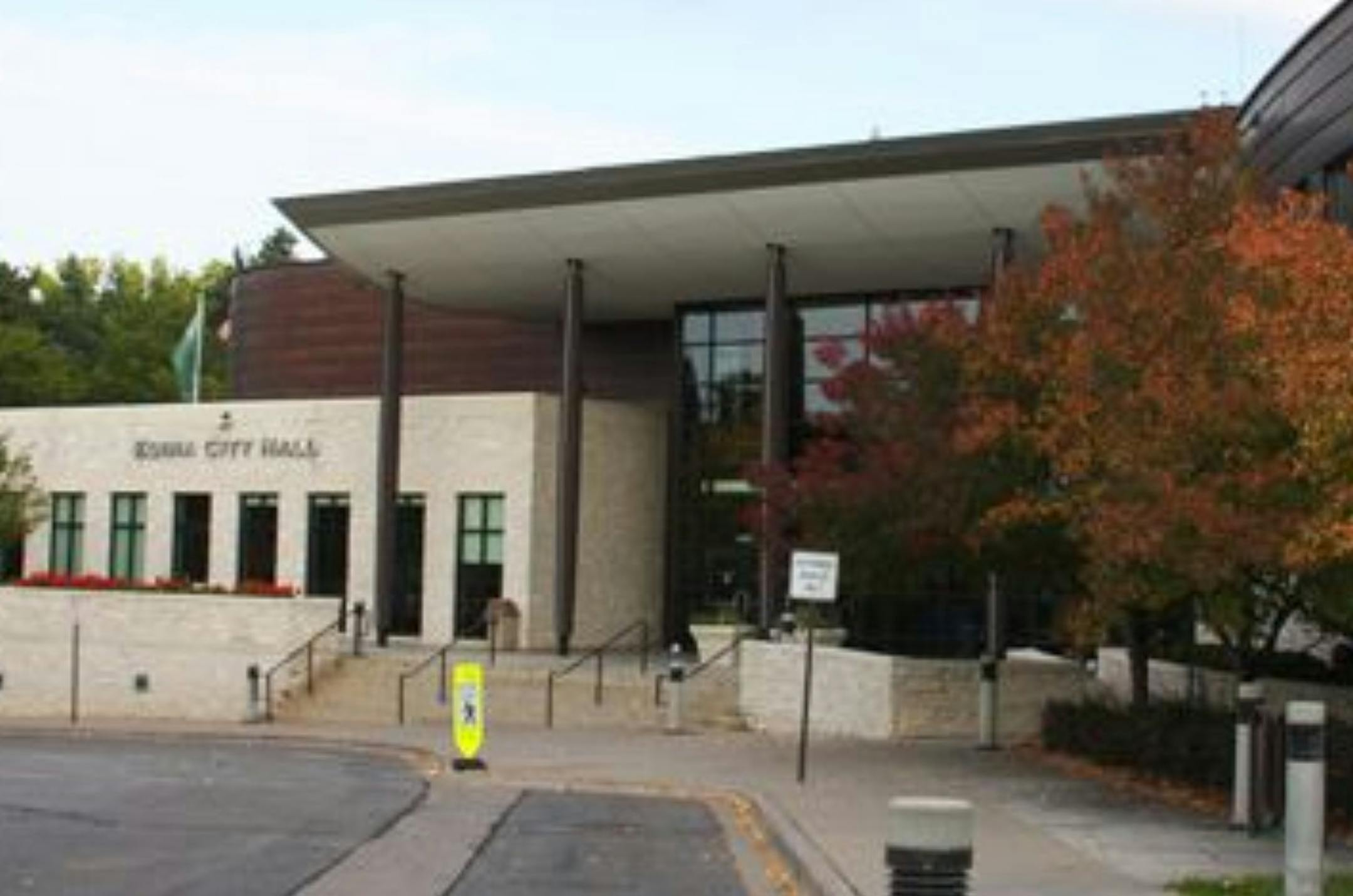
Edina city officials have developed a set of criteria to evaluate the diversity shown in city-owned artwork and decor in municipal buildings, parks and outdoor areas.
The criteria — what they call a rubric — evolved out of the city's 2018 task force report on race and equity and aims to provide a standardized way to judge how genders and ethnic groups are represented in art. The City Council signed off on it last month.
The task force report revealed that some community members felt the city's art and decor didn't represent all residents, said Heidi Lee, Edina's race and equity coordinator.
"To be able to represent who is actually living in Edina, who has had a hand in creating what Edina is … it's important to be able to do that," Lee said.
The criteria will be used in coming months to evaluate the decor in the mayor's conference room and atrium at City Hall. The conference room features portraits of past City Council members and mayors, but "needs to be a representation of the history of who [else] has been involved in creating what Edina is," Lee said.
Three city commissions were involved in designing the art criteria: the Human Rights and Relations Commission, Arts and Culture Commission and Heritage Preservation Commission (HPC).
They began meeting earlier this year to discuss what the city's art represents now and could represent, said Annie Schilling, HPC chairwoman. Commission members brainstormed ideas such as painting "Welcome" in several languages in the City Hall atrium and adding art to the mayor's conference room. She said there's been no conversation yet about using the rubric to eliminate artwork.
The rubric comes at a time when cities, counties and states are assessing what messages are sent by their statues, paintings and other images, and who they represent.


