

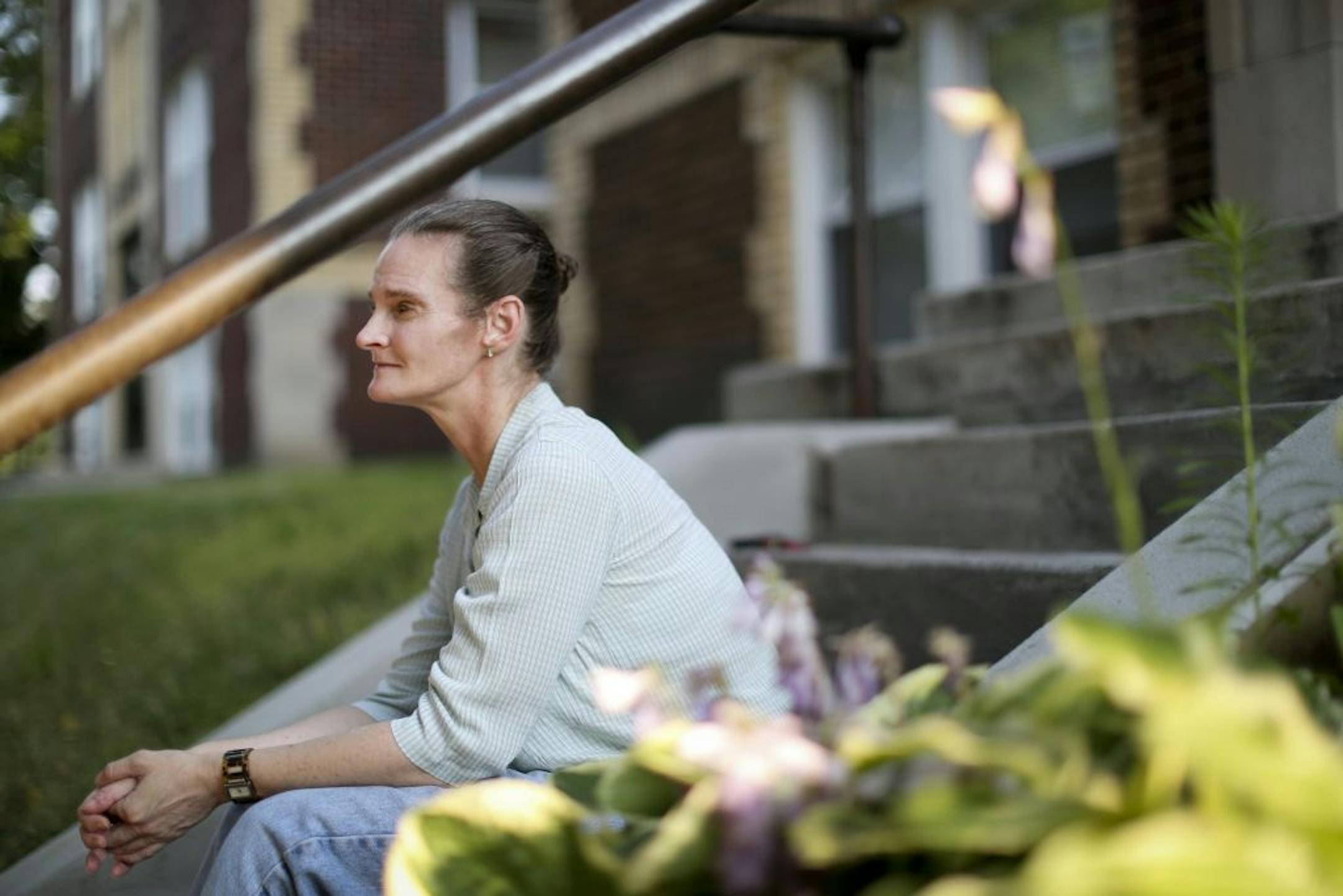
Molly Woolsey of St. Paul was 19 when her anorexia was diagnosed. She's struggled with it all her life.
Once she passed her 20s, Woolsey said, passersby assumed she had cancer or another terminal illness because she was so thin.
"It doesn't occur to them that someone my age could have an eating disorder," said Woolsey, now 45.
Anorexia, binge eating and bulimia are considered afflictions of teenage girls or women in their 20s. But increasingly, older women are admitting to eating disorder symptoms, which put them at higher risk for a wide range of health problems.
"Nine years ago, the mean age for anorexia nervosa was reported to be between 15 and 19 and the mean age for bulimia presentation was 23," said Cynthia Bulik, director of the University of North Carolina Eating Disorders Program. "Now, over half of the women presenting for treatment in our program are over the age of 30."
Bulik was the leader of a study published in the International Journal of Eating Disorders, which showed that more than 13 percent of women age 50 and older have reported eating disorder symptoms. Eight percent reported purging; nearly 4 percent binge eating. And 12 percent admitted to using unhealthful methods of dieting to lose weight, such as laxatives or diet pills.
Bulik said eating disorders in older women can primarily be traced to a culture that "doesn't allow us to look our age. Now that 70 is the new 50, women feel pressure to keep up their appearance."
Repeatedly engaging in bingeing weakens bodies young and old, but eating disorders exact greater punishments on women who may already be on the decline physically because of aging.


