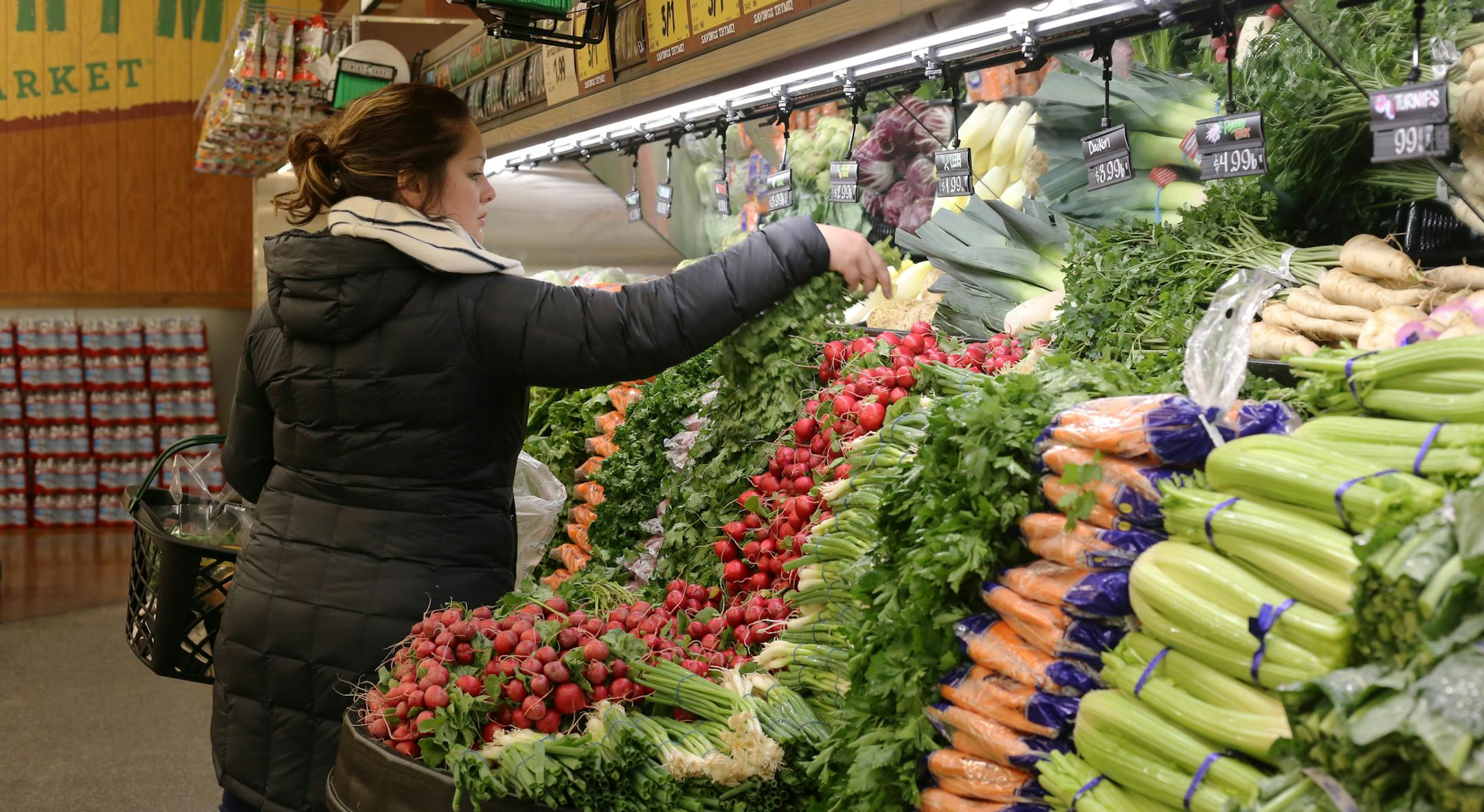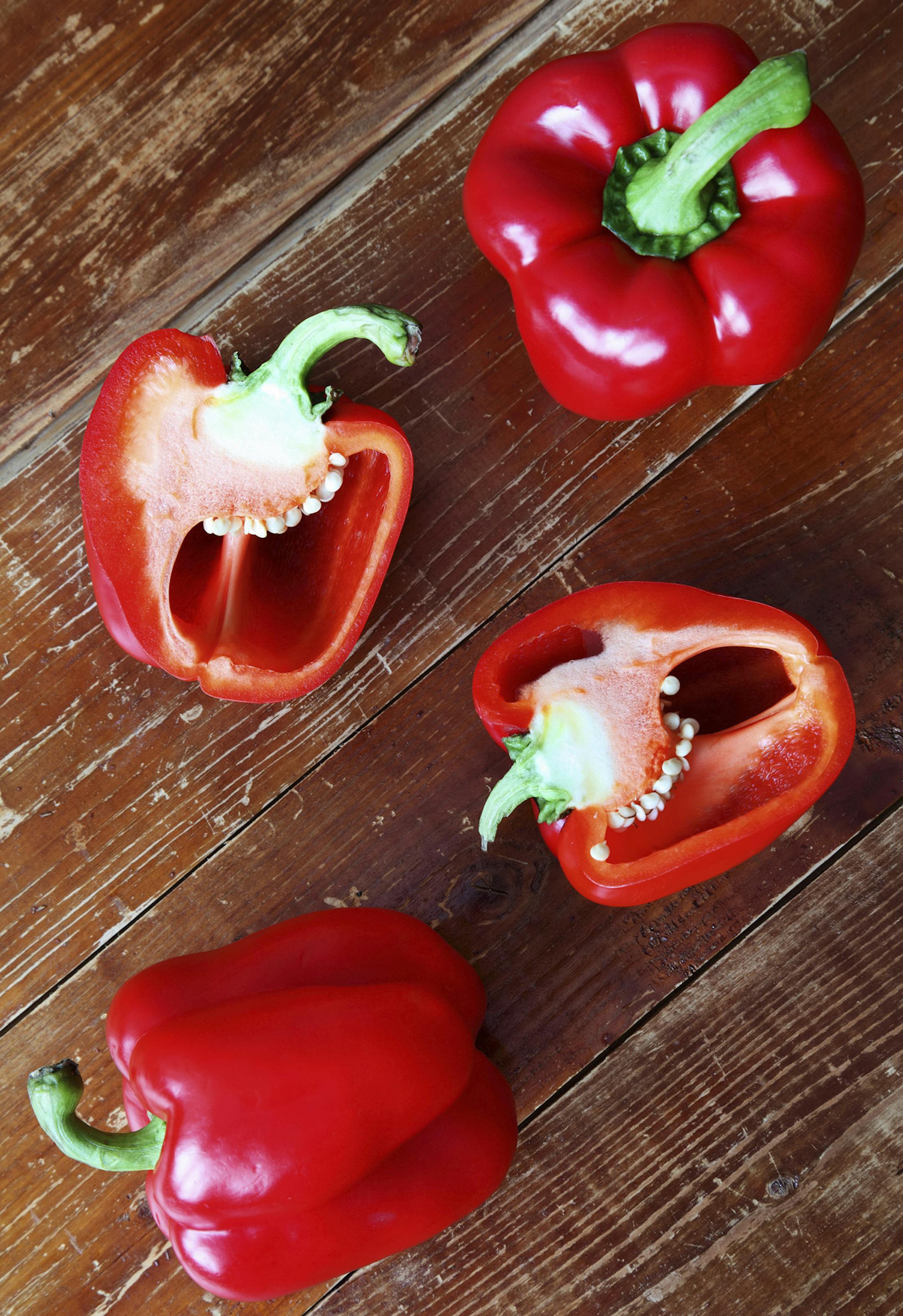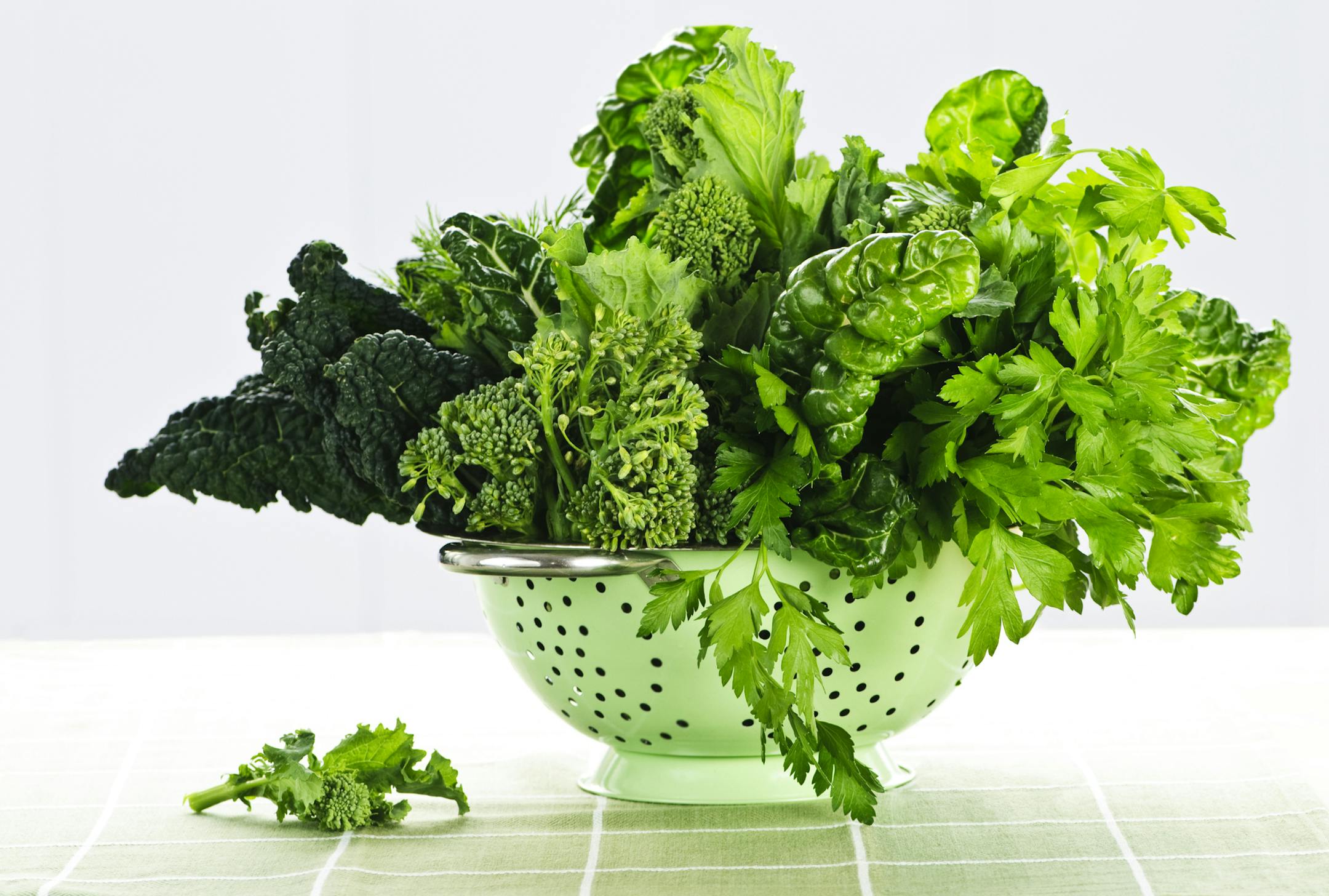
Instead of suffering through the latest fad diet, you can make one simple dietary change that will reap the greatest health benefits: Eat more vegetables.
Eating a variety of vegetables and fruits "can lower blood pressure, reduce risk of heart disease and stroke, prevent some types of cancer, lower risk of eye and digestive problems and have a positive effect upon blood sugar, which can help keep appetite in check," according to the Harvard School of Public Health.
Not everyone loves vegetables, though. So we've compiled a list of ways you can incorporate more of them into your diet every day.
Skip the prep work:
One of the biggest obstacles to eating vegetables is that they can be time-consuming to prepare. Luckily, food manufacturers are making it easier than ever to skip the prep work without compromising flavor or nutrition. Here are three ways you can use pre-prepped vegetables in your day-to-day cooking:
Buy pre-cut fresh vegetables for roasting or to use in stir-fries. Broccoli, carrots, cauliflower, stringless snap peas and Brussels sprouts often come pre-washed and cut. You can even find bagged mixtures of these staples in the produce section of some supermarkets.
For roasted vegetables, simply empty the contents of a bag into a large bowl and season with your favorite spices or seasonings and a little broth or oil, then roast in a baking dish or jelly roll pan at 400 degrees for 25 to 35 minutes (depending on size and type of vegetables).
For stir-fries, dump vegetables straight into a preheated wok or deep sauté pan.
Use frozen veggies for soups, stews and stir-fries. The concept is similar here, but the variety is even greater. The best news: Frozen vegetables often retain their flavor and nutrient content as well as (or even better than) fresh vegetables. That's because they are picked when ripe and frozen within hours, locking in the flavor and the nutrients. This can also be one of the most economical ways to add more vegetables to your diet.