

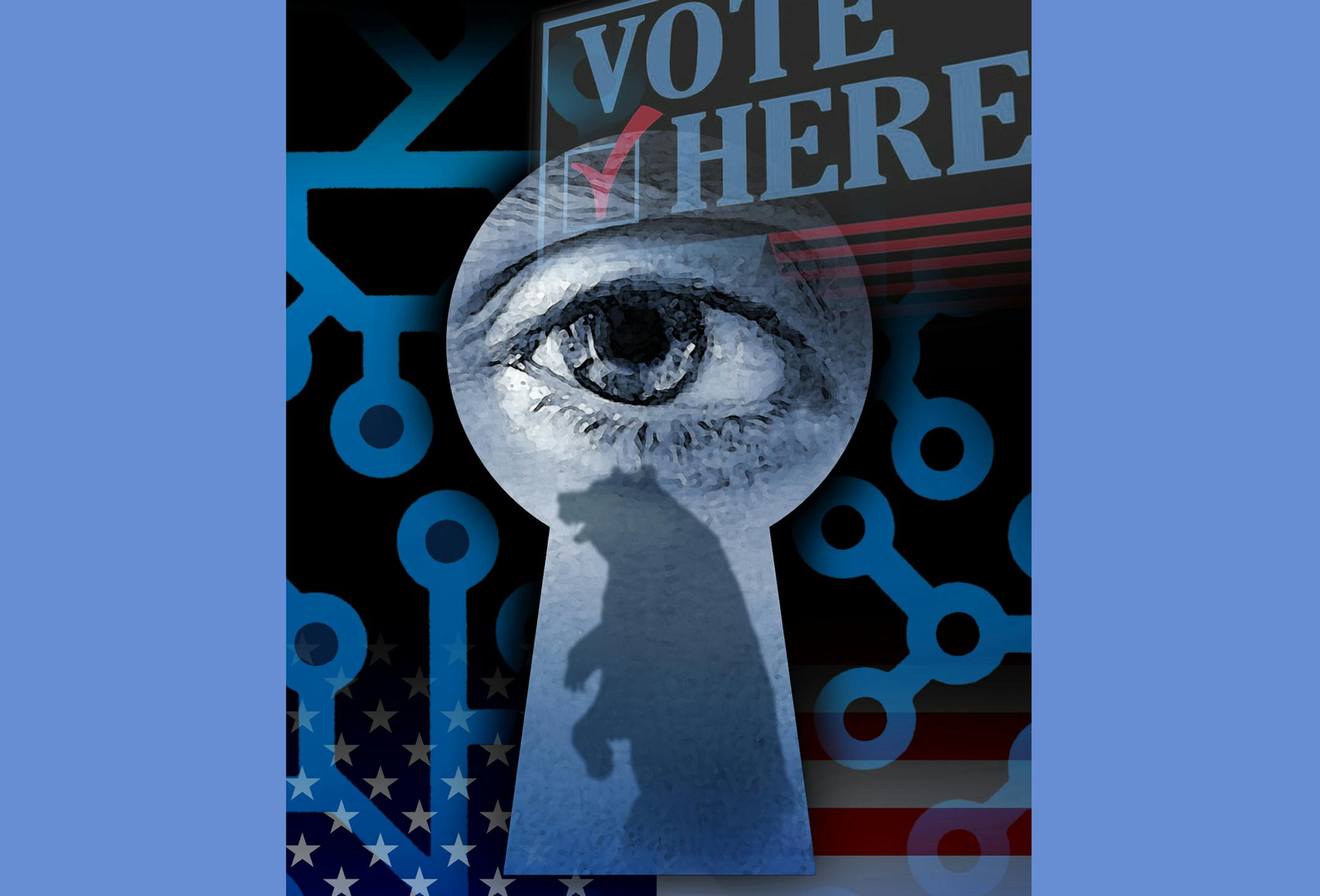
Russia was behind the cyberattacks meant to undermine the 2016 U.S. election. There's nothing fake about that news. It's as real as it gets. All that's left to determine now is what we do about it.
Getting to the bottom of exactly what happened is critical. On a recent trip to the Baltics, Ukraine and Georgia with Sen. John McCain, R-Ariz., we heard about websites being shut down and internet access limited after a Russian statue was moved in Estonia or members of the Ukrainian Parliament were invited to Lithuania. Ukraine itself has been targeted by Russian hackers more than 6,500 times in the past few months.
We heard similarly unsettling accounts at a hearing last month. This much is clear: Russia's attempt to influence the U.S. election wasn't its first time interfering with a democracy, and if we do nothing, it certainly won't be its last.
Our allies in Eastern Europe are literally on the front lines of this fight. So if the best defense is a good offense, a good offense starts with them. And that's why we must do everything we can to support them.
By imposing sanctions on Russia? Yes. By strengthening cybersecurity and providing material support? Yes. But also by strengthening our economic ties to these nations. Because Russia seeks to control not only the governments and elections of our allies. Russia also wants to control their economies.
Take the energy sector. Many countries in the region rely on Russian oil and natural gas to keep the lights on. Russia abuses this energy dependence by engaging in economic blackmail and price gouging. Efforts by countries like Lithuania to reduce reliance on Russian natural gas have been met with increased efforts by Russia to run a pipeline under the Baltic Sea.
And Russia's interference isn't limited to energy. In 2013, when Lithuania supported closer ties to the European Union, Russia targeted Lithuania's dairy sector with harmful trade sanctions, which cost exporters more than $3 million per day.
These Baltic nations do not want to rely on Russia. They want to be seen as European nations. But they have little choice. After the Brexit vote, these countries are wary of their economic futures.


