

A year ago, nearing the bottom of a lifetime of alcohol abuse, Tito Reyna checked himself into St. Joseph's Hospital in St. Paul after being jailed during a drunken episode.
Today, the chef's mind is on the tamales he needs to make for the holidays and his son's Christmas toy list, rather than the alcohol that fueled his past, and he credits a new program called Mobile SUDS (Substance Use Disorder Support) for providing help he never had before.
"To wake up in the morning and look in the mirror and say to yourself, 'You're doing good, you're doing good' — wow," the 48-year-old said.
SUDS was created one year ago by east metro health care leaders who recognized that the existing substance-abuse treatment system had a gap between the emergency supports of hospitals and detox centers, where patients wound up in a crisis, and the outpatient and residential recovery programs that have waiting lists. Patients often lacked immediate help at the crucial moments when they decided to ask for it.
SUDS consists of all-purpose counselors and peer support workers who help patients in recovery by talking with them on the phone when they have cravings, instructing them about insurance benefits, driving them to group recovery meetings, and meeting with them for regular check-ins in comfortable settings. Reyna likes to meet with the counselors near the fireplace at his favorite cafe in Stillwater.
The desire to overcome addiction can be transient, and treatment programs often miss that window before people abuse drugs or alcohol again, said Roger Meyer, project director of the East Metro Crisis Alliance, a group of health care leaders that seeks to address gaps in local health care.
"What we've created with this program is the persistence and presence, so that when they're ready, they don't have to wait," he said. Until now, he said, "they would have been left waiting for four weeks [for space in a treatment program]. That's a lot to ask."
Regions Hospital's charitable foundation offered $500,000 to test the program for two years, and St. Joseph's Hospital and the nonprofit Minnesota Recovery Connection provided the counseling staff and administration. Doctors and nurses in the east metro have been trained to refer any patients who express a desire to recover from addiction.
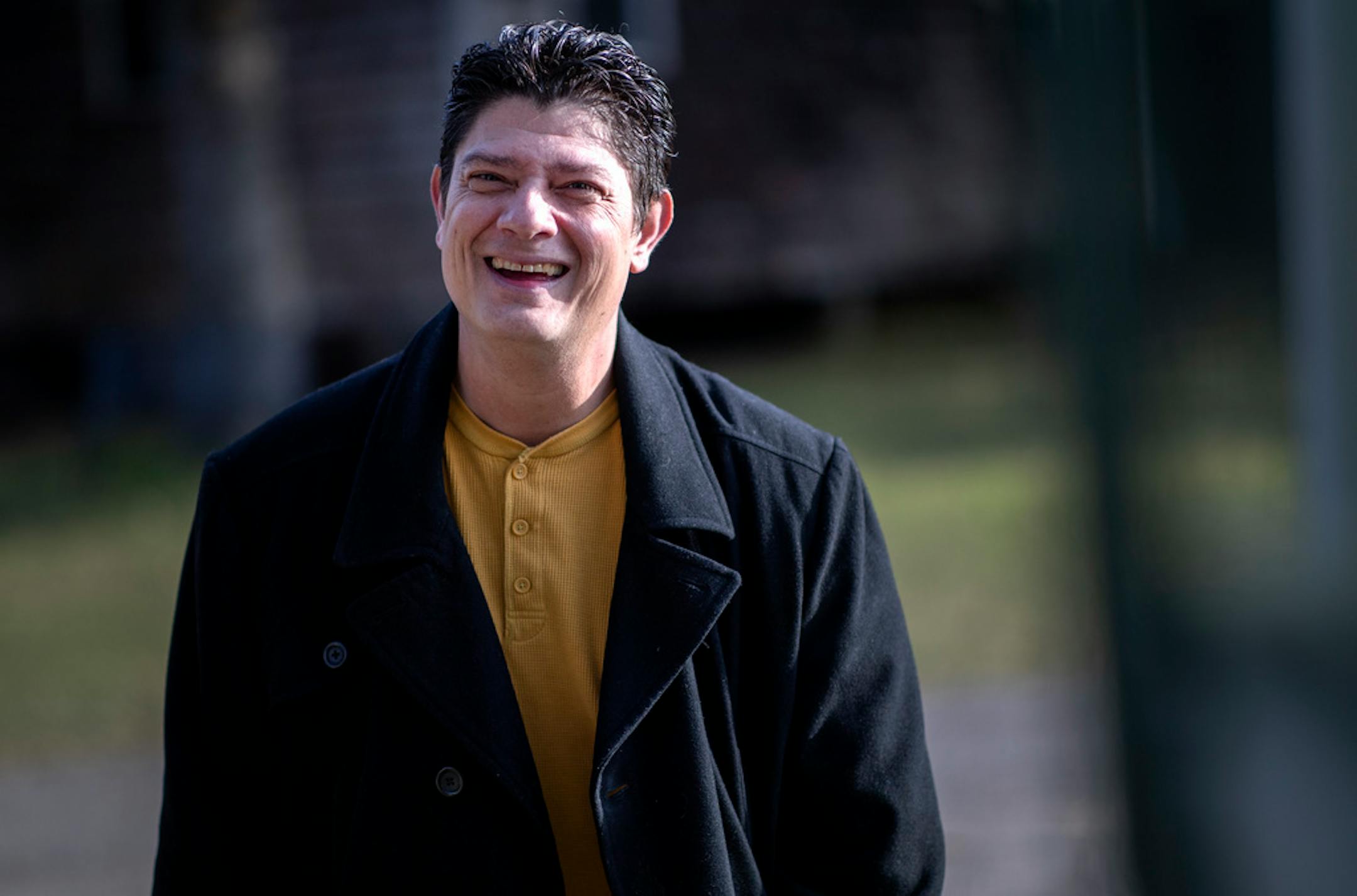
![Rachel, Frankie, 5, and Tito Reyna took a selfie at Aamodt's Apple Farm in Stillwater. ] CARLOS GONZALEZ • cgonzalez@startribune.com – Stillwater, MN – November 3, 2019, Aamodt's Apple Farm, Tito Reyna, 48, a chef from Stillwater, has benefitted from a new mobile crisis program for East Metro residents who have been hospitalized for substance abuse. For the first time in decades, Reyna is confident about recovery and enjoying his work as a catering chef and his time at home](https://arc.stimg.co/startribunemedia/OOLBYVVJW33UDD4CPJ4NBG3V3U.jpg?&w=1080)


