

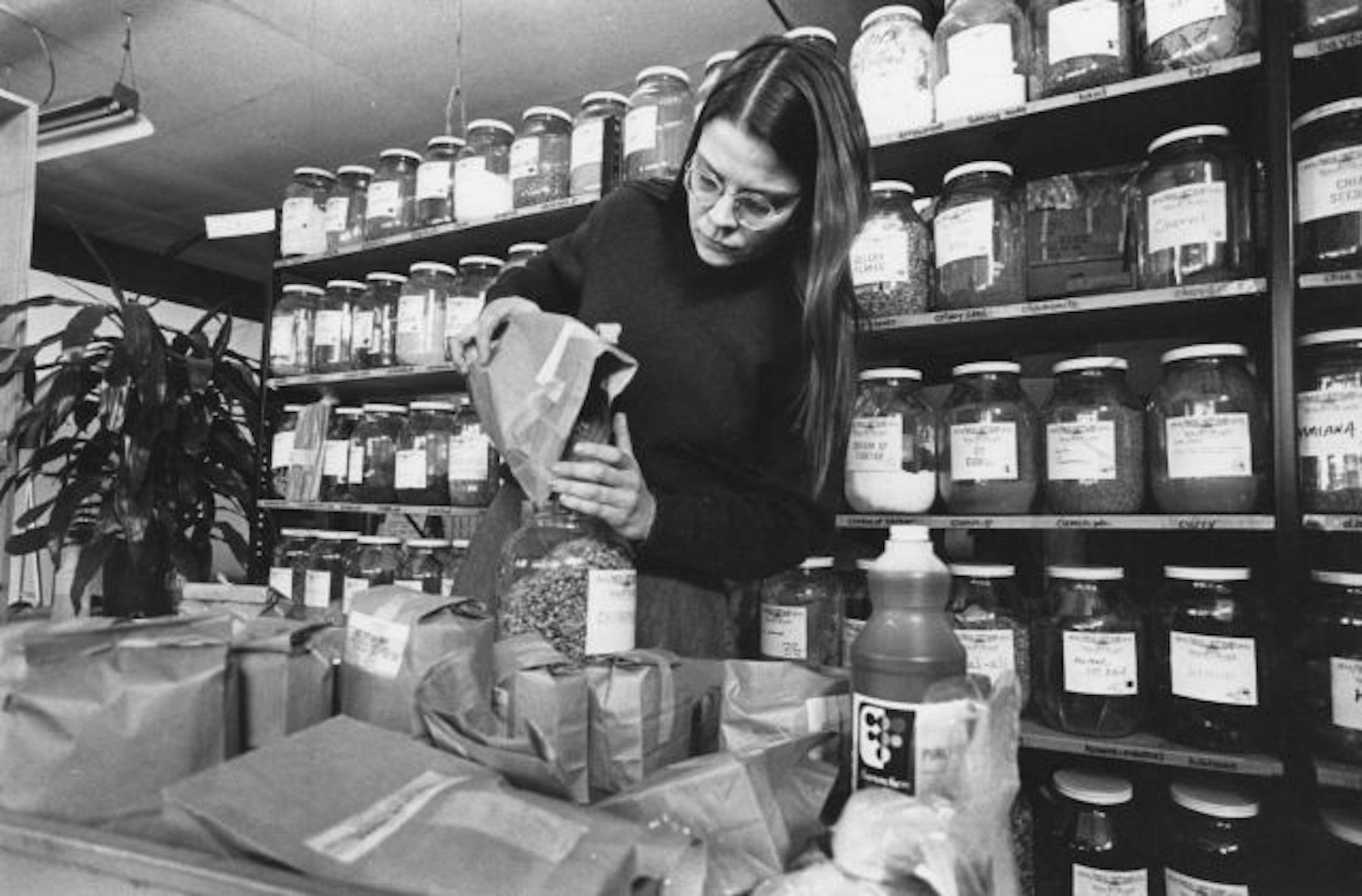
As Earth Day turns 40 today, it gets me thinking about all the wacky notions advocated by the long-haired, tie-dyed, wire-rimmed youthful hipsters of the early '70s. (Yes, I was among them.)
You know, those wild anarchists who read the Whole Earth Catalog and may as well have been called "nattering nabobs of negativism," to recycle a phrase from then Vice President Spiro Agnew. They not only thought that plenty was wrong with the world, but also believed fervently that they could make it right by encouraging a few small changes in our lives, such as eating brown rice.
We tend to think of Earth Day as a celebration of the three Rs (reduce-reuse-recycle). But many of the rallying cries of those '70s activists were food-related, from how we grew it to how we picked it, sold it and cooked it.
At the time, no one realized it was the beginning of a food revolution, since much of the action took place out of the public eye -- in kitchens and co-ops, at farms and farmers markets. There were no leaders and certainly no celebrities in those early days, just regular folks scooping up bulk foods and bringing their own reusable containers to stores in a modest effort to change the world. It truly was a "people's" revolution that occurred so quietly and completely that outrageous actions became mainstream in what seems to have been the blink of an eye.
Compare it with the self-proclaimed "Food Revolution" of today, with slick made-for-television productions by celebrity British chef Jamie Oliver and his predictable on-camera tears and hugs. Makes you wonder who will do the real work of creating change once the cameras are off.
So what were those too-crazy-to-consider, brazen ideas offered forth as Earth Day rolled around for the first time in 1970?
• Eat less meat.
"But we need meat," said the critics.


