Early Christmas cards reached across the miles to Stillwater

Early Christmas postcards, gifts in vivid color, reached across the miles. Families in Stillwater and Scandia saved many of them.

December 20, 2014 at 4:38AM
Many early Christmas postcards combined children and peace.
Many early Christmas postcards combined children and peace. (The Minnesota Star Tribune)

Christmas looms in Stillwater and an elaborate postcard arrives in the mailbox. It's 1910.

"Receiving any mail, besides bills, was a great thing at that time," said Brent Peterson of the Washington County Historical Society. "They would hang on every word."

And so, to a city full of Victorian mansions and "lumberman houses," came holiday greetings via exquisite "penny postcards," gifts unto themselves. Many came from the old country — Germany and Sweden and other European countries — from extended families of Washington County residents.

"A lot of the people at that time may have been first-generation immigrants from Europe," Peterson said. "They really put a lot into Christmas, more than we do today."

Christmas in Stillwater, Scandia and Marine on St. Croix meant holiday parties, home decorations, simple handmade presents — and great expectations over receiving those cherished postcards.

Many of the postcards in the Historical Society collection were mailed to Myrna Lammers of Stillwater in the pre-World War I era. Others arrived at the home of the Engquist family in Scandia.

Printing was done in inks of deep colors, often in embossed (raised) images that gave postcards a gift-like quality. Messages written on the back, often in pencil, expressed heartfelt but simple messages and sometimes ended with practical salutations such as "Good Bye." No gushing from senders was required because the postcard's special quality spoke for itself.

Christmas postcards became popular around 1900, Peterson said, and often depicted a "modern" Santa Claus who wore red instead of blue and dispensed goodwill as well as toys.
Thomas Nast, an artist for Harper's Weekly, drew Santa Claus as we know the mythical figure today. He also invented the "naughty or nice" back story that allowed generations of parents to keep their children's behavior in line as Christmas approached.

"It was Nast who made him a jolly old soul," Peterson said.

Many other traditional postcards showed Christmas as a time of peace and reflection, much as today. And those family treasures, stored away as meaningful reminders of family and friends, remain vivid reminders of Washington County history.

"They're a tangible thing you can hold and see, that bring you back to life 100 years before texts and e-mails," Peterson said. "They're a great part of our past. They really tell a story."

Kevin Giles • 651-925-5037


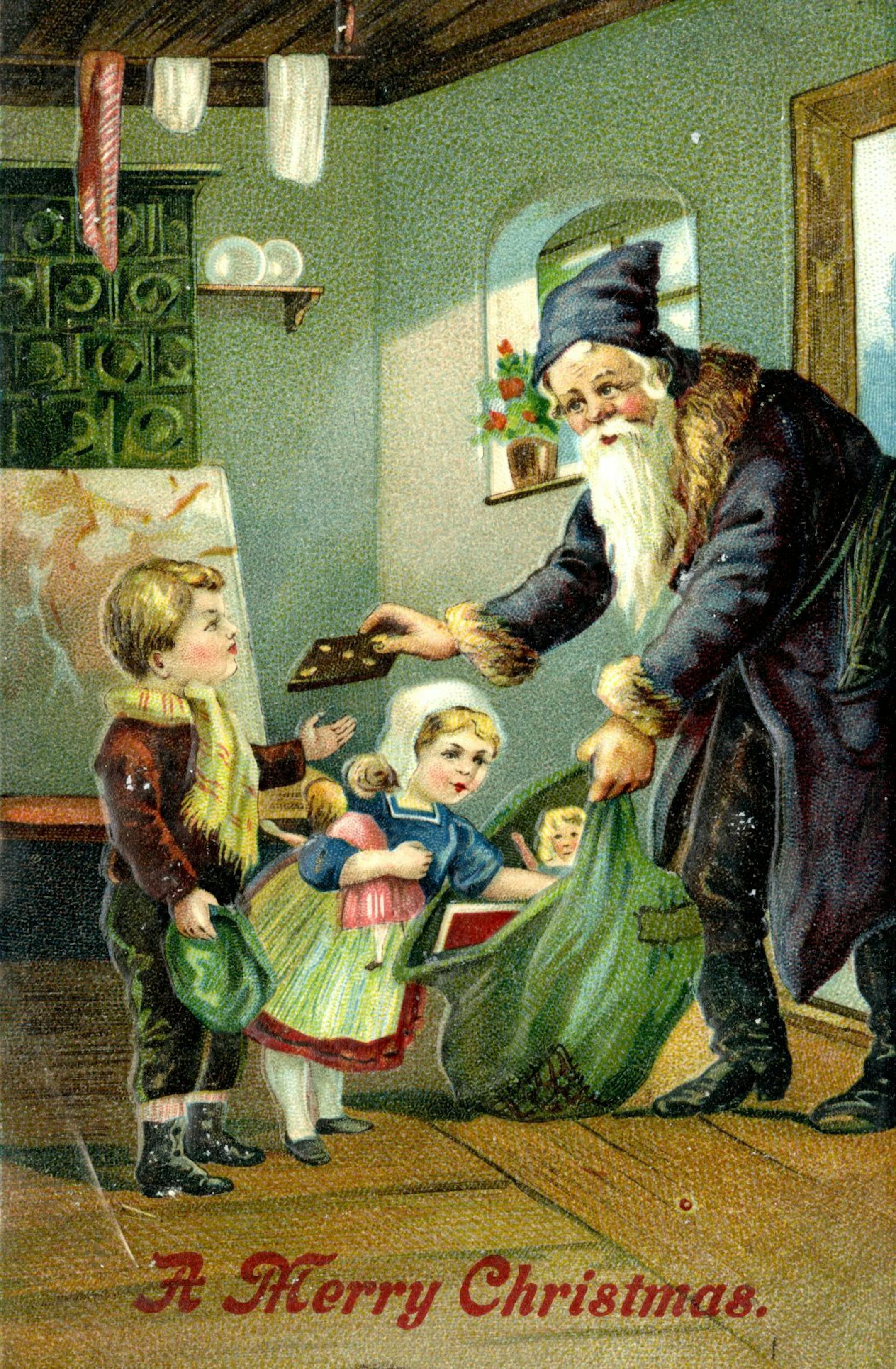
The early depictions of Santa Claus showed him dressed in blue.
Earlier depictions of Santa Claus showed him dressed in blue. (The Minnesota Star Tribune)
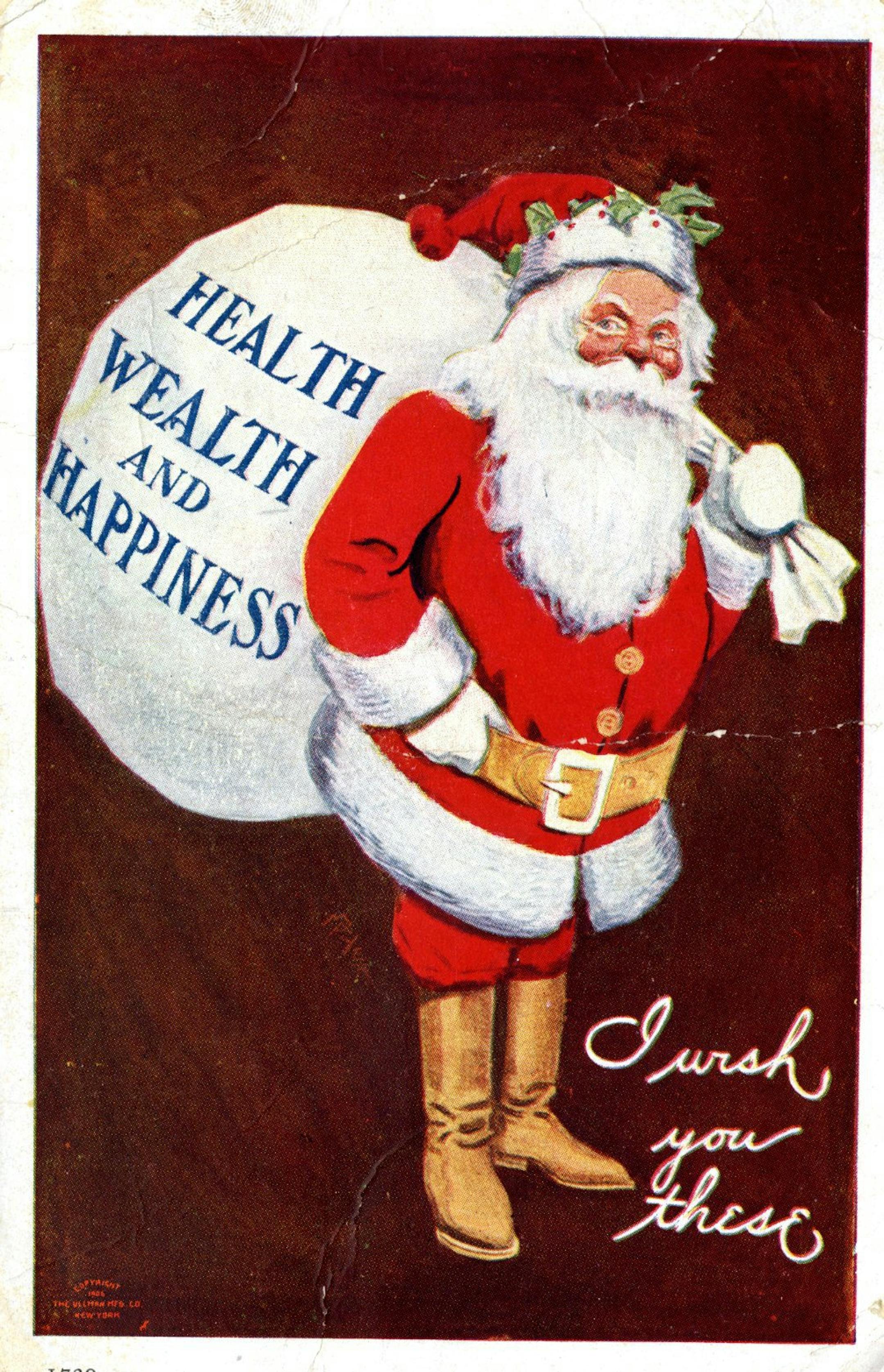
Thomas Nast, the famous 1800s caricaturist, put Santa Claus in a red fur-lined suit, delivering Christmas toys from the North Pole.
Thomas Nast, the famous caricaturist, put Santa Claus in a red fur-lined suit. (The Minnesota Star Tribune)
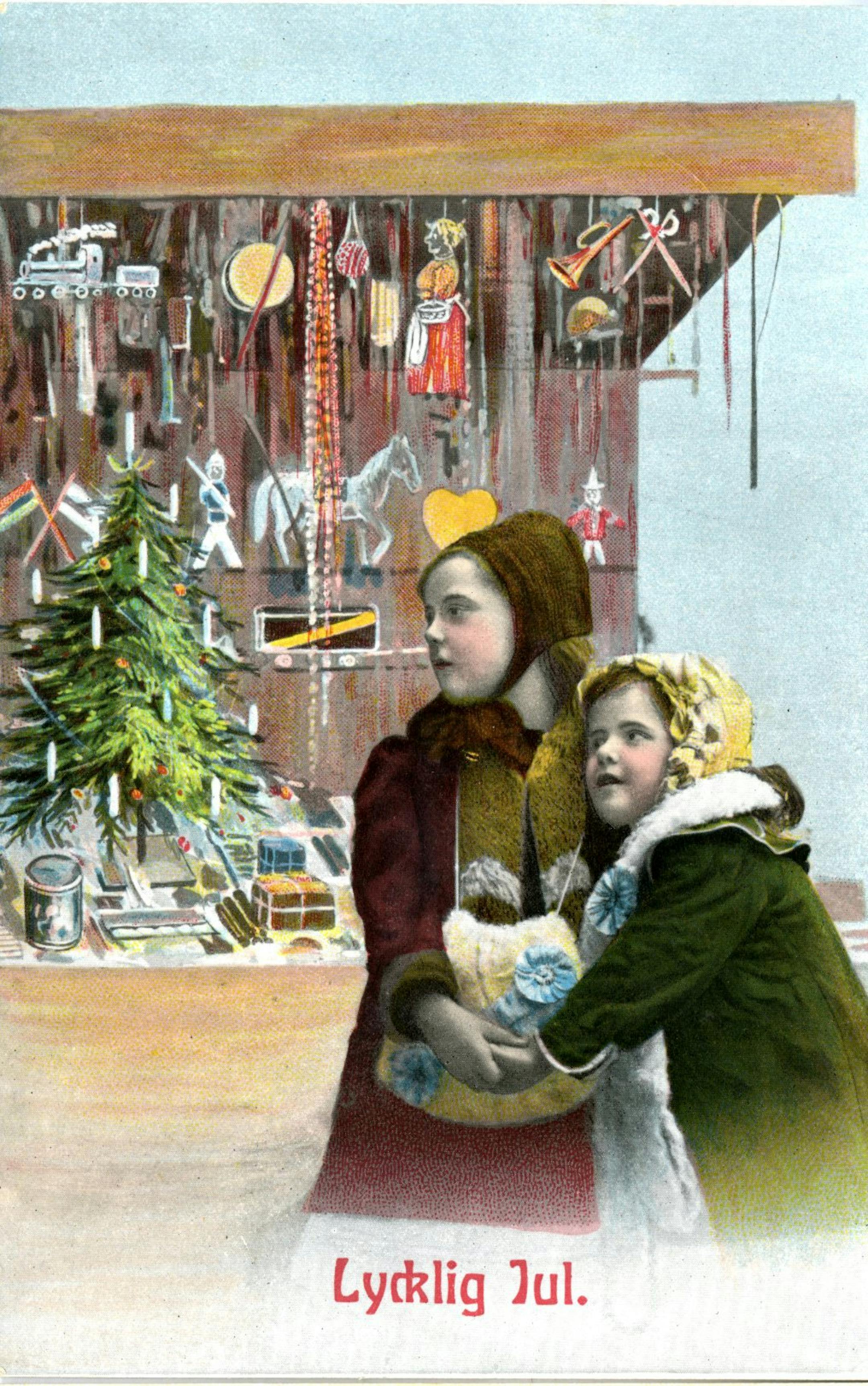
Lycklig Jul in Swedish meant "Happy Christmas."
Lycklig Jul in Swedish meant “Happy Christmas.” (The Minnesota Star Tribune)
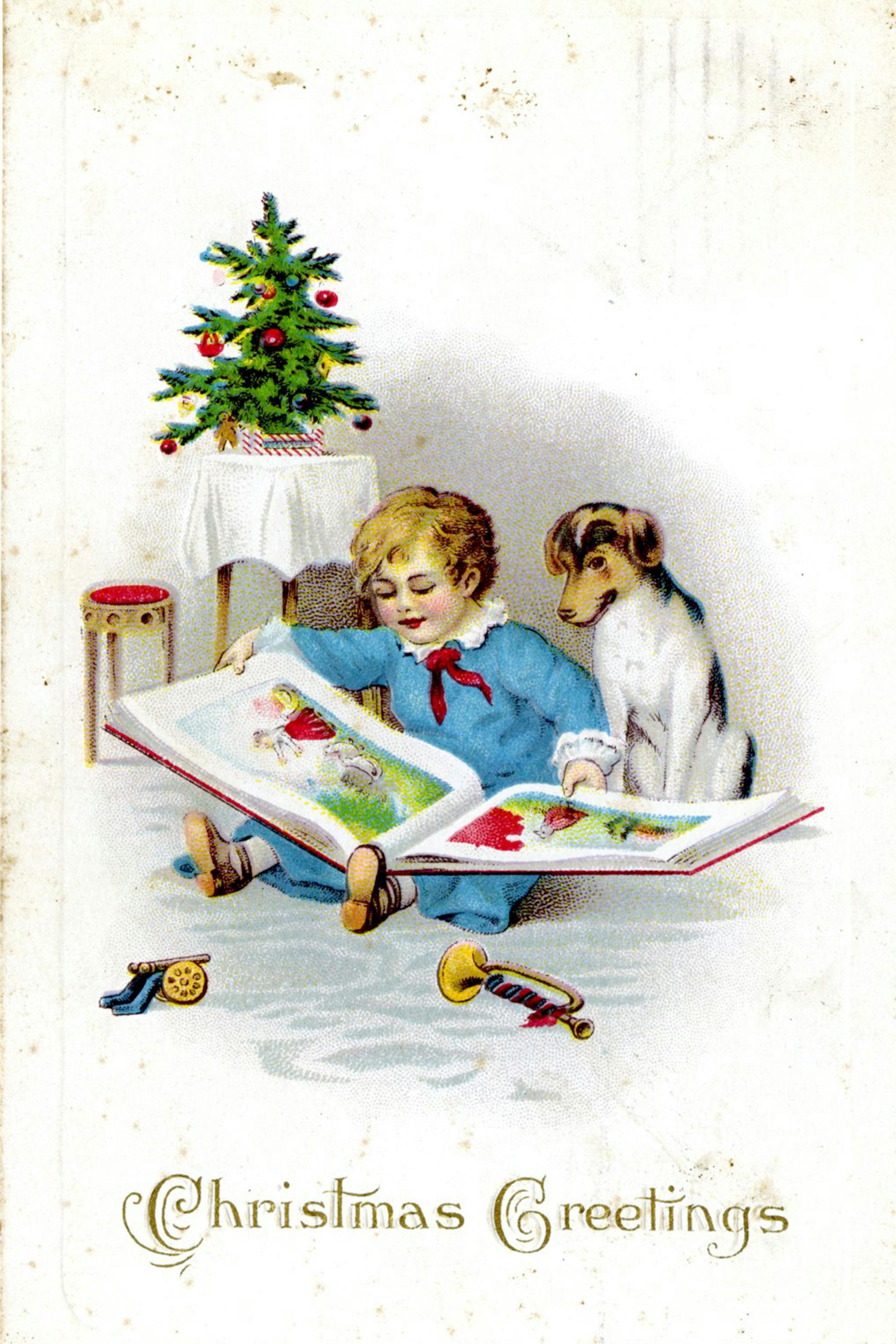
The wonder of a boy and his dog at Christmas has an European setting, as the tabletop tree suggests. Washington County Historical Society
The wonder of a boy and his dog at Christmas has a European setting, as the tabletop tree suggests. (The Minnesota Star Tribune)
about the writer

about the writer

Kevin Giles, Star Tribune

More from No Section

See More
FILE -- A rent deposit slot at an apartment complex in Tucker, Ga., on July 21, 2020. As an eviction crisis has seemed increasingly likely this summer, everyone in the housing market has made the same plea to Washington: Send money — lots of it — that would keep renters in their homes and landlords afloat. (Melissa Golden/The New York Times) ORG XMIT: XNYT58
Melissa Golden/The New York Times

It’s too soon to tell how much the immigration crackdown is to blame.