

For the next three weeks, the integrity of American democracy is in the hands of people like Norman D. Shinkle, a proud Michigander who has, until recently, served in relative obscurity on the state board that certifies vote results.
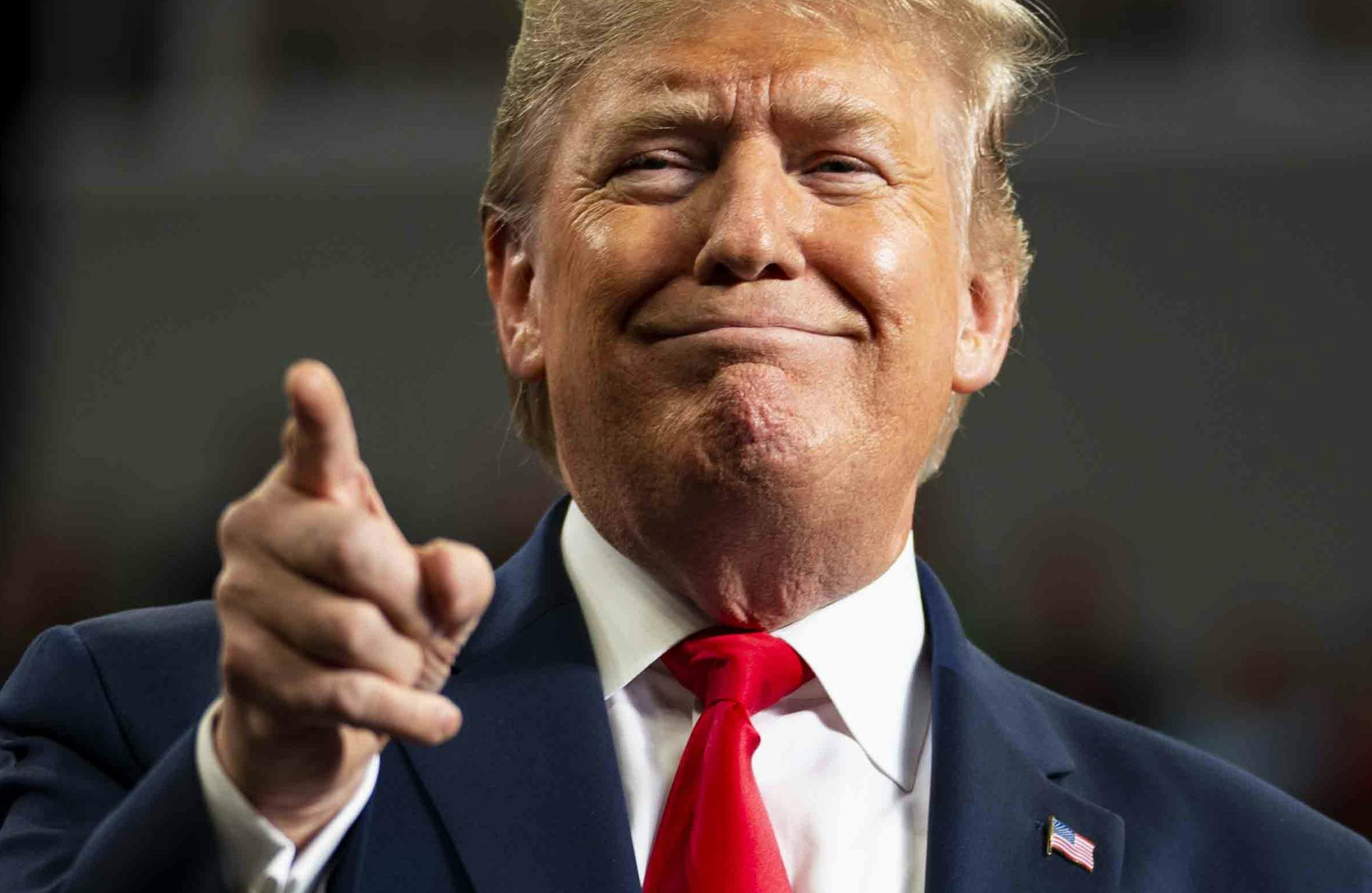
But now Shinkle faces a choice born from the national election turmoil created by President Donald Trump, his preferred candidate, for whom he sang the national anthem at a campaign rally in Lansing, Michigan, last month.
Shinkle's duty, as one of two Republicans on the four-member board, is to validate the will of Michigan voters and certify President-elect Joe Biden's victory before the Electoral College vote on Dec. 14. Yet Shinkle is weighing whether to block certification at a board meeting scheduled for Monday, because of minor glitches that Trump and his allies have baselessly cast as evidence of widespread, election-invalidating fraud.
He said he had received hundreds of phone calls, emails and text messages from people for or against certifying. "You can't make up your mind before you get all the facts," he said.
That Shinkle is equivocating over a once-routine step in the process — despite all 83 state counties submitting certified results and Biden leading by 154,000 votes — shows the damage inflicted by Trump on the American voting process and the faith that people in both parties have historically shared in the outcome of elections.
But this is also a moment of truth for the Republican Party: The country is on a knife's edge, with GOP officials from state capitols to Congress choosing between the will of voters and the will of one man. In pushing his false claims to the limits, cowing Republicans into acquiescence or silence, and driving officials like Shinkle to nervous indecision, Trump has revealed the fragility of the electoral system — and shaken it.
At this point, the president's impact is not so much about overturning the election — both parties agree he has no real chance of doing that — but infusing the democratic process with so much mistrust and confusion that it ceases to function as it should.
Under an unending barrage of fraud charges, voters might begin to question the legitimacy of elected officials from the rival party as a matter of course. And the GOP risks being seen as standing for disenfranchisement and the undemocratic position that a high level of voting is somehow detrimental.


