

Opinion editor’s note: Strib Voices publishes a mix of guest commentaries online and in print each day. To contribute, click here.
•••
Duluth has always been treated like a regional outpost regarding medical education, a strong hospital town that feeds into the University of Minnesota’s training pipelines but never controls them.
The state’s doctors are mostly minted in Minneapolis, where Fairview Health Services has long bankrolled the U’s teaching hospital with a $100 million annual subsidy. About 70% of physicians across Minnesota learned their craft through the U’s medical school or residencies. The power, the money and the decisionmaking live in the metro. For decades, Duluth has played its part but stayed in the shadows.
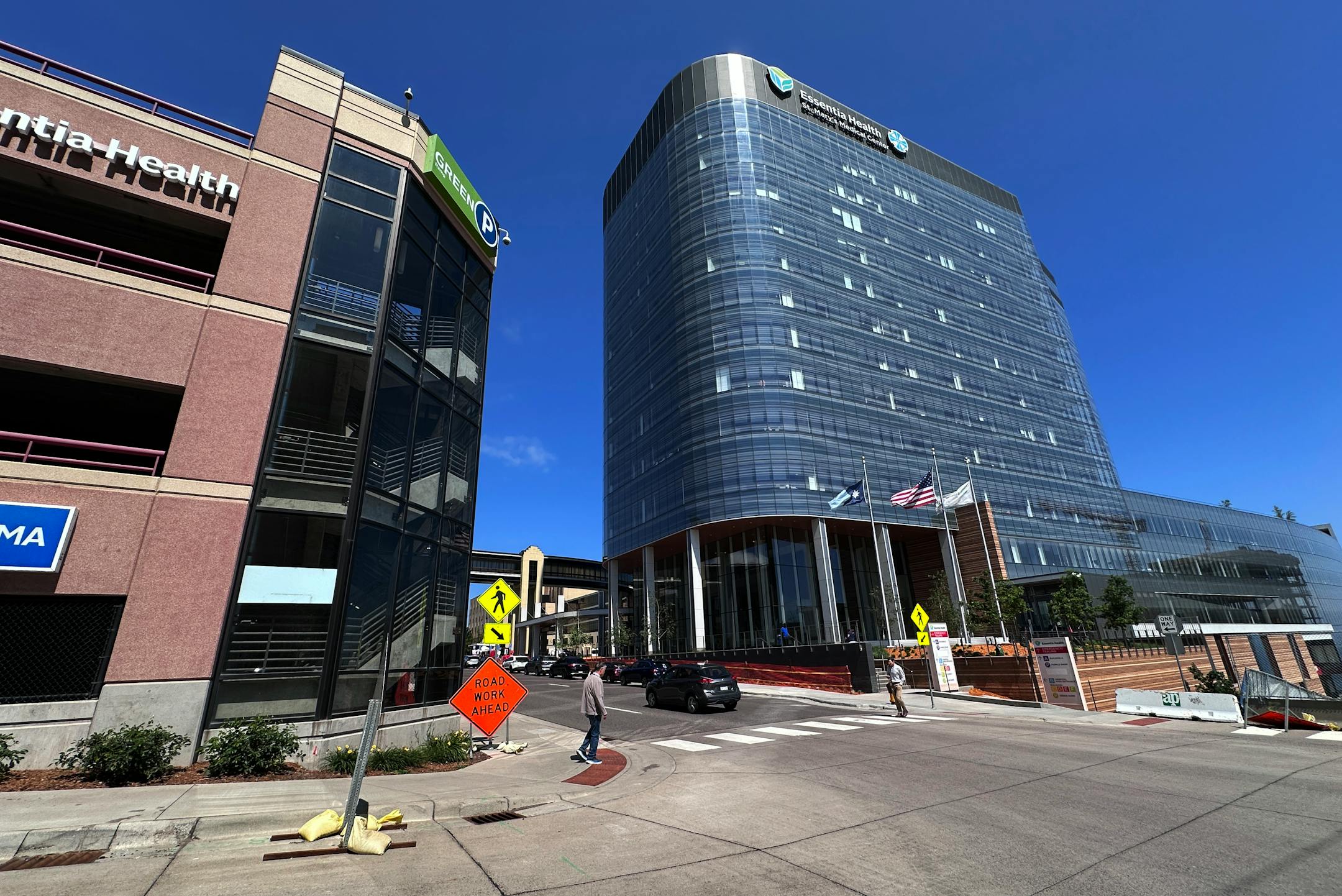
Now, with the collapse of talks between Essentia Health, the U and Fairview (front page, Sept. 26), the script is starting to flip. For once, Duluth has a chance to seize the initiative. The U’s deal with Fairview expires in 2026, and nobody can say with certainty where that partnership goes from here. Essentia has already set aside land on its medical campus for a new building, not for another routine expansion but for something bigger. The writing is on the wall: It’s prepared to host an actual teaching and research center in Duluth if the door cracks open.
The opportunity couldn’t be clearer. Fairview’s reluctance to merge under an Essentia-led structure pushed Duluth’s system to the sidelines, but that doesn’t mean Essentia has walked away from academic medicine. Far from it.
Its public statements have made it plain — it still wants to work with the U, it still wants to shape the future of Minnesota’s health care workforce, and it still believes greater Minnesota deserves a bigger voice. This isn’t about boardroom egos or legal contracts; it’s about geography, vision and leverage. Essentia controls the land, Duluth holds the ambition and the university has the need. That’s a recipe for a shift in statewide balance if anyone can act on it.
The upside for Duluth is enormous. Imagine local students from UMD, St. Scholastica and Lake Superior College walking across the street into a state-of-the-art training facility. Imagine medical residents setting down roots here instead of heading south. Imagine the city adding “academic medicine” to its list of economic pillars, right alongside tourism, shipping and higher education.


