How many animals does it take to make a zoo?
Leaders in Duluth are considering that, as they prepare to decide the future of what will likely be at least a scaled-back Lake Superior Zoo on the west side of town.
The city-owned zoo will need upgrades to keep up with changing accreditation standards set by the Association of Zoos and Aquariums, which promotes naturalistic habitat and behavior-stimulating activities to give animals better lives and make visits more educational.
The price tag to do that, under two different proposals, is $12 million to $16 million in capital costs, along with estimated yearly costs of $380,000 to $510,000, said Jim Filby Williams, the city's director of public administration. The city now spends about $670,000 a year to subsidize operations. Still, the zoo is expected to operate in the red for 2015.
A third option, which would keep some animals but would transform part of the approximately 17-acre zoo into a park for public use, is still in the planning stages. It doesn't yet have an associated price tag, though Williams said it will likely be less than $12 million and require lower annual costs. Leaders will present it to the city's Parks and Recreation Commission at a special meeting on June 4.
All three options will likely involve scaling back the animal exhibits in at least some form, with the first two still featuring a traditional zoo, and the third involving something less than a zoo, Williams said.
"We're not at all just shrinking the zoo footprint solely to reduce costs, but also to increase access to and through this exceptionally beautiful and important green space," he said. New plans would bring greater public benefit, including trails through the hillside space.
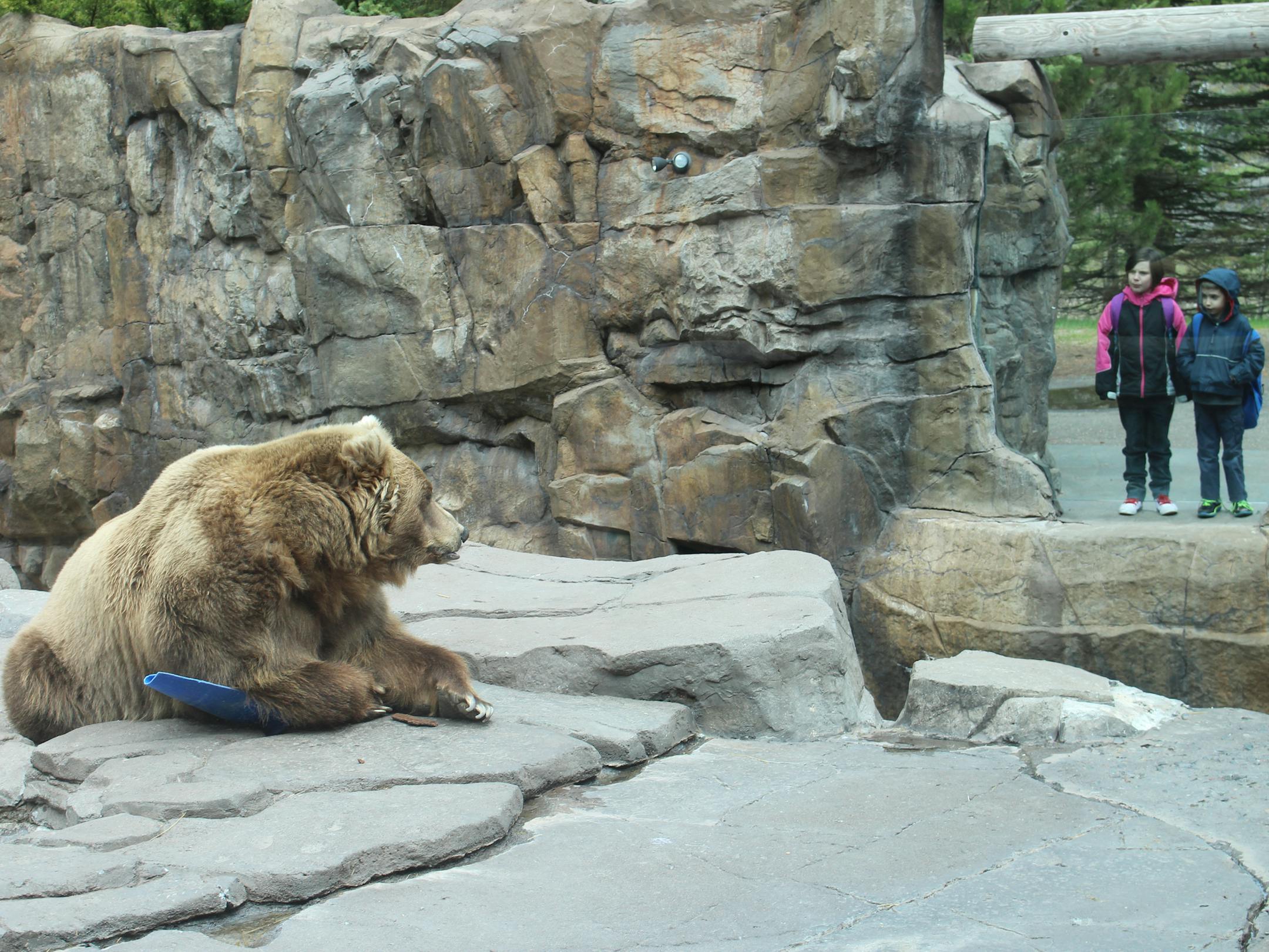
While the two zoo proposals are modest by modern standards — some small cites have invested $20 million for single exhibits — it's still considered a hefty cost among Duluth city administrators. Both would involve improving the grizzly bear exhibit, which needs to keep up with evolving practices, Williams said.