

The Metropolitan Council, which exists to transcend political, geographic and philosophical divisions, is increasingly embroiled in debates over issues that are, well, political, geographic and philosophical. It's imperative that the agency work through these problems, because its work is vital for the region and the state.
With about 4,200 employees and a $935.8 million budget, the Met Council is the region's planning agency, tasked with assessing needs and implementing many aspects of transportation, housing, water management and parks in the seven-county metropolitan area. The council's efforts have a direct impact on millions of Minnesotans as well as on the region's economic competitiveness.
The council, in short, should not be dismantled, as some suggest. But the debate over the 17-member body's unelected status is legitimate, and should be part of a conversation about how to increase public confidence that the council is responsive to citizens' needs.
The suburb-vs.-city schism also needs to be closed. All parties must keep in mind that the metro area is an interconnected, interdependent community — and that investment is not a zero-sum game. Enhanced transit options in Minneapolis or St. Paul can result in economic growth, which boosts the entire region. Similarly, suburban and exurban growth needs are real.
On Friday, Gov. Mark Dayton named a new leader to try to address these, and other, issues challenging the council.
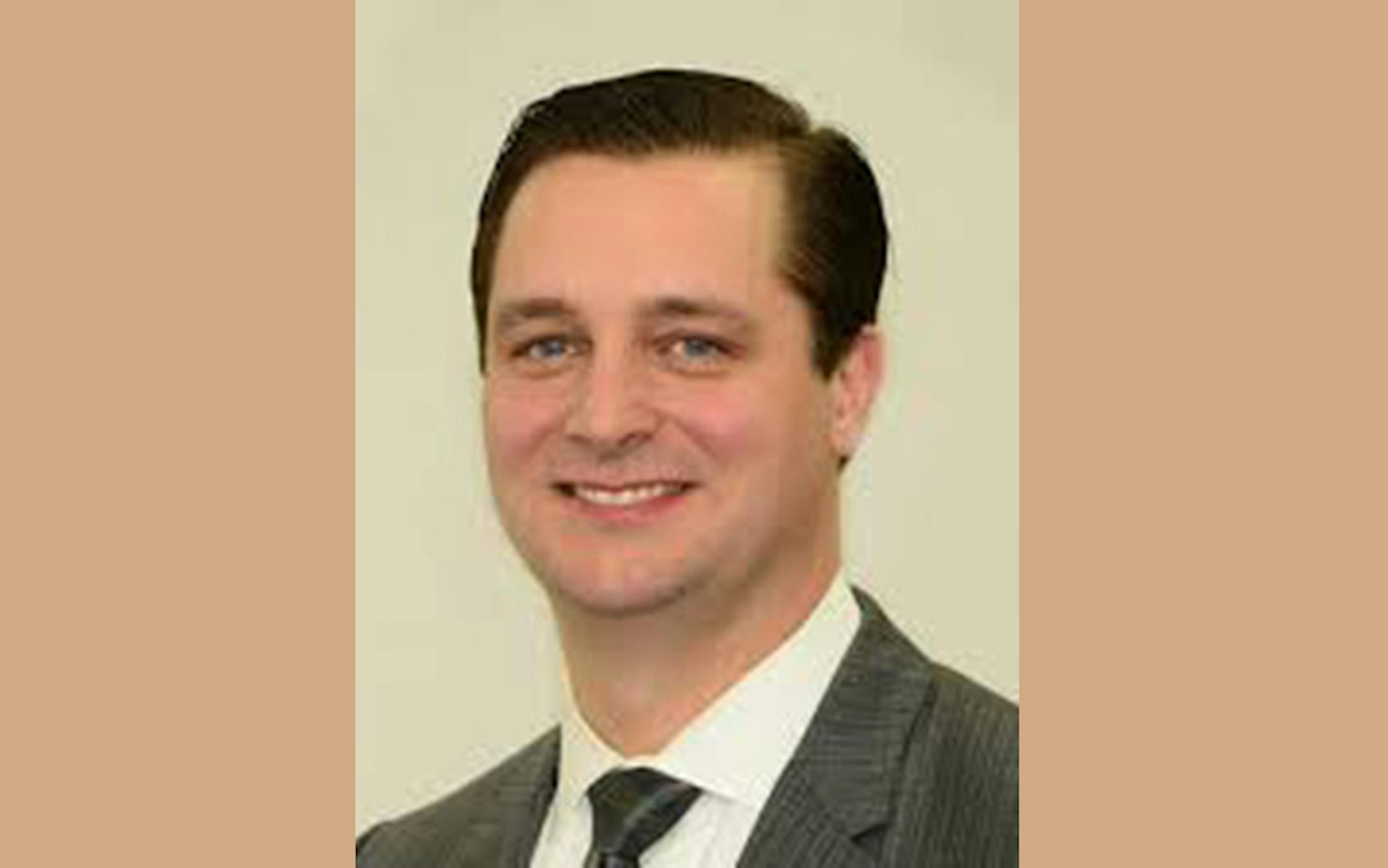
Adam Duininck, currently a council member, is the new chair, subject to confirmation by the state Senate. Duininck officially would be a full-time employee, a status long overdue for this post. Outgoing chair Susan Haigh worked tirelessly despite officially being a part-time employee.
While Duininck is a relatively young 34, he already has had deep experience as chair of the council's Transportation Committee and as chief liaison to the Transportation Advisory Board.
At first glance, however, Duininck may seem like an unlikely choice to build bridges across the political, geographic and philosophical divides the council faces. He's the former executive director of WIN Minnesota, which fundraises for DFLers (and he is married to Dayton's chief of staff, Jaime Tincher). He lives in Minneapolis. And he is a strong advocate for building the proposed Southwest light-rail line — a position the Star Tribune Editorial Board shares but one deeply opposed by many, including legislators.


