

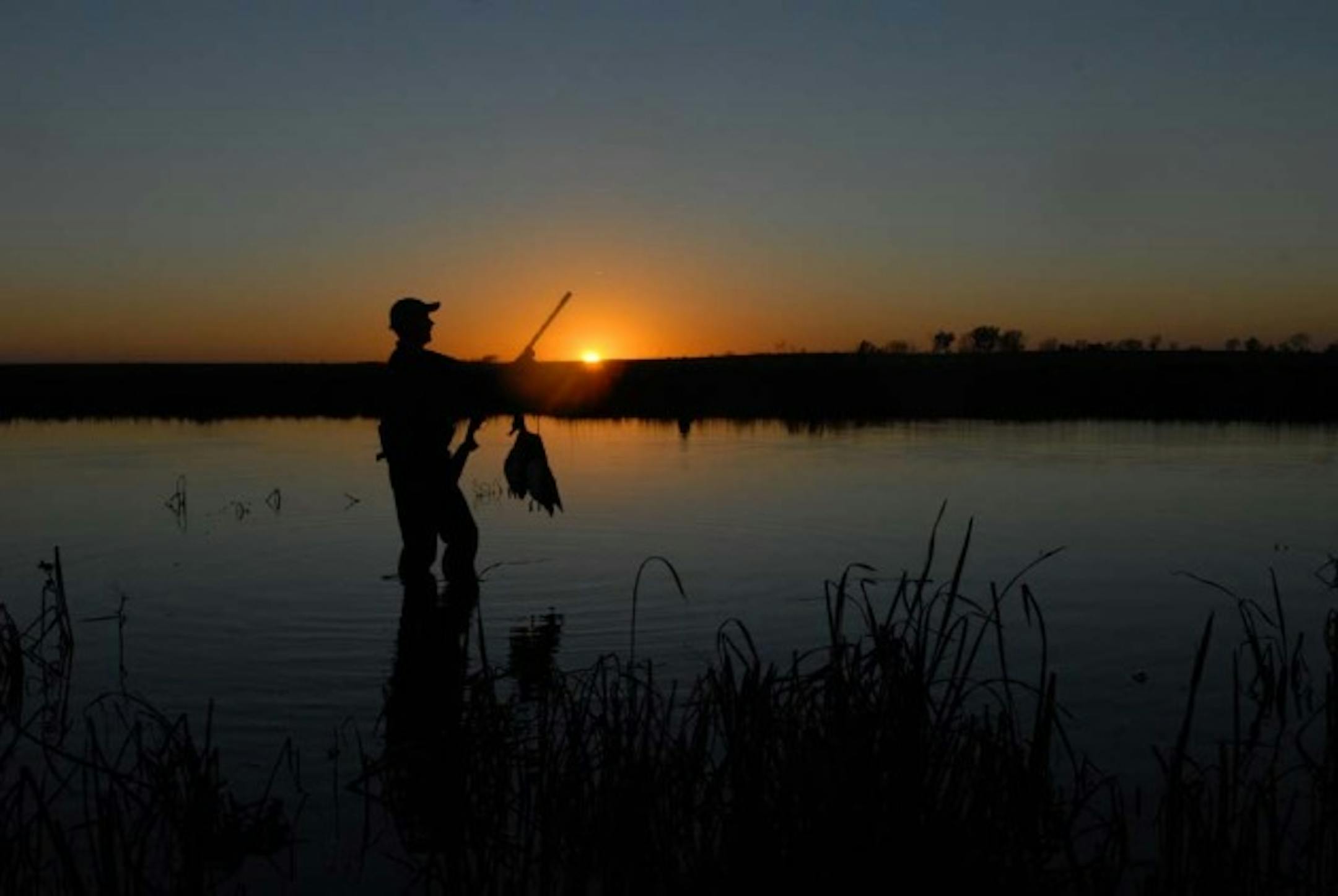

Notice that more and more ducks seem to be migrating through Minnesota after the season has closed?
Perhaps your impressions are correct, according to a new study by Delta Waterfowl that says many waterfowl are being taken by hunters significantly later in the year than in previous decades.
The Delta Duck Migration Study was written by Delta science director Dr. Frank Rohwer, Louisiana State University graduate student Bruce Davis and Delta's senior director of U.S. policy John Devney.
The US Fish and Wildlife Service has collected comprehensive harvest data from hunters since 1961, and the study examined data from its annual Parts Collection Survey.
"With few exceptions, harvest dates for mallards throughout the mid-latitude and southern states have become consistently later," Rohwer said in a Delta press release. "Mallard harvest is on average ten days later in Arkansas, fifteen days later in California, sixteen days later in Illinois, and twelve days later in Virginia."
Here's more from the release announcing the study:
Most migrant duck species, including gadwall, ring-necked, pintails and green-winged teal, have significantly later harvest dates now than historically has been the case. Blue-winged/cinnamon teal and mottled ducks were the only species to run against the trend.
"Hunters have suspected this was happening, and for the first time, we've seen the data that confirms this on a big scale," says Rohwer. "As usual, hunters seem to know more than we give them credit for."


