On a frigid afternoon in mid-December, Minneapolis Mayor Jacob Frey told a crowd gathered at a newly erected homeless shelter in south Minneapolis that illegal drug use would not be permitted at the facility, which the city allocated $1.5 million to develop.
That pledge has since been ignored.
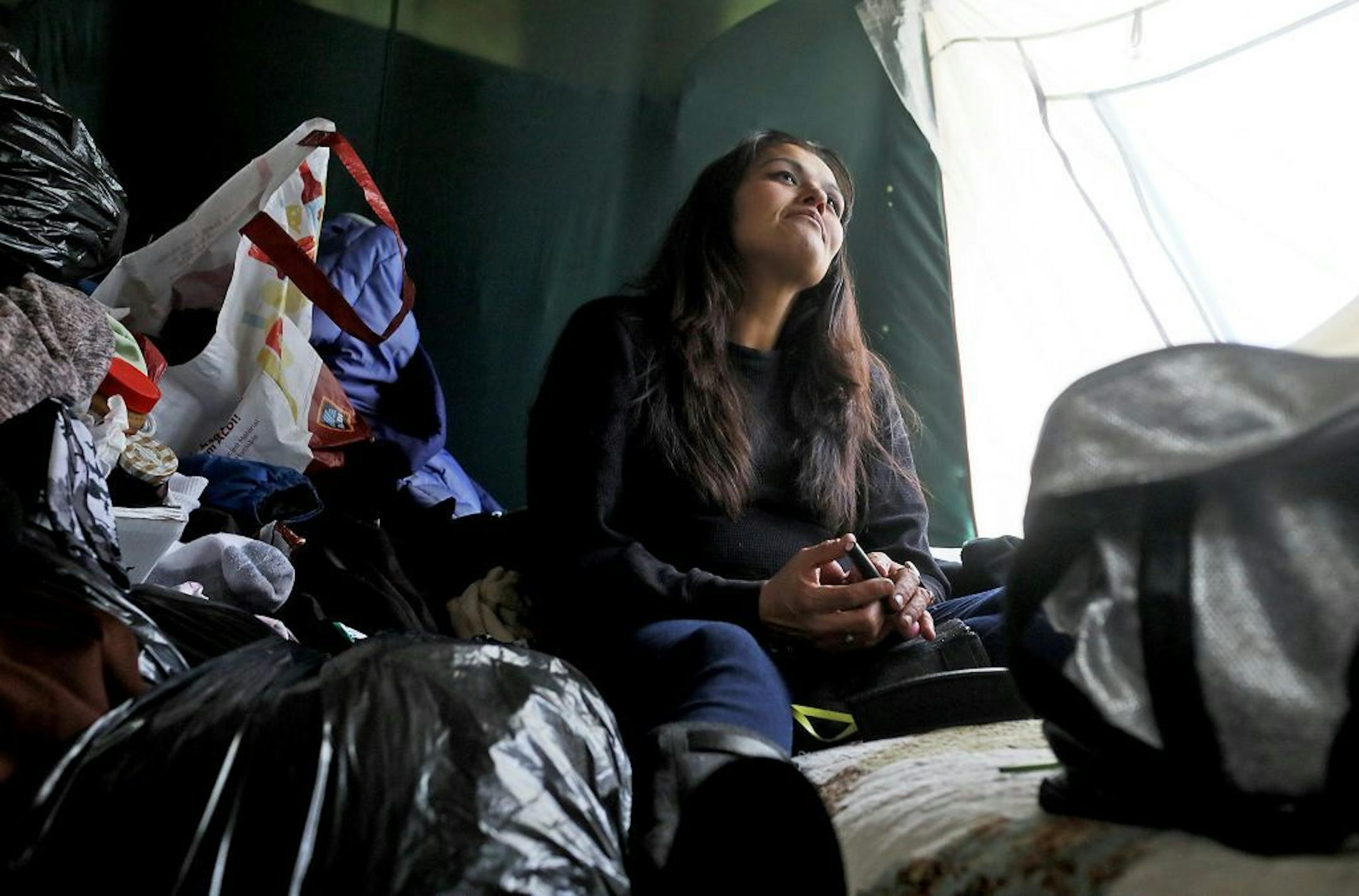
More than a month has passed since social service agencies relocated about 150 people from a crowded homeless camp on Franklin and Hiawatha avenues to several heated, dome-shaped tents on nearby land owned by the Red Lake Nation. City leaders hailed the temporary shelter, which is called a "navigation center," as an innovative way to provide safe shelter and support services to a hard-to-reach population while helping them transition to more permanent housing.
Yet, despite assurances to the contrary, use of illegal drugs is widespread and overdoses are now a regular occurrence within the gated compound. Some shelter residents say people are shooting up heroin and other illegal substances within sight of center staff and without fear of repercussions. The drug use reached a tipping point early this month, when as many as eight residents suffered overdoses on a single day; one resident, Todd L. Weldon, 47, died after he overdosed in his cot at the shelter despite multiple attempts to resuscitate him.
The incidents underscore the balancing act facing the city and its partners: how to run a safe, lawful transitional site without driving away homeless people who struggle with serious addiction.
"Housing is a human right, and we believe it should not be contingent upon someone's use or abstinence from substances," said Steve Horsfield, executive director of Simpson Housing Services, the Minneapolis-based nonprofit that is operating the center.
But the public safety challenges are serious. Since the center opened, there have been more than 60 police calls there, say city records.
Some residents have expressed surprise that drug use has been permitted within the living areas and in plain view of shelter staff and harm-reduction specialists. "People are going to use [drugs] no matter what, but it's so tragic that it's happening here — in a place that was meant to be a refuge," said Omar Torres, 36, who moved to the center last month and was a friend of Weldon's.
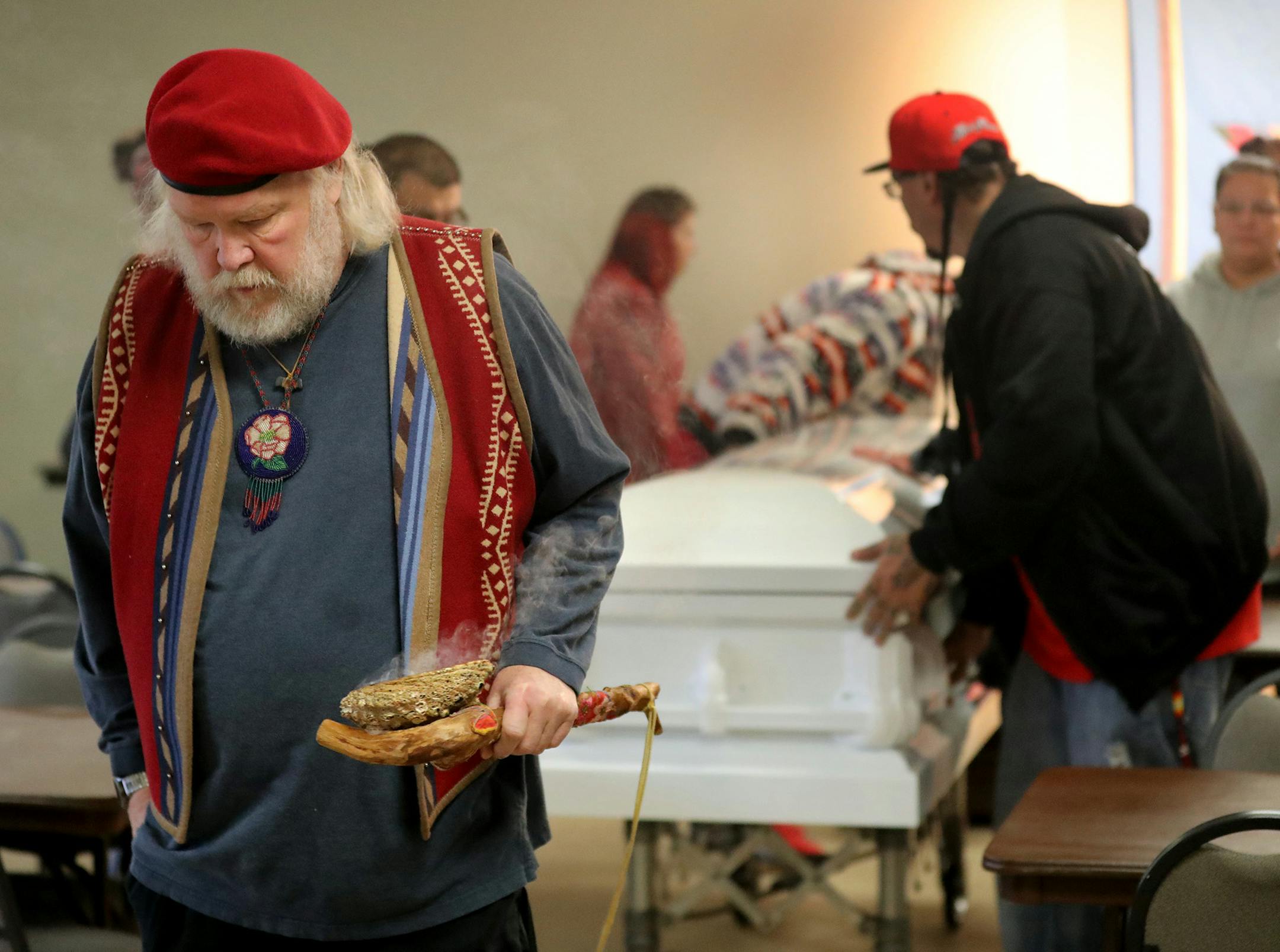
![Relatives of deceased Celesta Yanez gathered at the Gichitwaa Kateri Church for a ceremony marking the closing of her casket, and the sending of her body north to her reservation. Celesta Yanez died of a drug overdose a week ago. Here, Katherine “Kat” Yanez, peers into the van that carried her sister's remains to the reservation for burial from Gichitwaa Kateri Church Tuesday, Jan. 15, 2019, in Minneapolis, MN.] Just want to make sure that we know the woman in the casket did not di](https://arc.stimg.co/startribunemedia/DMM3JS4AXRP3LUZXE7SCME5LOE.jpg?&w=1080)