If Minnesota's now-deep snowcover melts and runs off over frozen ground, it will do little to ease the worst drought in decades. But there will be some beneficiaries: ducks, among others.
Runoff that heads into low spots in the landscape, including wetlands that were nearly dry last fall, will form temporary ice-lined ponds that ducks and other waterfowl returning to spring nesting grounds will find irresistible, said Ken Varland, the Department of Natural Resources' regional wildlife manager for southwestern Minnesota.
"From our perspective, that's a good thing for migrating waterfowl," he said.
Because winter snows arrived late across much of Minnesota, drought-dry soils got so cold first that they may freeze the first meltwater that penetrates them, preventing the rest from soaking in. Across southern Minnesota, soils are capped by an even more water-resistant layer of ice that formed when December rains froze.
The current snow cover holds 4 inches of water across much of Minnesota, atop soils that are as dry as they've ever been at depths where plants will need moisture, said state climatologist Greg Spoden. It's a situation he hasn't seen since the drought years of 1987-88.
But that doesn't mean the snow and the water in it will be wasted.
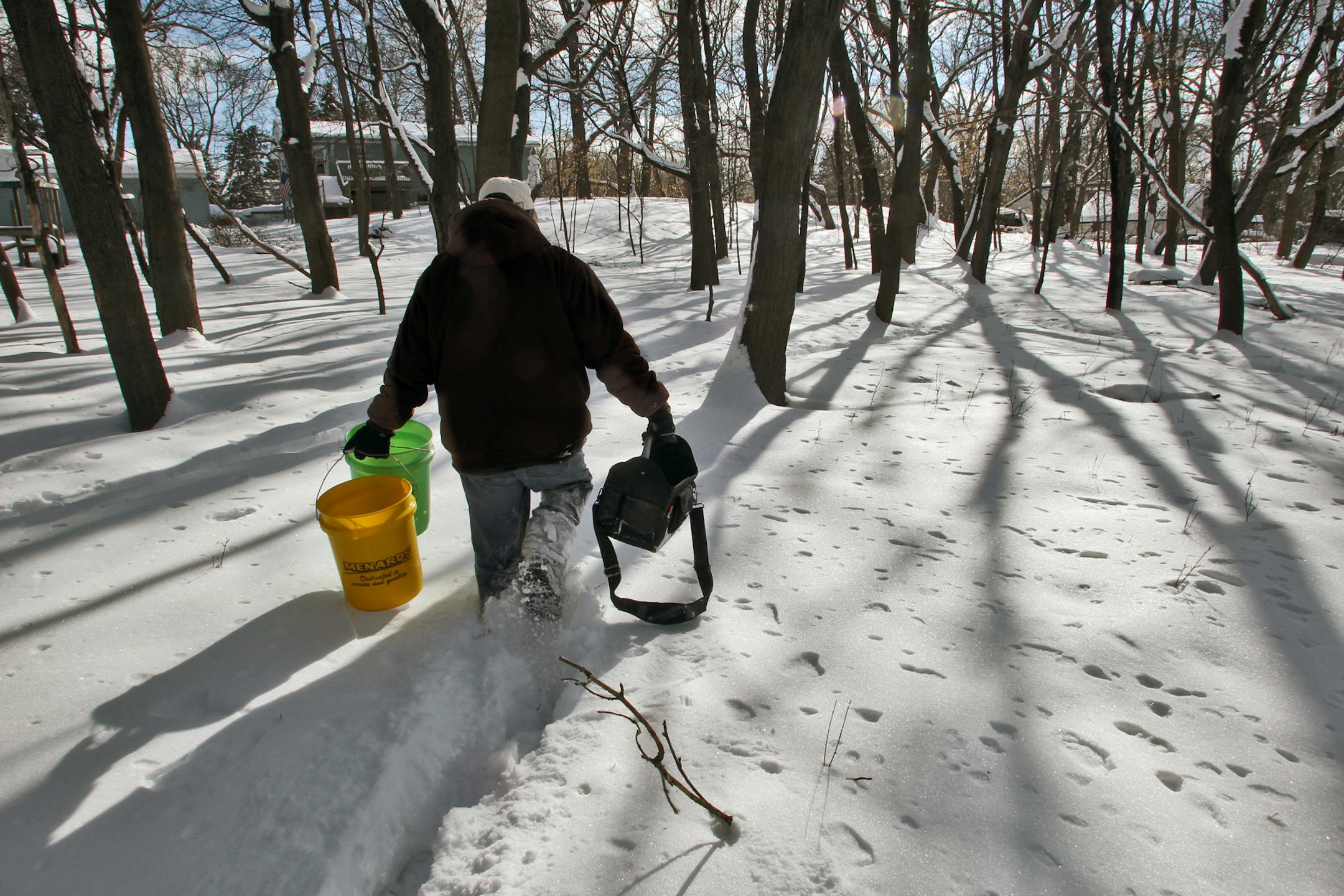
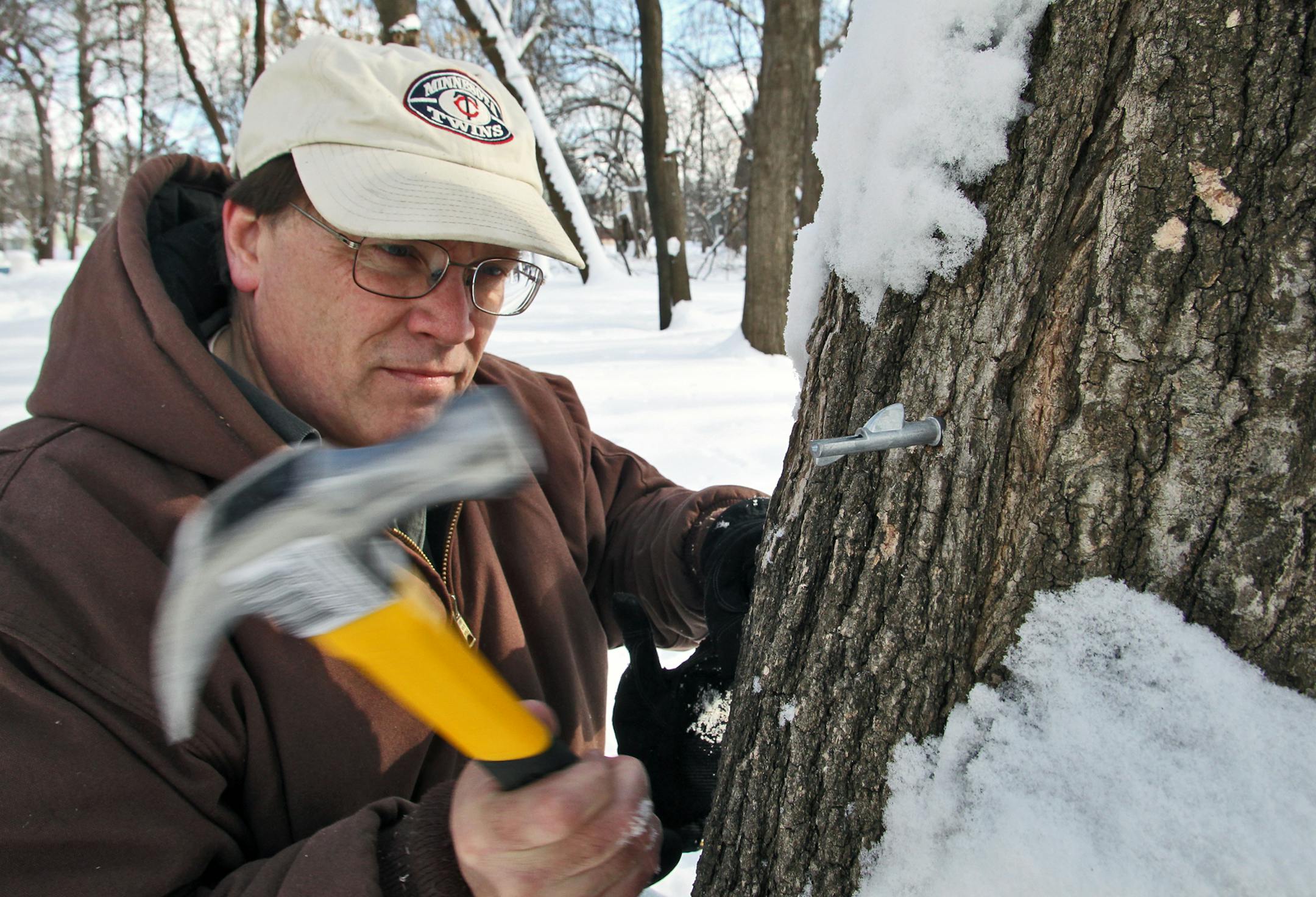
For now, the deep snow should prolong the cold weather — a good thing in the eyes of Chris Ransom, secretary of the Minnesota Maple Syrup Producers' Association. A warm snap can shut off the run of sap that gets boiled down into syrup.
"The more snow we get, the longer it takes to warm up," Ransom noted. "The joke is that we want weather everyone else doesn't like. We don't want it to warm up too fast. That'll just ruin the season."