(File image: NOAA/The Minnesota Star Tribune)
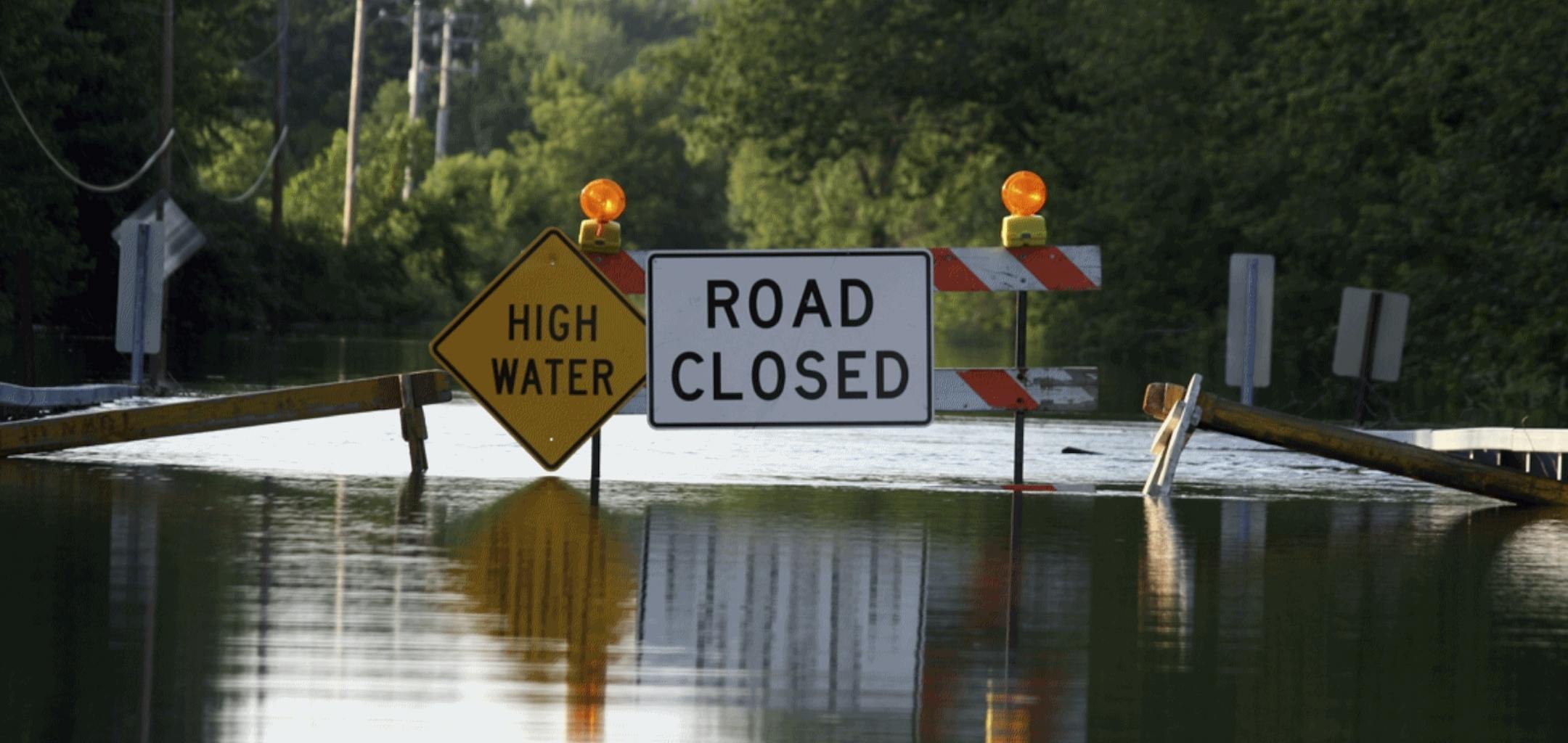
FEMA Overhauls National Flood Insurance Program for Climate Change. CNBC.com has details: "Climate change and its devastating impact are accelerating faster than ever, according to a new report from the United Nations' Intergovernmental Panel on Climate Change. Hurricanes are becoming stronger, rainfall heavier and flood risk higher. Yet, America's National Flood Insurance Program hasn't changed at all since its inception. But it is about to. Under the current program, the Federal Emergency Management Agency provides $1.3 trillion in coverage for more than 5 million policy holders in 23,500 communities nationwide. Homeowners in FEMA-designated flood zones are required to purchase flood insurance, but others do so voluntarily. Nearly one-third of NFIP policyholders are not mandated to carry it..."
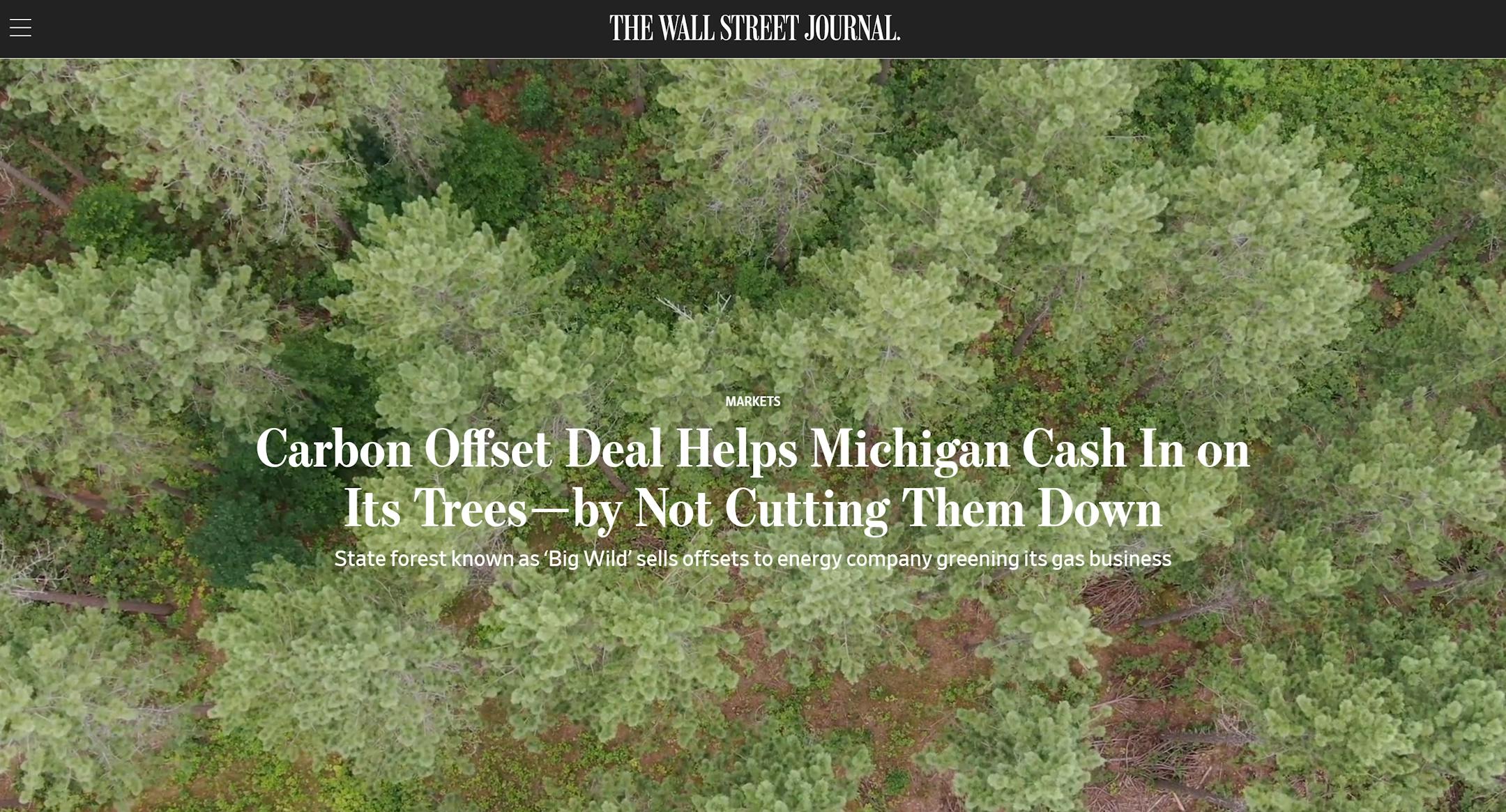
Michigan agreed to limit logging at the 110,000-acre Pigeon River Country State Forest and sell carbon offsets to a local utility. (The Minnesota Star Tribune)
Carbon Offset Deal Helps Michigan Cash In on Its Trees - By Not Cutting Them Down. The Wall Street Journal (paywall) reports: "The Pigeon River Country State Forest generates cash from timber sales, oil-and-gas leases, hunting licenses and camping fees. Now the foresters who look after its towering red pine, bleach-barked aspen and elk will manage the roughly 110,000 acres for a new moneymaker: carbon offsets. Michigan's Department of Natural Resources has agreed to limit logging in the Lower Peninsula forest known as the "Big Wild" over the next four decades to create carbon offsets, a climate-change currency that companies use to compensate for emissions. DTE Energy Co,Michigan's largest energy company, has agreed to buy the offsets and is marketing smaller carbon footprints to customers of its natural-gas business who are willing to pay a monthly fee to go green..."
(The Minnesota Star Tribune)
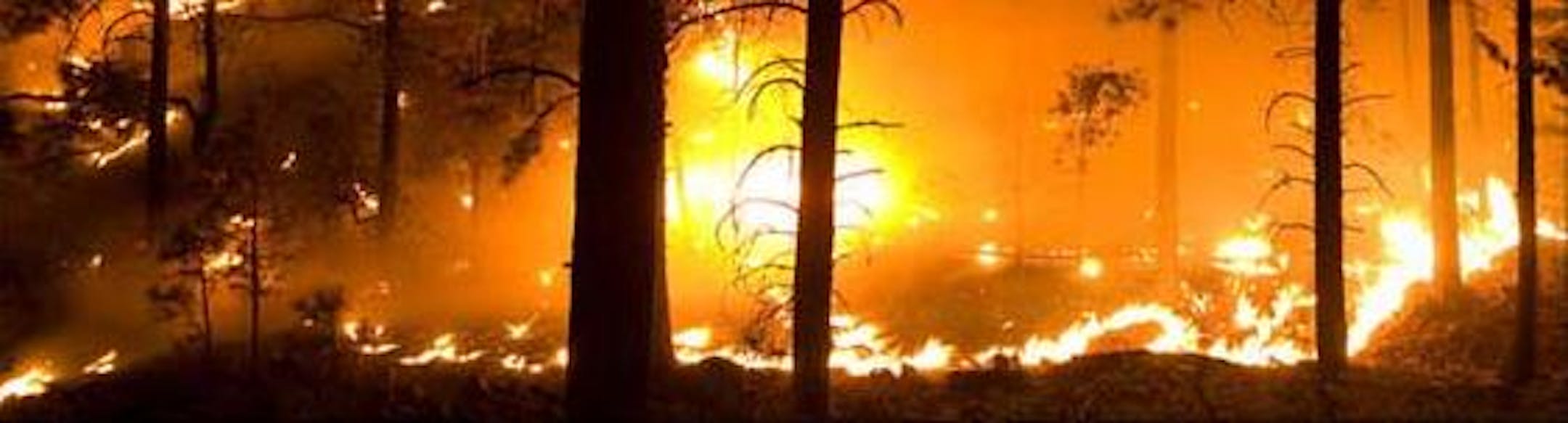
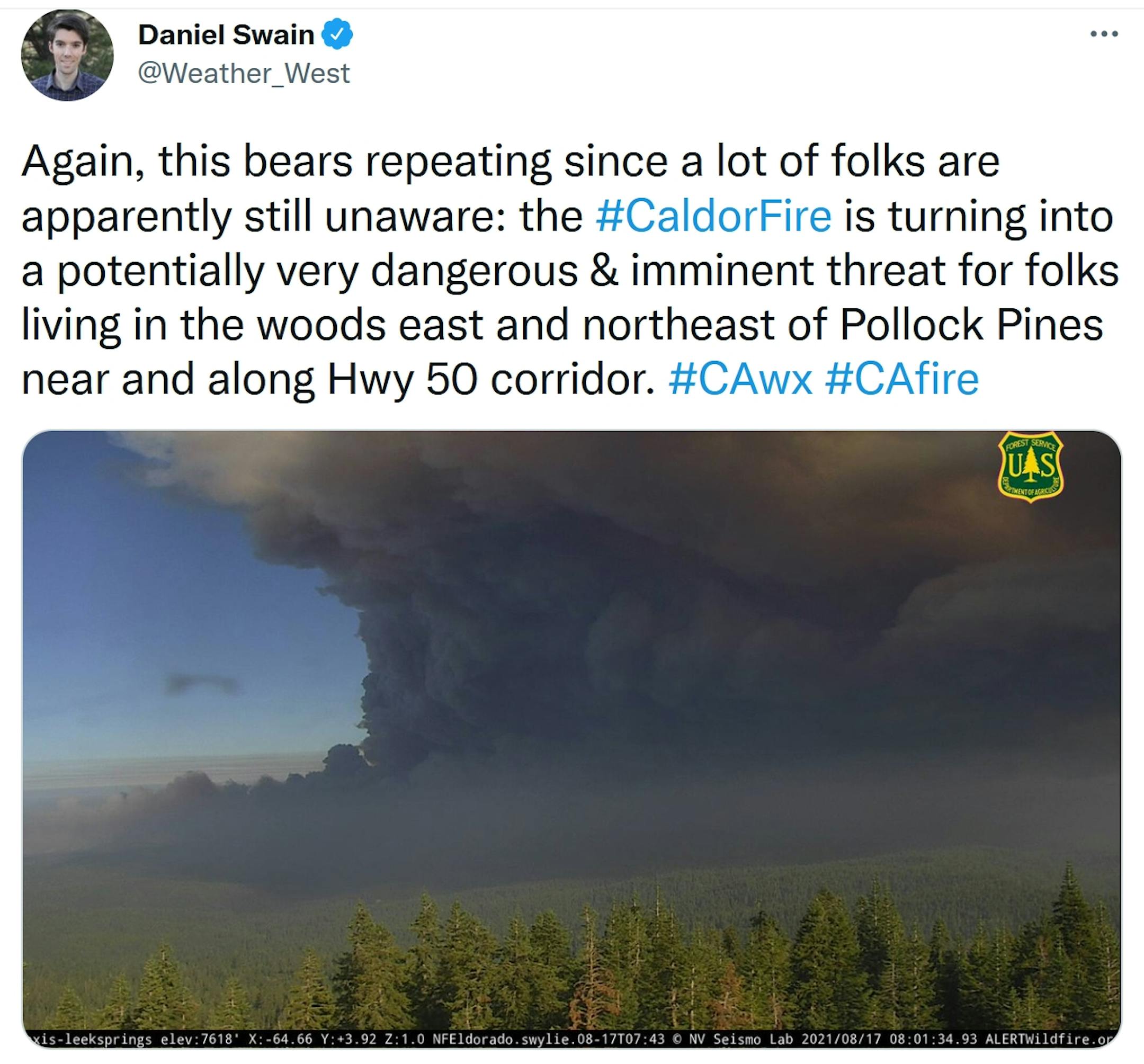
Climate-Fueled Fires Rage Across NorCal: Climate Nexus has headlines and links: "Northern California is under a siege of wildfires and smoke, fueled by drought and heat made worse by human-caused climate change, and the list of cities and towns under evacuation orders is long. The Caldor Fire continued its rapid expansion Wednesday, growing at double the pace of firefighters' models from roughly 30,000 acres on Tuesday to 62,586 acres Wednesday night. The even larger "megafires," Dixie, McFarland, and Monument, have also continued growing. The Dixie Fire has incinerated an additional 66,000 acres since Monday, becoming the first known fire in state history to burn all the way from the western slopes of the Sierra Nevadas, across the mountains, and into the eastern valley floor. As the fires roar through tinder-dry fuel, they are wiping out forests central to California's plans to reduce the state's carbon emissions, and filling the air with hazardous pollution. The fact that 30 fire engines and their firefighters were moved from the Dixie Fire to fight the Caldor Fire illustrates just how thin firefighting resources are stretched, due in part to the widespread conflagrations burning across the continent. ("Canada is burning as well," Cal Fire director Thom Porter told the Sacramento Bee.) Though still much smaller, the exceptionally fast-burning Cache Fire destroyed dozens of homes and threatened an elementary school, forcing children to hurriedly flee as flames burned just across the street. Reaction to the fire near Clearlake was initially limited, officials said, because some local crews were already deployed to assist in fighting the Caldor Fire. The extended drought and recent heat, both made worse by climate change, have created conditions ripe for the exceptionally destructive fires. "It's important for all Californians to understand the severity of how our climate-driven conditions are altering the environment and are making these fires move faster and making them more complex and, ultimately, more dangerous than anything we've faced in the past," Mark Ghilarducci, director of the emergency services office, told reporters." (Fires: Washington Post $, AP, New York Times $, Axios, NBC; Caldor Fire growth: Washington Post $, SFGATE, Sacramento Bee $, San Francisco Chronicle $, ABC, CBS, Washington Post $; Dixie Fire: San Francisco Chronicle $; Carbon emissions: AP; Air quality: New York Times $, Sacramento Bee $; Limited resources: Sacramento Bee $; Cache Fire: San Francisco Chronicle $, ABC-7; Climate Signals background: 2021 Western wildfire season, Drought)
(Photo: John Locher (AP)/The Minnesota Star Tribune)
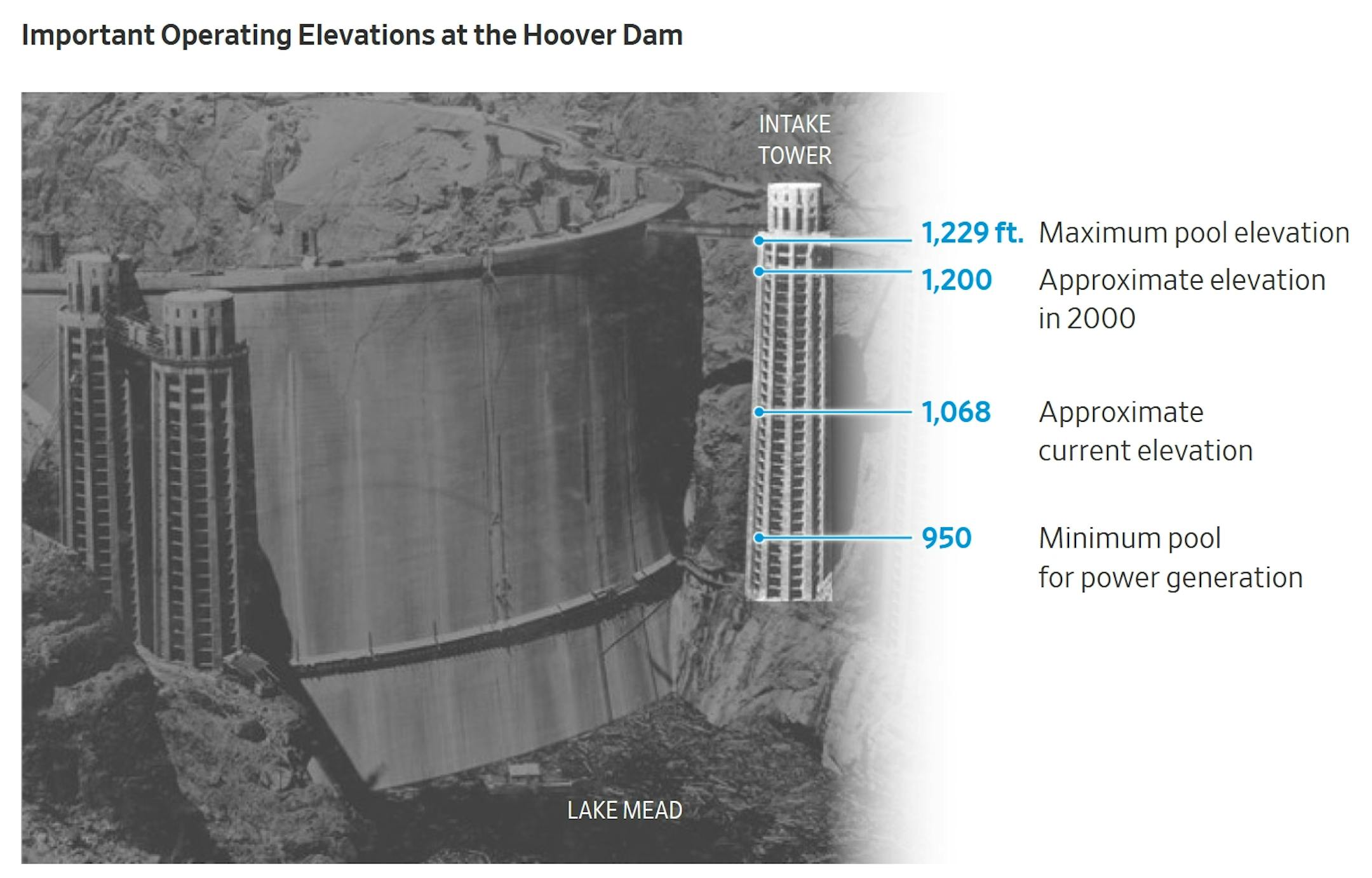
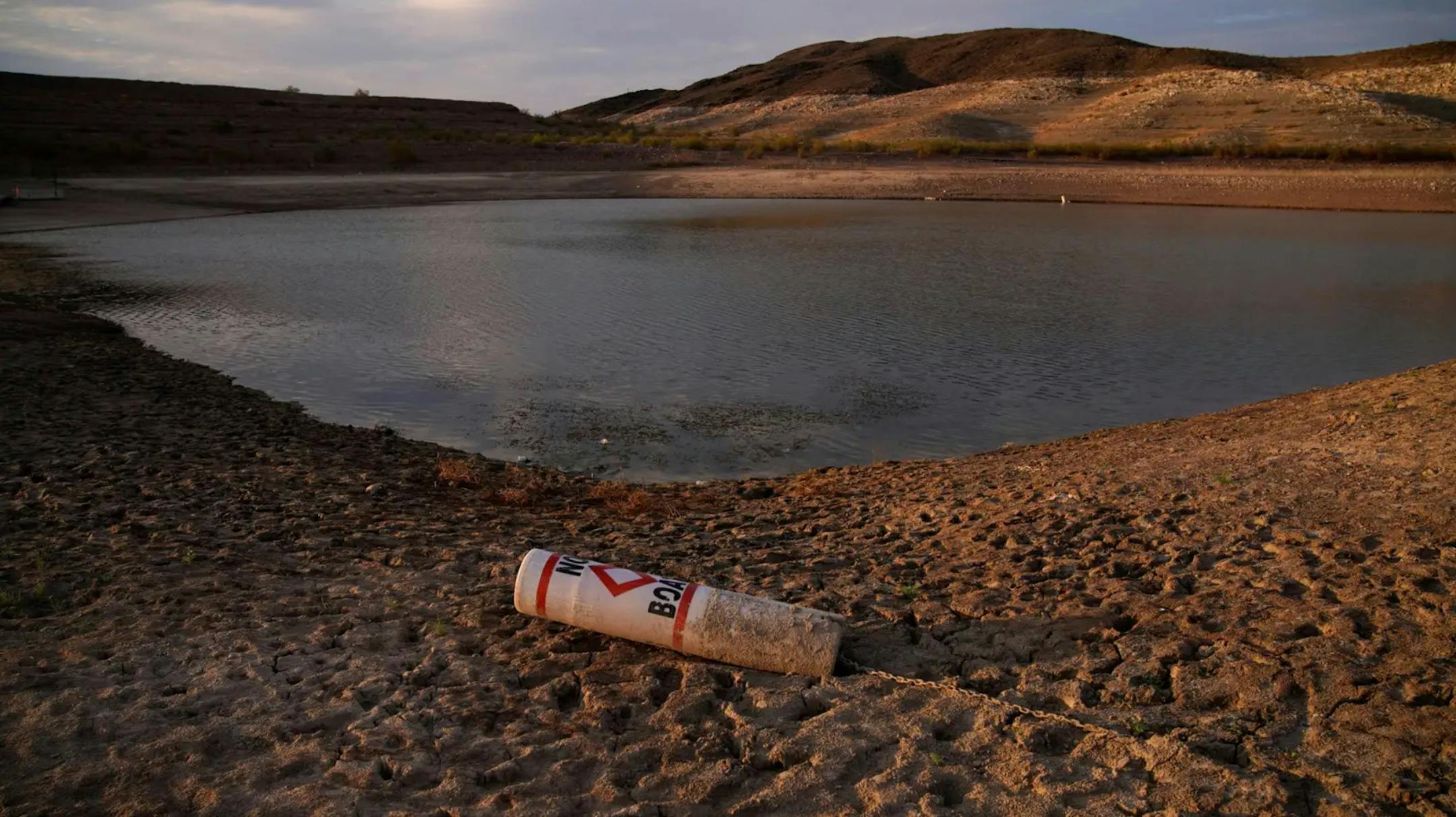
The Water-Shortage Era Has Officially Begun. Back to my prediction that "water management" will be one of the most in-demand gigs in the years to come. Too much water, not nearly enough water - how do we balance out an increasingly erratic and extreme Mother Nature? Gizmodo has the post; here's an excerpt: "...The West is in its worst drought in at least 1,200 years. The last one of this magnitude likely led to the collapse of Indigenous civilization in the region. While that drought was fueled by natural shifts in the climate, the current one is being driven at least in part by climate change. The rise in temperatures have turned some winter precipitation from snow into rain, sped up spring runoff, and baked the ground with searing heat waves. A study published last year even found that snow loss is leading to higher evaporation rates, essentially baking in drought and even sucking waters from reservoirs up into the sky. All that has contributed to less water to go around..."
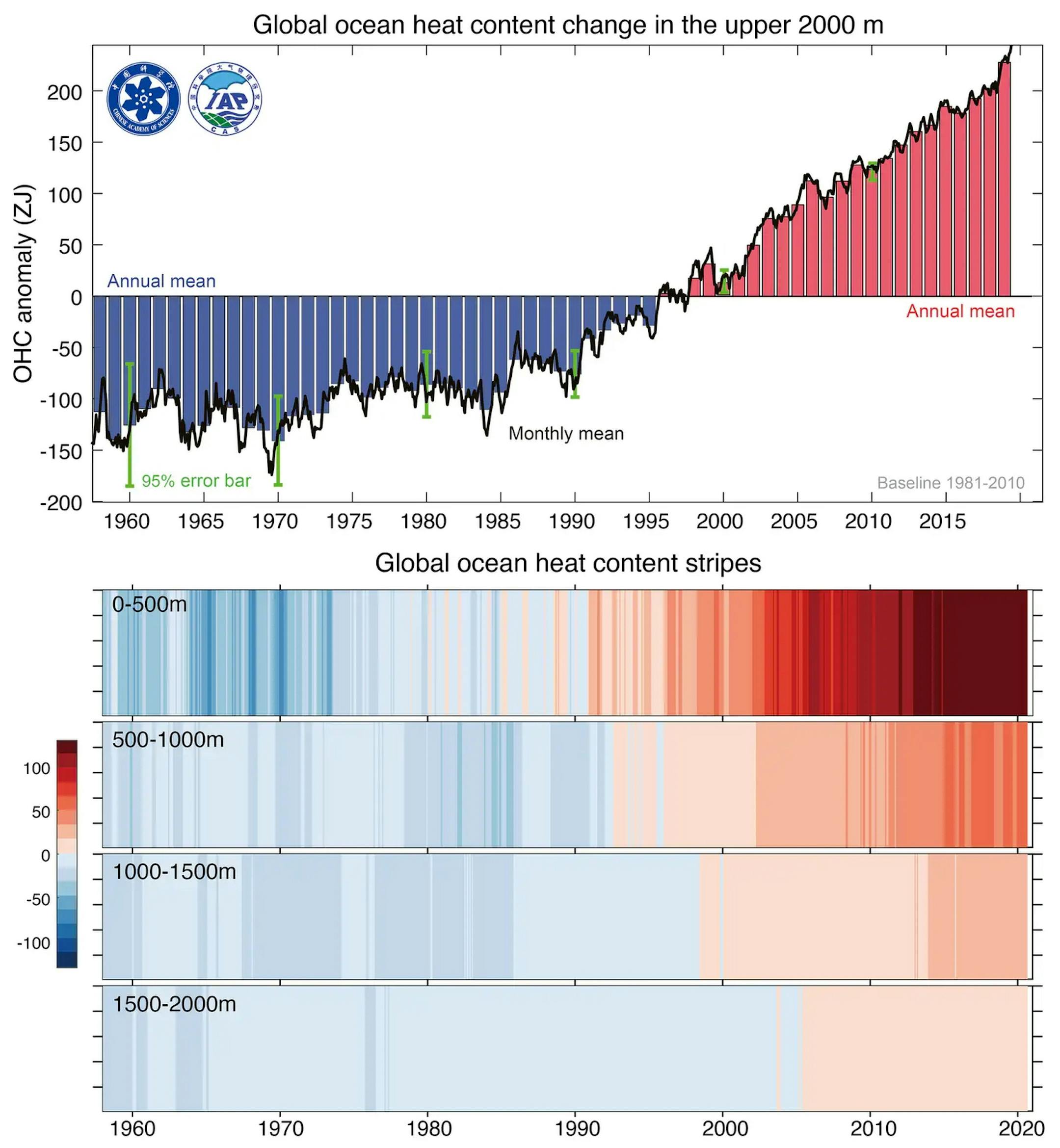
The average global temperature change at different ocean depths, in zetajoules, from 1958 to 2020. The top chart shows the upper 2,000 meters (6,561 feet) compared with the 1981-2010 average. The bottom shows the increase at different depths. Reds are warmer than average, blues are cooler. (Cheng et al, 2021, CC BY-ND/The Minnesota Star Tribune)
Climate Change is Relentless: Seemingly Small Shifts Have Big Consequences. Dr. Kevin Trenberth from NCAR has a timely post at The Conversation; here's an excerpt: "...Over oceans, the extra heat provides a tremendous resource of moisture for the atmosphere. That becomes latent heat in storms that supersizes hurricanes and rainstorms, leading to flooding, as people in many parts of the world have experienced in recent months. Air can contain about 4% more moisture for every 1 degree Fahrenheit (0.55 Celsius) increase in temperature, and air above the oceans is some 5% to 15% moister than it was prior to 1970. Hence, about a 10% increase in heavy rain results as storms gather the excess moisture. Again, this may not sound like much, but that increase enlivens the updrafts and the storms, and then the storm lasts longer, so suddenly there is a 30% increase in the rainfall, as has been documented in several cases of major flooding..."
(LinkedIn/The Minnesota Star Tribune)
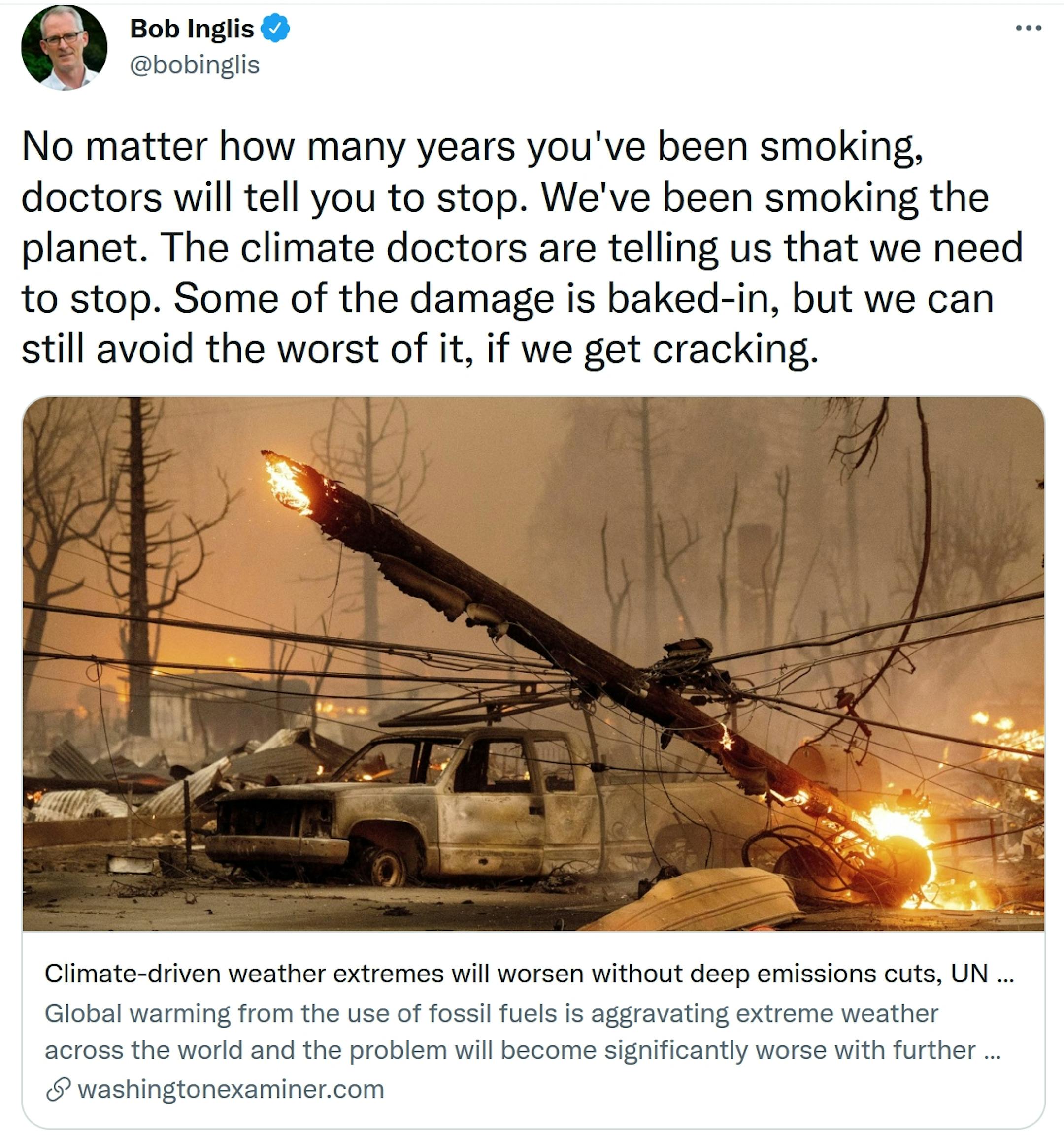
Climate-Driven Weather Extremes Will Worsen Without Deep Emissions Cuts, UN Warns. Here's an excerpt from The Washington Examiner: "...But Hausfather said he is more optimistic that the less-stringent 2 degrees target can be met, which the U.N. report shows would require getting emissions to zero in the 2070s. While a half-degree may not sound like much, the report details that even that much warming could have a big impact on the natural world, leading to a loss of all coral reefs and risking the extinction of species that cannot adapt to warmer temperatures. Every additional half-degree of warming causes "clearly discernible" increases in the intensity and frequency of heat waves, heavy precipitation, and droughts, the report said. The report is noteworthy for using stronger language to declare that human activity is causing climate change and attributing extreme weather events to global warming..."