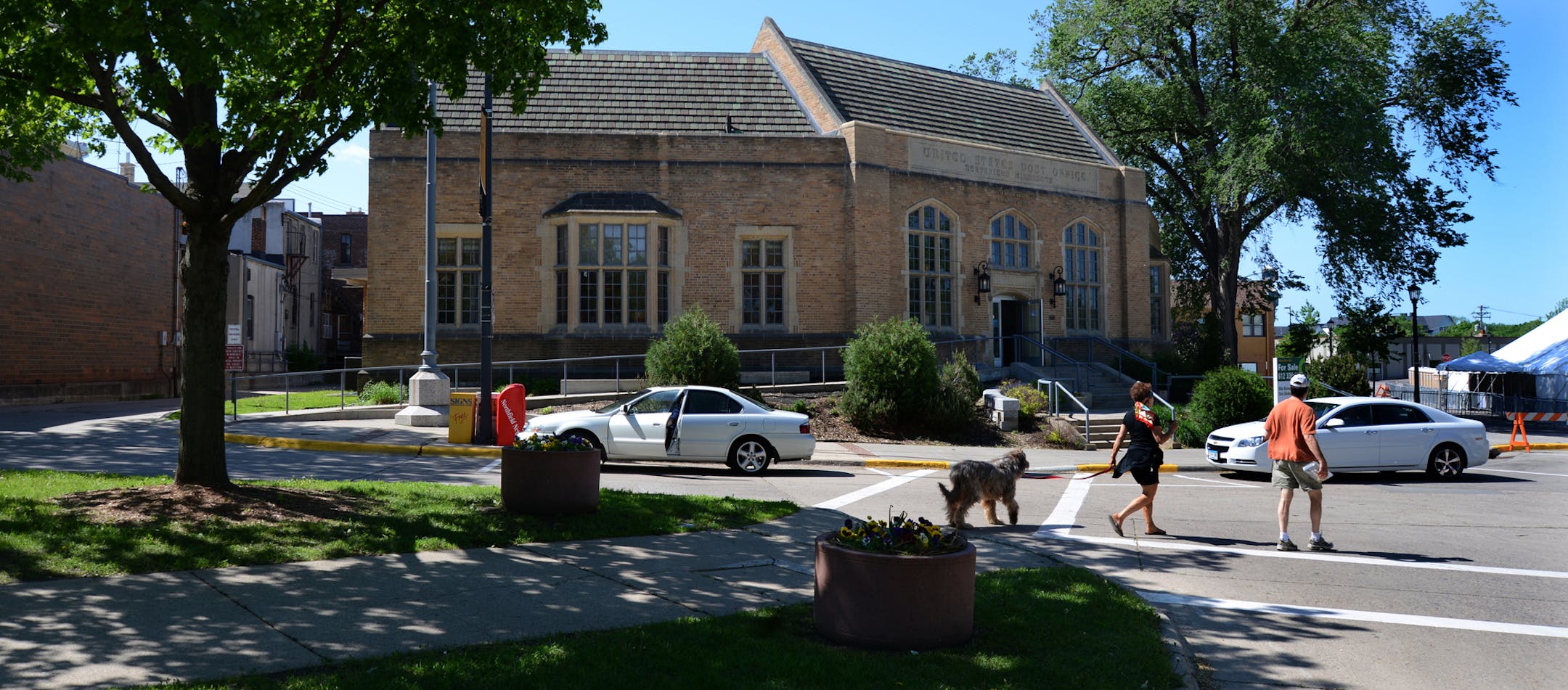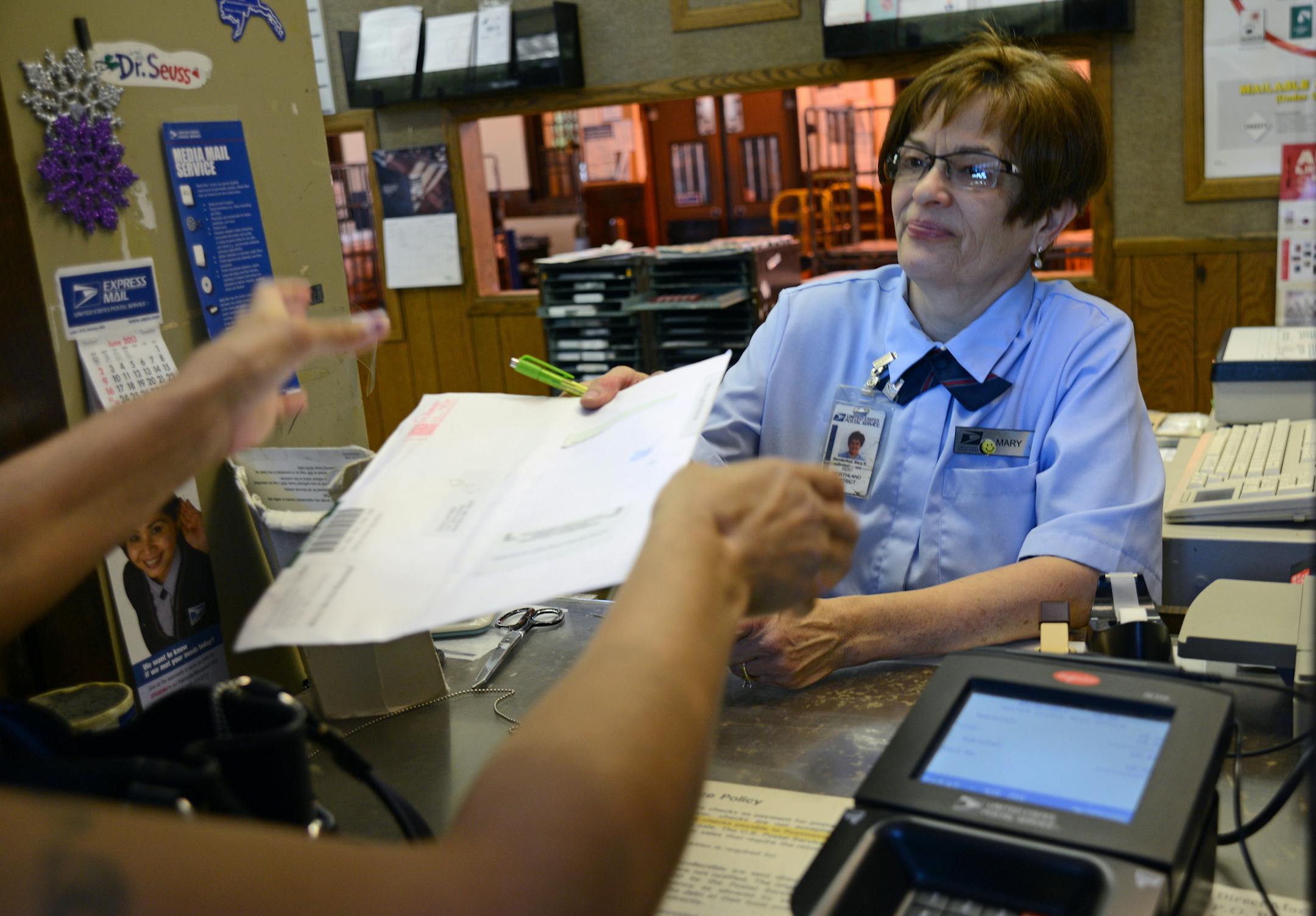
Some Northfield residents feel like crickets have been chirping for more than two years.
Since the United States Postal Service's April 2011 announcement that it would close the downtown Northfield post office, community and historical groups and the city have been working to limit the impact on the community.
They've conducted surveys, written letters to historical preservation groups, formed a Save our Post Office task force, and written letters to the United States Postal Service asking them to collaborate on options to retain the history of the building and the downtown district, and to keep postal services available in the area.
But several community leaders say they have heard nothing and become frustrated, and the community is left wondering what will happen.
"At this point, you just kind of pound your head on the desk and wonder what you're supposed to do anymore," said Northfield Community Development Coordinator Michele Merxbauer. "We're not even being met with resistance, it just feels like we're being ignored."
Minnesota's spokesman for the USPS, Peter Nowacki, says the postal service is not ignoring these groups. "It's certainly a lengthy process, it's a complicated process, and it's obviously something that has to be done right." He added that a historical preservation employee at postal headquarters "said he's been working on a response, and they should expect something soon."
The postal service has been trying to sell the building, leading to speculation and some concern about who might purchase it, and what use they have in mind. The city says purchase offers for the building have gone unanswered.
Sarah Beimers, chairwoman of the Northfield Heritage Preservation Commission, wrote a letter in mid-May to Minnesota's State Historic Preservation Office and the federal Advisory Council on Historic Preservation asking them to "address the lack of Section 106 compliance on the part of the United States Postal Service and its planned undertaking …" Section 106 of the National Historic Preservation Act of 1966 requires an entity to review effects of selling a federal and historic building, which includes involving the public to comment.