
Minneapolis Downtown Council pulls plug on Holidazzle and Aquatennial, seeks new organizer

After years of inconsistent funding, the business group is hoping others will continue or reimagine the city’s signature events as the area keeps working on its post-pandemic rebound.

The Minnesota Star Tribune
October 14, 2025 at 12:29AM
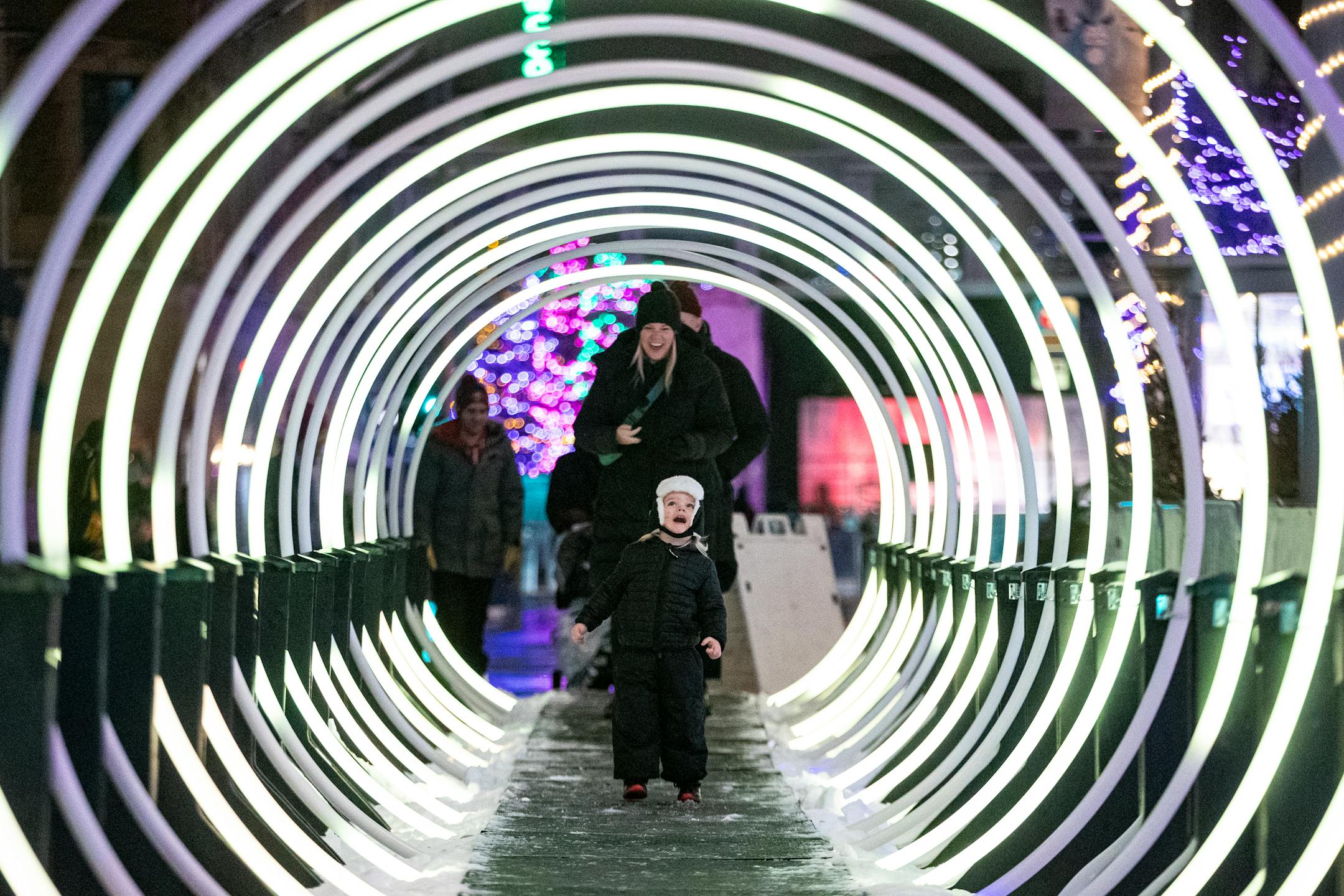
For the first time in a decade, Holidazzle returned to Nicollet Mall last December. The Minneapolis Downtown Council plans to stop producing large festivals, meaning the holidays could look a bit different in the urban core this year. (Ayrton Breckenridge/The Minnesota Star Tribune)

Two events that have become synonymous with downtown Minneapolis will not happen in the future if a new organizer doesn’t materialize.

The Downtown Council — the most recent organizer of Holidazzle and Aquatennial — is backing out of running such events, citing budgeting challenges and competing priorities. Adam Duininck, president and CEO of the business organization, said he and his team are hoping to hand off the planning to other groups who will continue the longstanding traditions or reimagine them.

The move comes at a time when Minneapolis, like downtowns across the country, is struggling to rebuild its foot traffic and vibrancy after the pandemic reduced in-office work. City boosters, including the Downtown Council, have posited a vision of downtown that relies just as much on residents and entertainment as it does on white-collar commuters.

Holidazzle, which happens around the winter holidays, and Aquatennial, a midsummer festival known for a fireworks show over the Mississippi River, were two major attractors of visitors to the downtown area.

Duininck said the entertainment sector has fueled downtown Minneapolis’ post-pandemic recovery, which is one of the factors behind Downtown Council leadership’s decision to focus on other goals.

“Going out and doing festivals is not one of those areas we need to improve,” he said. “Where we do need to improve is safety and advocacy. Where we do need to improve is our long-range plan and making it happen to make Minneapolis the best city that it could possibly be.”

For several years, Holidazzle and Aquatennial have relied largely on hundreds of thousands of dollars in sponsorships, an inconsistent funding source that made planning difficult, Duininck said.

It no longer “made a lot of business sense” to carry a team of workers in event-planning roles, so the Downtown Council recently laid off three operations staffers, he said.

“This move by our organization, we think, is going to help position us for strength in the long run,” Duininck said. “We don’t think that it’s going to result in less activity downtown.”

End of an era

Downtown Minneapolis businesses launched Holidazzle in 1992 to compete for holiday shoppers with the Mall of America, which had just opened in Bloomington. Organizers spent more than $1 million on marketing efforts that yielded the Disney-inspired light-up floats that paraded down Nicollet Mall for more than two decades.

The event evolved through the years. The parade stopped in 2013, when organizers refashioned Holidazzle as a winter festival that had a one-year stint at Peavey Plaza before several years in Loring Park.

The pandemic canceled Holidazzle in 2020. A lack of funding halted it again in 2023. Last year, the event returned to Nicollet Mall in hopes of drawing more than 100,000 visitors to the central business district through a five-day span, but only 65,000 showed up, according to Downtown Council estimates.

Aquatennial’s origins go back much further. The water-themed summer festival, billed as the official civic celebration of Minneapolis, emerged in 1940, purportedly as part of local business leaders’ plans to unite the city in the wake of the bloody 1934 Teamsters strike.

Through the years, the event has included a beauty contest, a torchlight parade, milk carton boat races and a fireworks show. The Downtown Council took control of the event from the nonprofit Aquatennial Association in 2002 after fiscal pressures threatened its future. In 2015, the council cut festivities down from two weeks to four days.

“From my understanding, the organization has always struggled to have a sustainable way to fund these efforts,” said Duininck, who joined the Downtown Council in 2023.

In an uncertain economic climate, corporate sponsorships are often more difficult to secure, he added. A spokesperson for the Downtown Council said the city’s contributions to the events were also “significantly reduced” last year because of a new, more competitive application process for funding.

“We are trying to meet the moment and figure out how we can take new approaches to really activating all pockets of downtown,” said John Marshall, regional vice president of Xcel Energy and board chair of the Downtown Council. “This is an evolution into a new direction for how we support events in downtown.”

Future festivities

The Downtown Council plans to continue supporting events with planning assistance and financial resources, Duininck said.

Already, the organization is partnering with the Minneapolis Foundation, Meet Minneapolis and downtown attractions on “Winterapolis,” a campaign and multi-month string of programming aimed at making the city a winter destination starting this holiday season.

R.T. Rybak, president and CEO of the Minneapolis Foundation, said the philanthropic organization is jumping in to help fill the Holidazzle void this year and beyond.

Under the “Winterapolis” brand that Meet Minneapolis launched two years ago, the foundation is working to spotlight existing winter events, like the Great Northern festival, and produce new ones, like a downtown light-up night the day after Thanksgiving.

“We want to help tie all these efforts together to create what we hope is the beginning of making this America’s winter city,” Rybak said. “We did it during the Super Bowl and showed the world that Minneapolis-St. Paul is a place to visit in the period that people from elsewhere are often the most afraid of.”

Some of downtown’s other familiar holiday features will also stick around this year. For instance, organizers said, holiday markets in the Dayton’s Project and IDS Center will continue, and the Downtown Council plans to replicate the Peppermint Pub Crawl it launched last year. The organization will also continue hanging lights and decorations in parts of downtown.

Though Rybak said it’s disappointing the Downtown Council won’t be putting on as many events, he thinks there will be opportunities to build a new model for programming throughout the winter season.

Among the ideas floated: a downtown curling tournament and outdoor ice rink.

The future of Aquatennial seems more uncertain. Duininck said the Downtown Council is still in the early stages of exploring how the annual July festival might transition.

The city of Minneapolis’ chief operations officer Margaret Anderson Kelliher said in a statement that while the city is not in a position to manage the festivals, it “will work closely with the Downtown Council and all stakeholders to support their success and work to find new leaders for these beloved events.”

“Events like the Aquatennial and Holidazzle play a vital role in bringing Minneapolis together with visitors from far and wide, celebrating the special vibrancy of our city and supporting local businesses and a robust downtown economy,” she said in the statement.

Whether another group steps in to run the events or different ones take their place, Duininck is sure of one thing.

“Events and festivals are always going to happen downtown,” he said. “It’s a natural gathering point. We’re going to keep promoting and supporting them where we can.”

about the writer

about the writer

Katie Galioto

Reporter

Katie Galioto is a business reporter for the Minnesota Star Tribune covering the Twin Cities’ downtowns.

See Moreicon

More from Business

See More
card image
Hormel headquarters in Austin, MN. ] GLEN STUBBE * gstubbe@startribune.com Friday September 11, 2015 Despite woes throughout the food industry, partly due to consumers turning away some from processed foods, Hormel has managed to continue prospering -- even though a good part of its business -- Spam, chili -- is about as processed as you can get. But the company's turkey and pork offerings are riding a hot protein trend. And over the past two years, it's made some of the biggest acquisitions in