

We are in a climate crisis. This unsettling reality becomes more visible with each passing day. Here in Minnesota, our actions disproportionately impact the future of our shared planet. If Minnesota and 12 other states of the American Midwest were their own country, it would be the 5th-largest carbon emitter in the world.
Transportation is the biggest source of climate pollution in Minnesota. The Minnesota Department of Transportation (MnDOT) created the Sustainable Transportation Advisory Council (STAC) in March 2020 to guide our state toward a cleaner transportation sector that will put Minnesota back on track to meeting its emission reduction goals.
To reduce emissions, Minnesotans have to shift trips from cars to other modes of transportation. Even with an accelerated move toward electric cars, it will not be possible to achieve the necessary emissions reduction without reducing vehicle miles traveled (VMT).
We are members of the STAC's Reduce VMT and Improve Transportation Options work group. In December 2020, this work group urged MnDOT to commit to reducing total VMT by 20% statewide by 2050. MnDOT adopted the STAC recommendations in March 2021.
A 20% reduction in total VMT by 2050 is both necessary and achievable. It is on par with VMT reduction goals of other states including Delaware, Washington and California. Hennepin County has also committed to a 20% total VMT reduction goal. The cities of Minneapolis and St. Paul have even more ambitious targets.
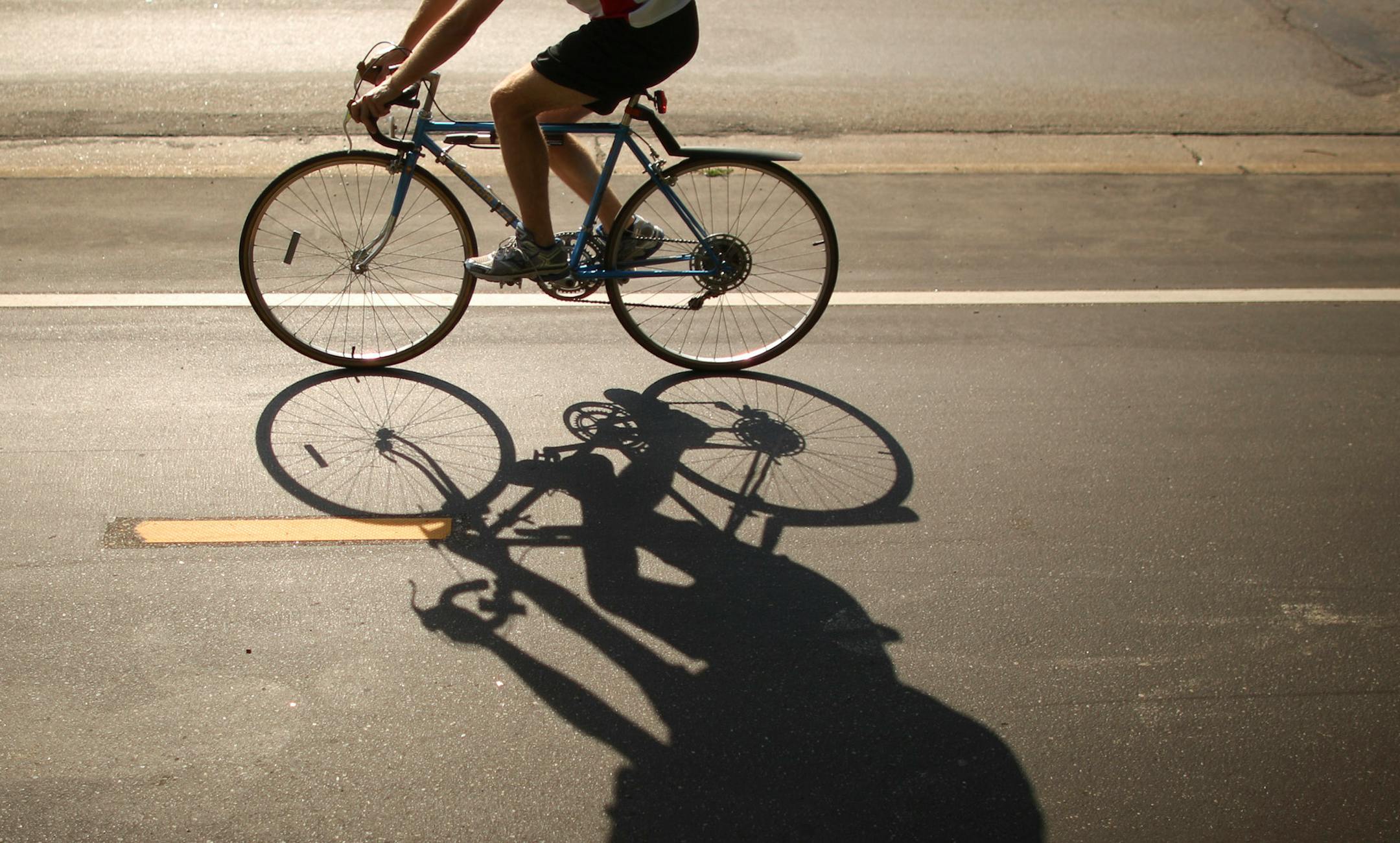
For your individual household, a 20% VMT reduction would mean driving about one hour less per week, shifting one or more trips to transit, biking or walking, or by working remotely one more day per week. We recognize that reducing VMT will look different across different parts of the state, and that the majority of VMT reduction will need to come from metropolitan areas.
VMT reduction is not about restricting people's ability to travel. Reducing VMT in cities and towns means providing better, more affordable transportation options, making it easier for people to get where they want to go without a car. A less car-dependent transportation system brings many other societal benefits, including cleaner air, fewer traffic deaths and healthier communities.
Now is the time to commit to goals that meet the scale of the crisis we are facing. Our collective future is at stake.


