
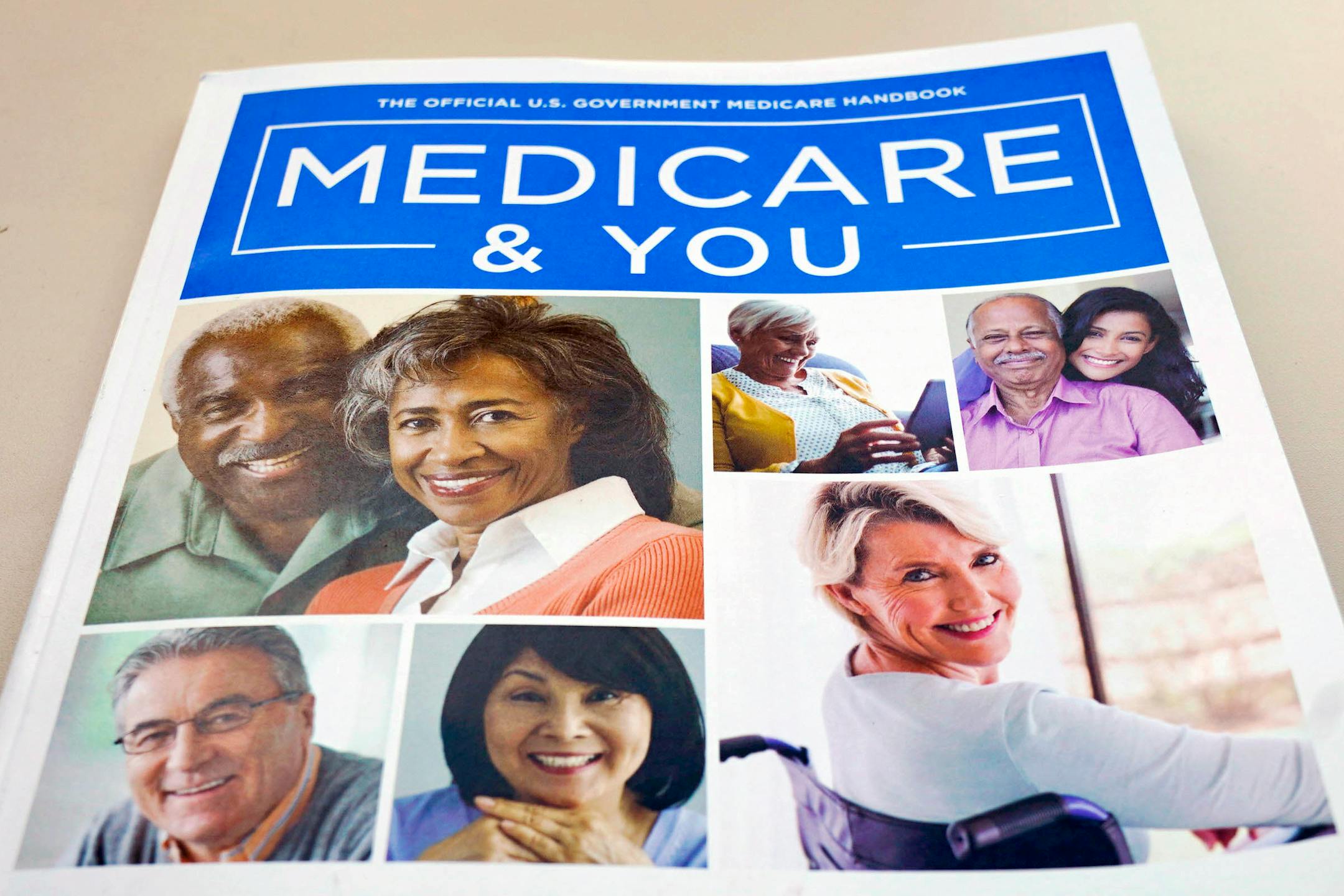
Don't miss out on Medicare savings

Awareness unfortunately lags for income-based programs available now to help seniors struggling with medical and drug expenses.

January 7, 2024 at 12:04AM
(Pablo Martinez Monsivais, Associated Press/The Minnesota Star Tribune)

Opinion editor's note: Editorials represent the opinions of the Star Tribune Editorial Board, which operates independently from the newsroom.

•••

More than a million Minnesotans rely on Medicare, the federal health insurance program that primarily serves those 65 and up. A year from now, seniors here and elsewhere should see significant savings as a historic new reform kicks in: a $2,000 yearly cap on out-of-pocket expenses for Part D, the program component providing prescription drug coverage.

This future financial relief comes courtesy of the Inflation Reduction Act, sweeping legislation passed in 2022 that included investments to boost manufacturing and clean energy, as well as pocketbook-friendly Medicare improvements. The yearly drug cost cap will take effect in 2025.

But for those currently struggling to pay at the pharmacy counter, a year is a long time to wait. Fortunately, financial aid available now could help many Minnesota Medicare enrollees with limited incomes more easily shoulder health care costs.

The average savings for Minnesotans enrolled in two key assistance programs: an impressive $6,000 a year, according to state officials.

The problem is that the public awareness of these programs too often lags. There are thousands, even potentially tens of thousands of Minnesotans with Medicare who may be eligible but haven't applied, said Kelli Jo Greiner, who serves as the Medicare program manager for the state Department of Human Services (DHS) and also works for the Minnesota Board on Aging.

"We are constantly trying to get more and more people to apply and enroll because they can save so much money," Greiner told an editorial writer. "It's incredible how much you can save."

Medicare enrollees, which include some younger people with serious health challenges, shouldn't leave money on the table, especially when many can no longer work. Those struggling should see if they qualify for these two assistance measures:

  • Medicare Savings Programs. This is an umbrella term for initiatives that "can help pay for costs for Medicare Part A (Hospital Insurance) and/or Medicare Part B (Medical Insurance) which may include help with premiums deductibles, coinsurance and/or co-payments," according to the federal agency that administers Medicare.
    • Part D Extra Help. Again, Medicare Part D covers prescription drugs. Extra Help can help those eligible pay for the program's deductibles, premiums and co-payments.

      It's important to note that both programs are income-based. Currently, the Medicare Savings Programs' monthly income limit for an individual applicant is $1,660 and $2,239 for a married couple living together.

      For Part D Extra Help, yearly income limits are $21,870 for singles and $29,580 for those who are married and live together.

      Yes, those income levels are low: The state's median household income was $84,313 in 2022 dollars. But those Minnesotans who are struggling the most economically can benefit the most from savings on health care costs.

      Each program has asset limits as well. But these may be more generous than many people assume. Assets excluded from eligibility calculations include "your primary home, one car, burial plots, and life insurance with a cash value of less than $1,500," according to the National Council on Aging.

      Greiner also notes this important point: "There is no asset recovery."

      DHS is legally required to try to recover some health care costs from the estates of some who were enrolled in Medical Assistance (a separate program from Medicare). Among them: those who were 55 and older and received long-term services and supports.

      The same collection process does not apply to those receiving assistance through Medicare Savings Programs and Extra Help. Misconceptions about this could be why some people have not taken advantage of the two programs.

      Potential enrollees do need to apply for assistance and do so yearly to continue it. Free help navigating this process is available from Minnesota's Senior LinkAge Line at mn.gov/senior-linkage-line/ or by phone at 1-800-333-2433.

      Regrettably, the application process for the Medicare Savings Programs is still paper-based in Minnesota. Applicants, however, can go online and download this form at tinyurl.com/MedicareSavingsApp.

      Or they can request a form from their county, with the application arriving by regular mail. To find your county's contact information, go to tinyurl.com/MNCountyDirectory.

      Thankfully, online application is available for the Part D Extra Help program at tinyurl.com/PartDExtraHelp. If you need assistance filling it out, call 1-800-772-1213 to set up an appointment.

      Another important point: Greiner said the two programs are available to those enrolled in Medicare Advantage programs, which are administered by private insurers, as well as those relying on traditional Medicare.

      Help is available and more is on the way in 2025 for Medicare enrollees struggling with costs. But a few steps taken now could make medical care significantly more affordable in 2024 for many in Minnesota.

      Editorial Board members are David Banks, Jill Burcum, Scott Gillespie, Denise Johnson, Patricia Lopez, John Rash and D.J. Tice. Star Tribune Opinion staff members Maggie Kelly and Elena Neuzil also contribute, and Star Tribune CEO and Publisher Steve Grove serves as an adviser to the board.

      about the writer

      about the writer

      Editorial Board

      See Moreicon