

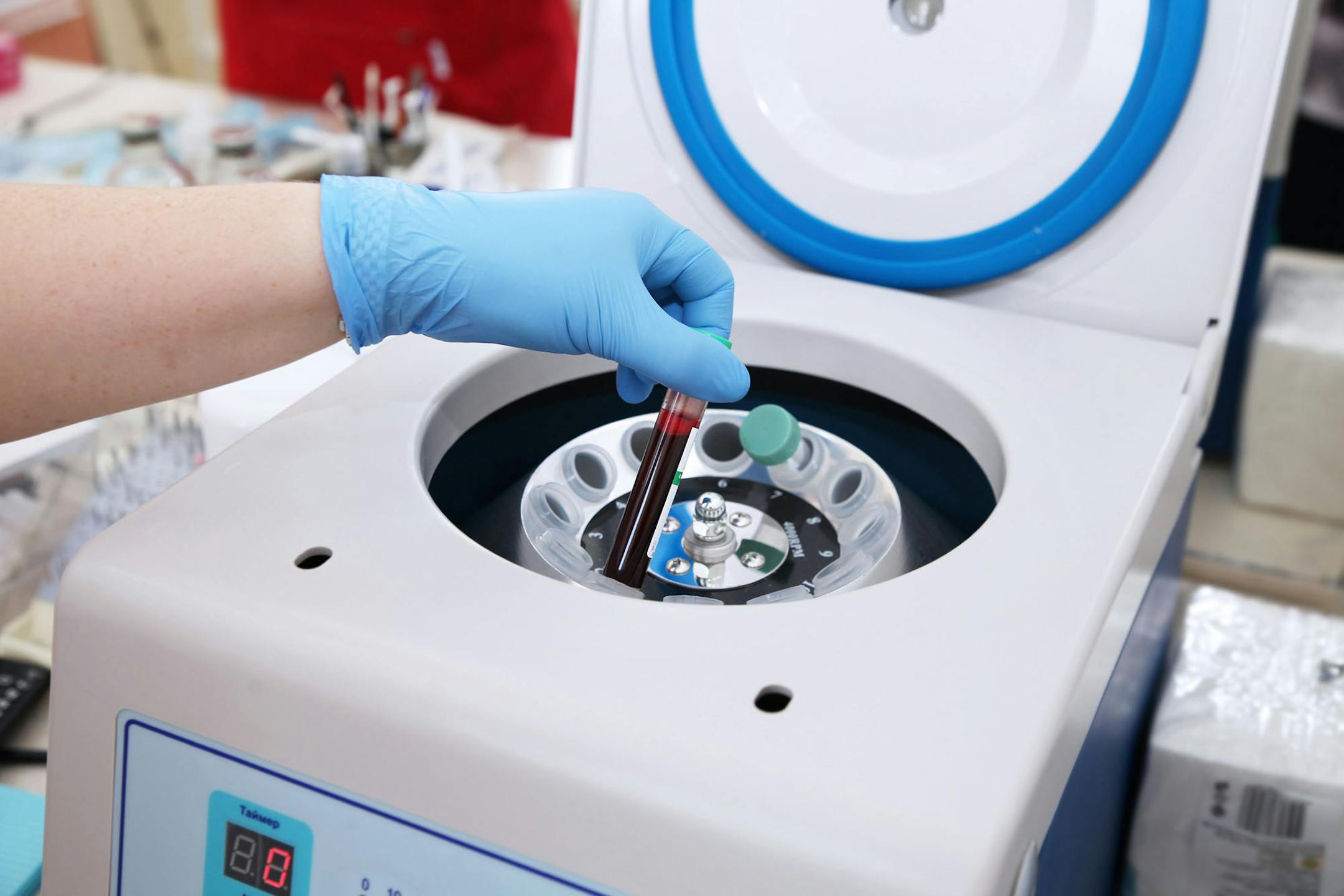
News of a promising plasma therapy for COVID-19 brought hope to Kimberly Oleson, so she enrolled her parents. They both have COVID-19, and her father was near death on a ventilator.
Then came the wait. Days passed, and no plasma. Oleson's father lingered in intensive care at North Memorial Health Hospital. Her mother's health worsened and required hospitalization last week, too.
A clinical trial organizer by profession, Oleson grew impatient, hoping that the plasma could work as proposed by researchers — triggering the faster release of key immune system cells to beat back the COVID-19 virus.
"If there is a way to bring these super-fighters on board a little earlier, that could be helpful," she said.
Delays have complicated the launch of a national clinical trial by Mayo Clinic in Rochester to extract plasma that is already primed to fight COVID-19 from people who have recovered from their infections. One limiting factor has been access to confirmatory COVID-19 tests to ensure donors are no longer infected.
Another has been that donors have to be virus-free before they can donate.
"COVID has not been in Minnesota with large numbers thankfully, so we have to wait … for people to be done and be well before they're able to be brought in to donate," said Dr. Scott Wright, director of Mayo's human research protection program.
Mayo is hopeful that such startup issues have been resolved and that donations will surge for a therapy that could prove vital in battling COVID-19, an infectious disease that for now has no proven treatment.


