

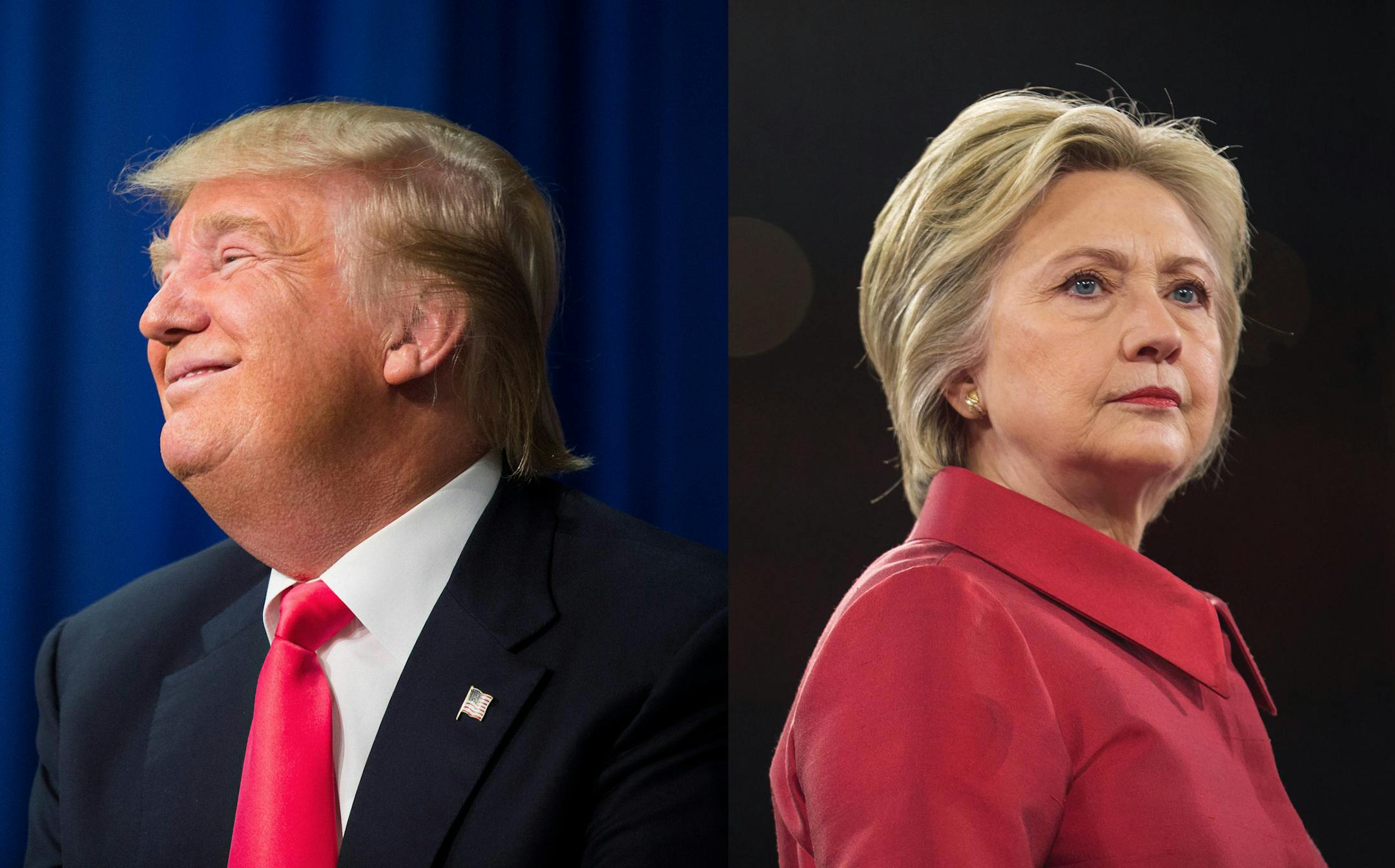
Now that Sen. Ted Cruz of Texas has announced Carly Fiorina as his vice presidential pick — an unusual move for a presidential candidate trailing in the polls and weeks out from his party's convention — speculation will inevitably follow about who front-runners Hillary Clinton and Donald Trump might select as running mates. Not only should they follow Cruz's lead, they should go a step further and, well before Election Day, publicly name the individuals they'd appoint as Cabinet members.
That Cruz's approach isn't already the norm is a weakness in the way we choose our chief executive.
The American public deserves to have at least a sense, before ballots are cast, of those who would hold the most powerful positions within the next administration. This is particularly true for the departments of State, Treasury, Defense and Justice, whose leaders are invested with authority over many of the core activities of the country — everything from negotiating treaties to overseeing federal criminal investigations at the highest level.
But not just the big four: the secretary of Health and Human Services oversees the single-largest slice of total federal spending; and the need for a competent and experienced secretary of Homeland Security is self-evident in an era when border security and the threat of terrorism weigh on citizens' minds. Even the seemingly smaller Cabinet portfolios can wield influence over major areas of public policy, including energy, transportation andlabor. And all Cabinet members, by statute, are in the line of succession to the presidency.
So why aren't Cabinet picks announced beforehand? Some explanations make more sense than others.
One potential argument is that the official transition period before Inauguration Day is needed to sort out the complexities of staffing the sprawling federal government. The transition is, as Max Stier of the Partnership for Public Service recently noted, "the most important takeover of any organization in history." But while several weeks may indeed be required to fill the range of executive-branch appointments, senior-most officials could be named much earlier. Identifying Cabinet secretaries earlier would enable them to be more actively involved in the broader staffing of their departments, thereby easing the transition period.
Other considerations would be more overtly political. The prospect of a plum role in the next administration surely motivates potential officeholders to devote their energy and enthusiasm to presidential candidates and their parties, and doling out the spoils of victory too early could blunt the support of campaign surrogates who wind up being passed over for top jobs.
Naming the Cabinet earlier would also complicate the respective candidates' narrative and message. Think Sarah Palin, and you don't have to imagine the jolt that certain vice presidential selections can cause. Then extend that to a list of a dozen or so names. Every gaffe by a prospective secretary could generate distracting campaign-trail headlines.


