

Those who served our country shouldn't be standing in line for months for medical care after they arrive back home. With the U.S. Congress moving quickly to approve reforms, the challenge now is to resist the temptation to declare "mission accomplished'' and move on once the spotlight fades.
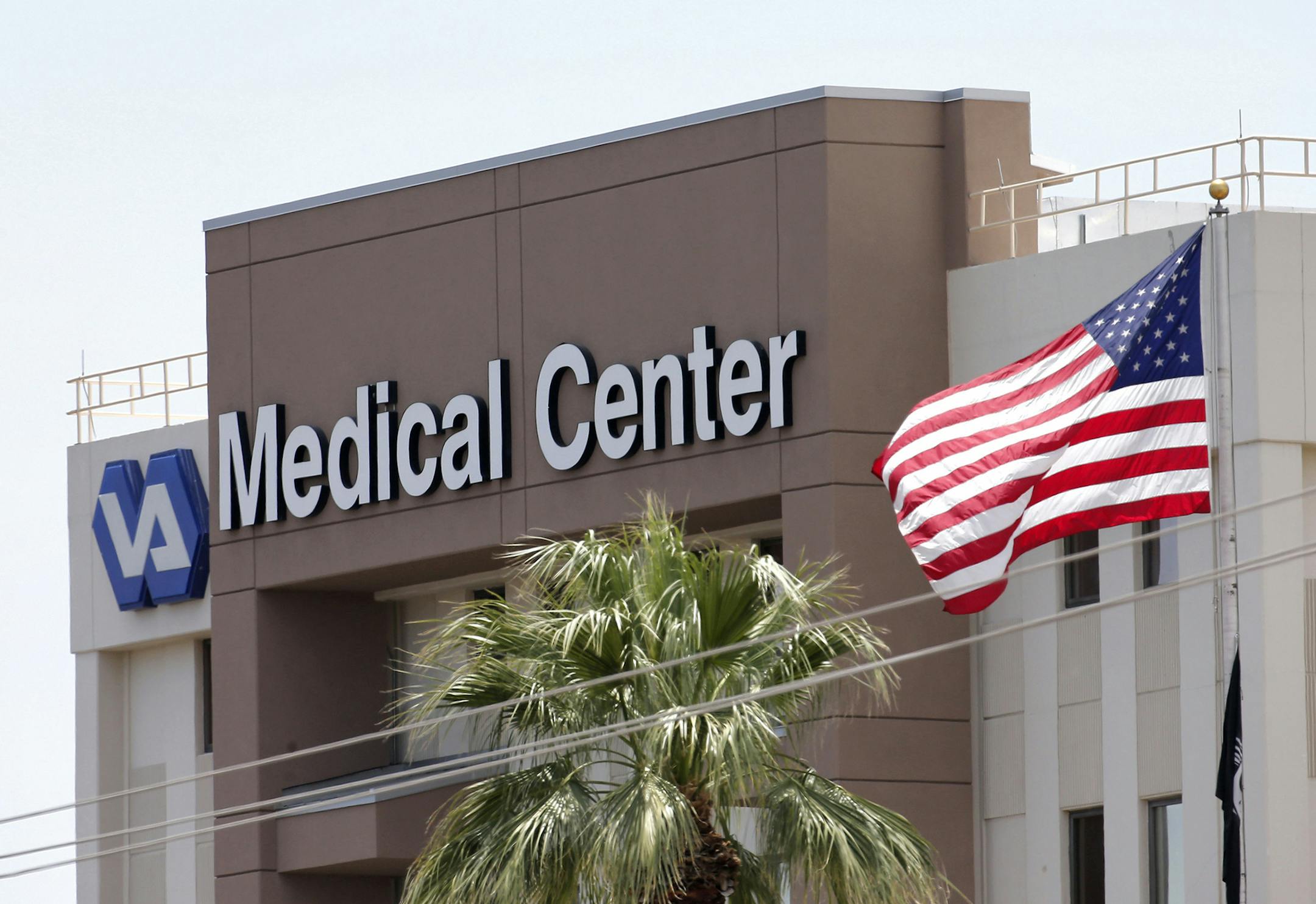
Even as the problems that led to shocking wait times at Department of Veterans Affairs (VA) medical facilities are getting fixed, the national scandal that erupted this year over delayed care at locations in Phoenix should continue to be a tragic reminder of what happens when "support the troops" talk isn't followed by action.
Subsequent scrutiny of VA clinics and hospitals elsewhere revealed that wait times weren't a problem only in Arizona. Long delays in accessing care appeared to be a systemic deficiency nationally, with a few locations, such as those in Minnesota, appearing to be better-managed.
The package of reforms Congress considered this week is a worthy effort that will improve timely access to medical care for veterans. Key improvements: creating an additional 27 "major new medical facilities" within the VA system and expanding veterans' access to private doctors.
But the reforms should be seen as a first step toward ensuring that the VA can meet the significant challenges posed by younger generations of veterans now seeking its services. The nation's lawmakers must continue to scrutinize VA medical facilities to understand their evolving demands and need for resources.
The reform package was one of the last pieces of business taken up this week by the U.S. House and Senate before a break. A deal bridging the differences between versions of VA reforms previously passed by the two chambers was announced Monday by Vermont Sen. Bernie Sanders, an independent, and Florida Rep. Jeff Miller, a Republican. The House and Senate must both approve the compromise. The House did so Wednesday by a 420-5 vote. The Senate is expected to take up the measure Thursday.
Fortunately, the common ground forged by Sanders and Millers contains a lot of common sense.
In addition to the 27 new VA medical facilities, the roughly $16.3 billion package would smartly expand access for veterans to private medical doctors, something this page has previously called for. It also would authorize the VA to hire more doctors and nurses, as well as expand loan-repayment incentives for providers who take jobs in the VA system, which are often lower-paying.


