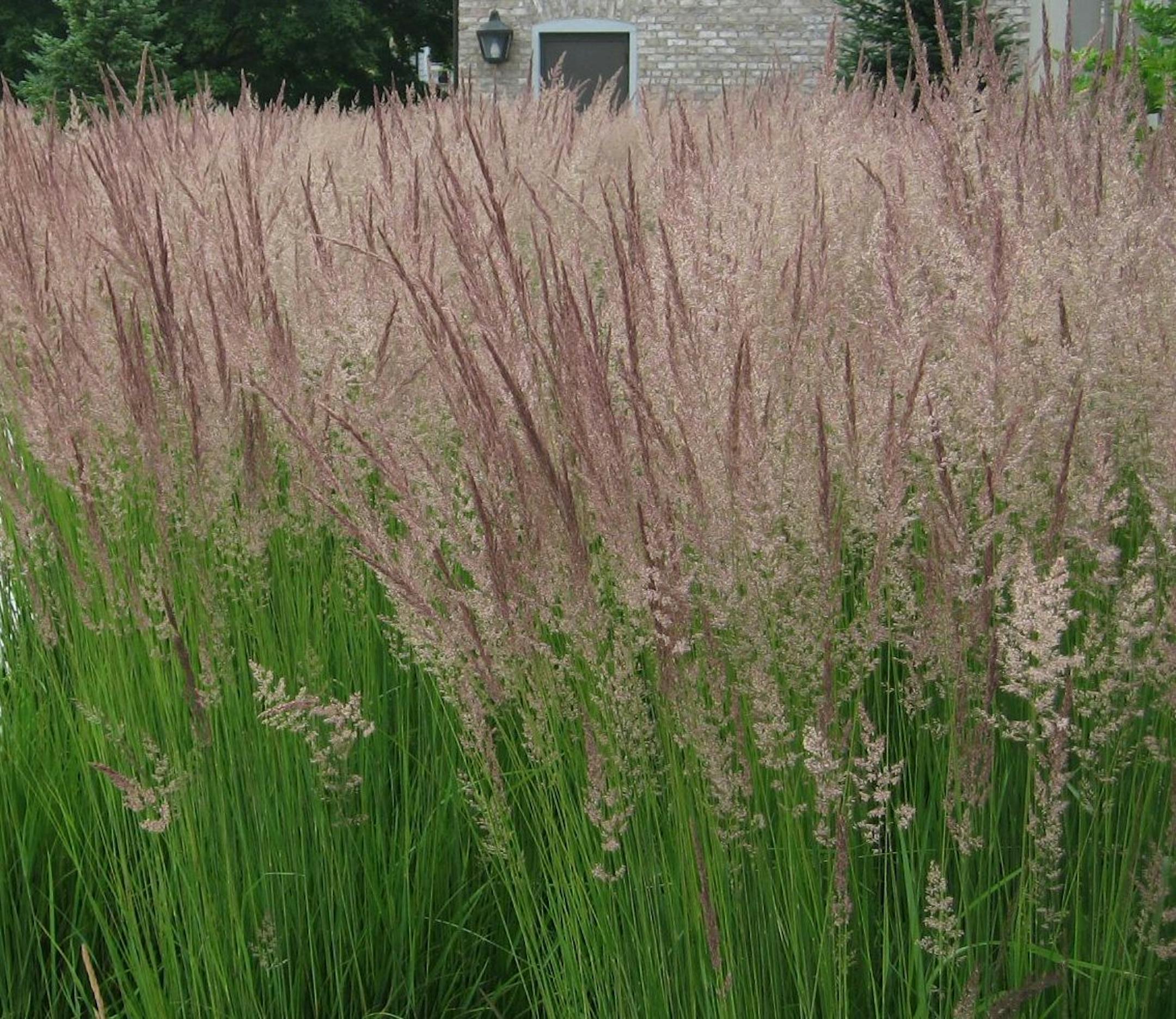
Ornamental grasses get no respect, according to some garden experts.
"People are captivated by plants with big, showy, colorful flowers like peonies and iris," said Mary Hockenberry Meyer, professor and extension horticulturist at the University of Minnesota and all-around grasses expert. "So they tend to overlook grasses."
Lots of gardeners — you know who you are — would rather fill their beds with vibrant phlox than a finely textured clump of prairie dropseed. Seems like all we care about is strategic continuous color from June to September.
Maybe this article will change your mind.
There's lots to love about ornamental grasses. For starters, varieties native to Minnesota are good for the environment. Plantings provide habitat and food for birds, bees and wildlife and restore some of the prairies we've lost. Once plants are established, they don't need a lot of water. Grasses have thick roots that minimize soil erosion. And they're naturally critter-resistant. White-tailed deer treat them like broccoli on the plate of a 5-year-old.
Aesthetically, it's easy to get hooked on ornamental grass varieties for their tassel-like plumes, fine texture and movement on breezy days. Some sprout spikes of tiny flowers.
Grasses add height among swaths of perennial flowers and display nuanced color changes with the seasons.
For time-strapped gardeners, they're also super easy to maintain — the biggest chore is cutting down old growth in the spring.