

The Italians have a phrase, si non e vero e ben trovato, which roughly translates as, "If it isn't true, it ought to be."
If only the critics who decry the inaccuracies to be found in recent movies could take that attitude. Whether dealing with outer space, the Southern slave trade, Somali pirates or Walt Disney, films have been called out this year for the least deviation from "reality" (a word Nabokov insisted routinely belongs within quotation marks).
Unless specified as documentaries, feature films are intended to be viewed as stories. Even films beginning with such disclaimers as "based on a true story" or "inspired by a true story" are putting the viewer on notice that the truth has been dramatized, which usually means made more exciting.
To come along after and point out these liberties as if they were faults is to misconstrue the nature of fiction. All fiction is fact distorted, whether we are talking "Moby-Dick" or "American Hustle." And there is always an agenda: the author's. He or she may wish to advance a political view, a philosophical conviction or merely to improve on reality, but all fiction is reality reassembled.
When liberties have been taken in a novel with historic roots, the book is labeled historical fiction. Reading such a novel, we understand that real events have been recombined, manipulated and very possibly distorted. It didn't happen this way, the author allows, but perhaps it should have.
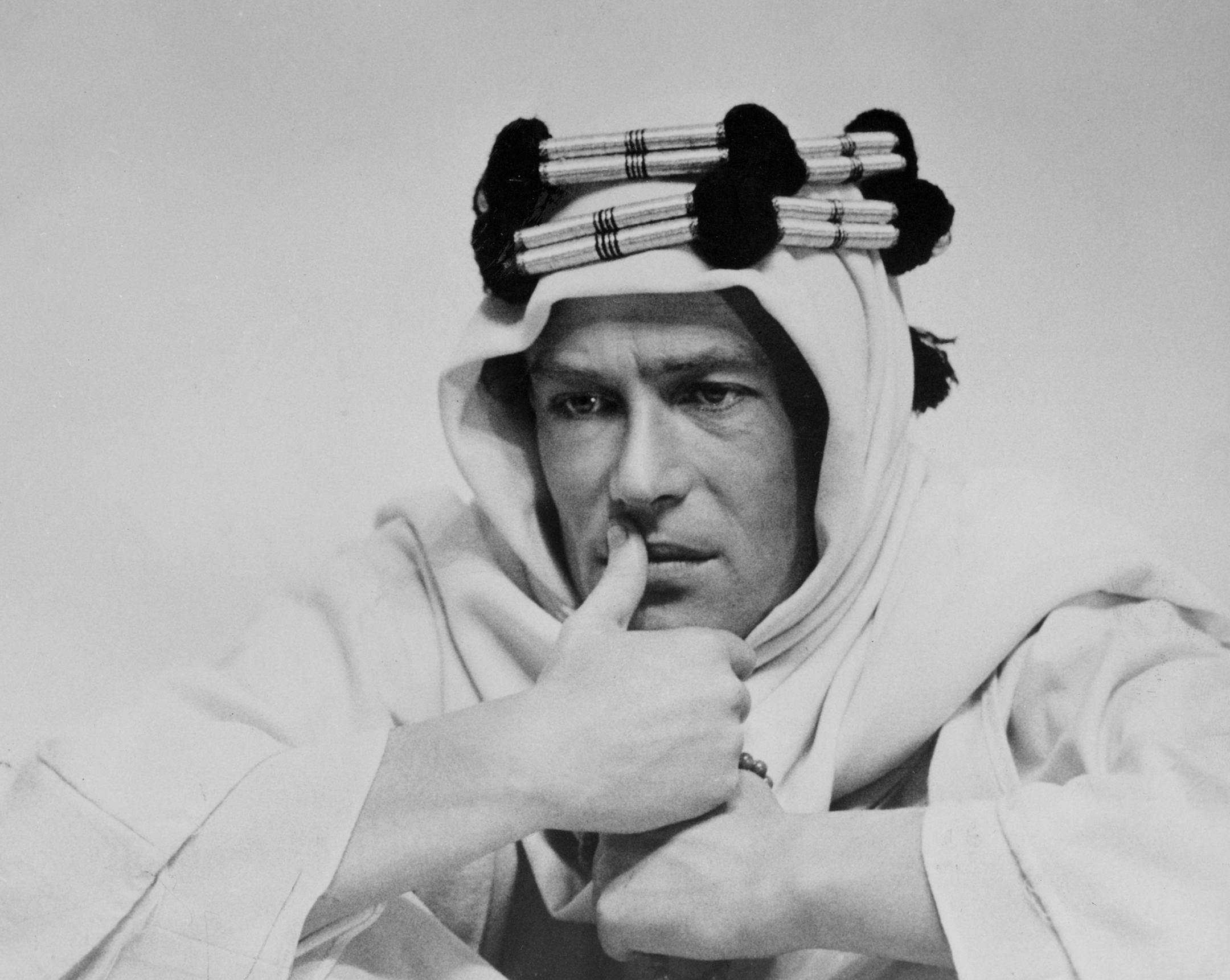
Movies, it seems to me, should be judged by the same criterion. In David Lean's masterful epic "Lawrence of Arabia," Lawrence's men cheer him when he returns from the desert, having single-handedly ventured back into that treacherous sea of boiling sand to rescue the unfortunate Gassim. With this act of derring-do, Lawrence's reputation is cemented, his heroic leadership role assured.
In fact, as I have learned from Scott Anderson's nonfiction account, "Lawrence in Arabia," Lawrence (not the willowy 6-foot Peter O'Toole but the fireplug 5-foot-1 reality) was greeted with rage and derision by his troops for having foolishly risked his life to save a worthless ruffian.
Which version makes a better scene?


