

Minnesota has not been in the vanguard of states softening their hard line against marijuana — and judging from the resistance a medical-marijuana bill is encountering this year at the Capitol, it won't move to the leading edge anytime soon.
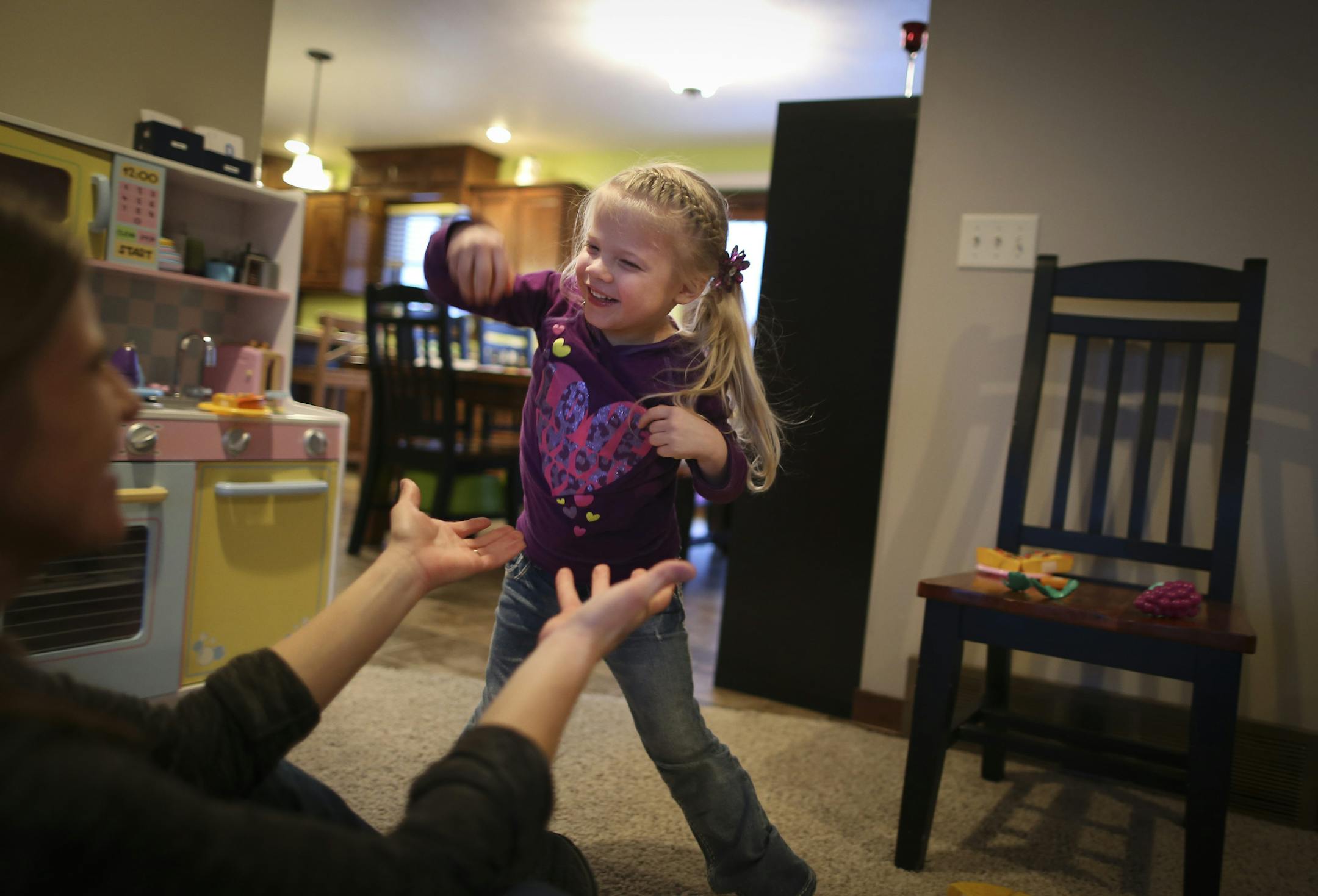
But surely Minnesota lawmakers have hearts and policy tool kits big enough to do something for 7-year-old Amelia Weaver and her family. Dravet Syndrome is plaguing Amelia with 30 or more seizures per day, robbing her of her faculties and, unless they can be stopped, shortening her life. A non-psychotropic derivative of marijuana, legal only in medical marijuana states, can reduce or prevent seizures and restore lost function in children with her diagnosis. Nothing else prescribed to date does, attests her mother, Angie Weaver, of Hibbing.
The Weavers don't want to leave a job with good health insurance and their network of supportive friends and family. But unless the marijuana derivative becomes legally available in this state, the Weavers say they will move soon to a state where it is. They believe Amelia's life depends on it.
The Weaver family led a parade of sick and injured pleaders at the House Health and Human Services Policy Committee last week. Each in turn begged for safe, legal access to a product that they say eases chronic pain, revives lost appetites, slows the vision loss of glaucoma, calms the post-traumatic stress of combat veterans, stops the crippling spasms of muscular dystrophy and hastens recovery from brain injuries — all more effectively and with fewer adverse side effects than prescription drugs they've tried.
The House policy committee was sold. It gave bipartisan blessing to a bill that would allow physicians to prescribe marijuana in all its forms for a range of conditions (see accompanying text) and for the weed itself to be grown or sold by regulated dispensaries to prescription holders and/or their card-carrying caregivers. The bill is modeled on best practices gleaned from 18 years of experience with legal medical cannabis in 20 states and similar to bills under consideration this lawmaking season in at least a dozen more.
But the bill stalled this week. Sponsor Rep. Carly Melin, DFL-Hibbing, postponed a scheduled hearing in the face of opposition from the state's chief law enforcement organizations and Gov. Mark Dayton. Weekend negotiations between advocates and opponents of the bill faltered on several points, including whether dried cannabis could legally be consumed via vaporization, or "vaped."
The DFL governor has long said he will take his cue from law enforcement on the issue. But he told the Star Tribune Editorial Board this week that he's also reluctant to legalize a drug that has not been subjected to rigorous medical testing or granted Food and Drug Administration approval. (See the commentary on the opposite page.)
That's a Catch-22 argument. Marijuana isn't tested because federal regulators have made it a Schedule I controlled substance, unavailable for testing. Marijuana landed on the Schedule I list for reasons that today appear more cultural and political than medical. Congress and federal rule makers ought to reconsider that decision.


