

Every now and then I hear a student express concern about making a career in taxation. After all, in a Congress where there would be vehement disagreement on a resolution that the sun will rise tomorrow, there is unanimity that our tax system is far too complicated and bloated. There is scarcely a single member of Congress who doesn't list tax reform as a top legislative priority.
Yet I respond to students with a smile and say that major tax reform not only won't happen in my lifetime, it won't in theirs, either.
The reason for my certainty is that Congress always will look out for its best interests. And no matter what Congress might say, it likes the system in its present form.
To unravel this paradox it is necessary to understand that any policy goal can be accomplished through taxation. A case in point is the individual mandate to buy insurance under Obamacare.
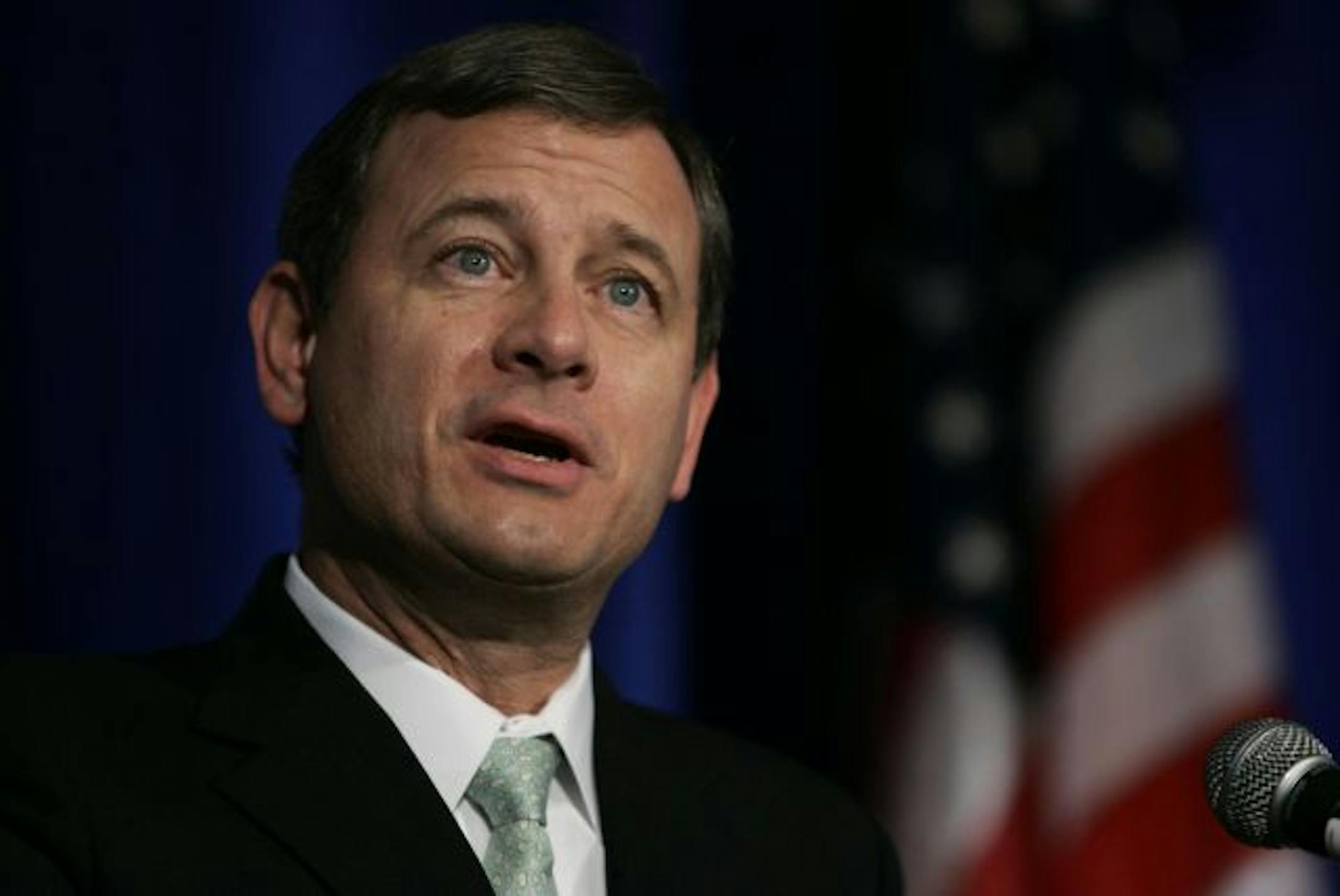
The key finding by Chief Justice John Roberts last year was that a monetary charge on those who don't buy health insurance was a tax, even though both the president and Congress had taken pains to say it wasn't one. Once Roberts found the mandate was in substance a tax, its constitutionality followed. The Supreme Court hasn't limited the congressional power to tax in more than 90 years.
Name a policy objective -- whether it's limiting abortions or persuading people to eat more spinach -- and a tax can be imposed to discourage or a credit given to encourage any course of action. Excise taxes on tobacco and alcohol are referred to as "sin taxes," with altering behavior being a prime objective. The current tax code is stuffed with incentives such as encouraging home ownership, charitable contributions and "green" initiatives in wind, solar and electric cars. There are tax breaks for education, retirement savings, health care and child care. The list of business incentives is almost endless.
It would be quite feasible to get down to a "postcard" tax return if one were willing to take away all these "incentive" provisions. But the politics of tax policy say this is a pipe dream. Once taxpayers are given a tax break, it is difficult for Congress to take it away even if it were enacted on a "temporary" basis.
The 1986 Tax Reform Act was the last time tax law was simplified. While this was not a radical change, it did significantly reduce marginal tax rates while getting rid of tax shelters that allowed the wealthy to greatly lower their liability. The bipartisan bill was revenue-neutral, but the "grand bargain" lasted only a few years. Congress couldn't resist adding more incentive provisions that necessitated an increase in the tax rates.


