

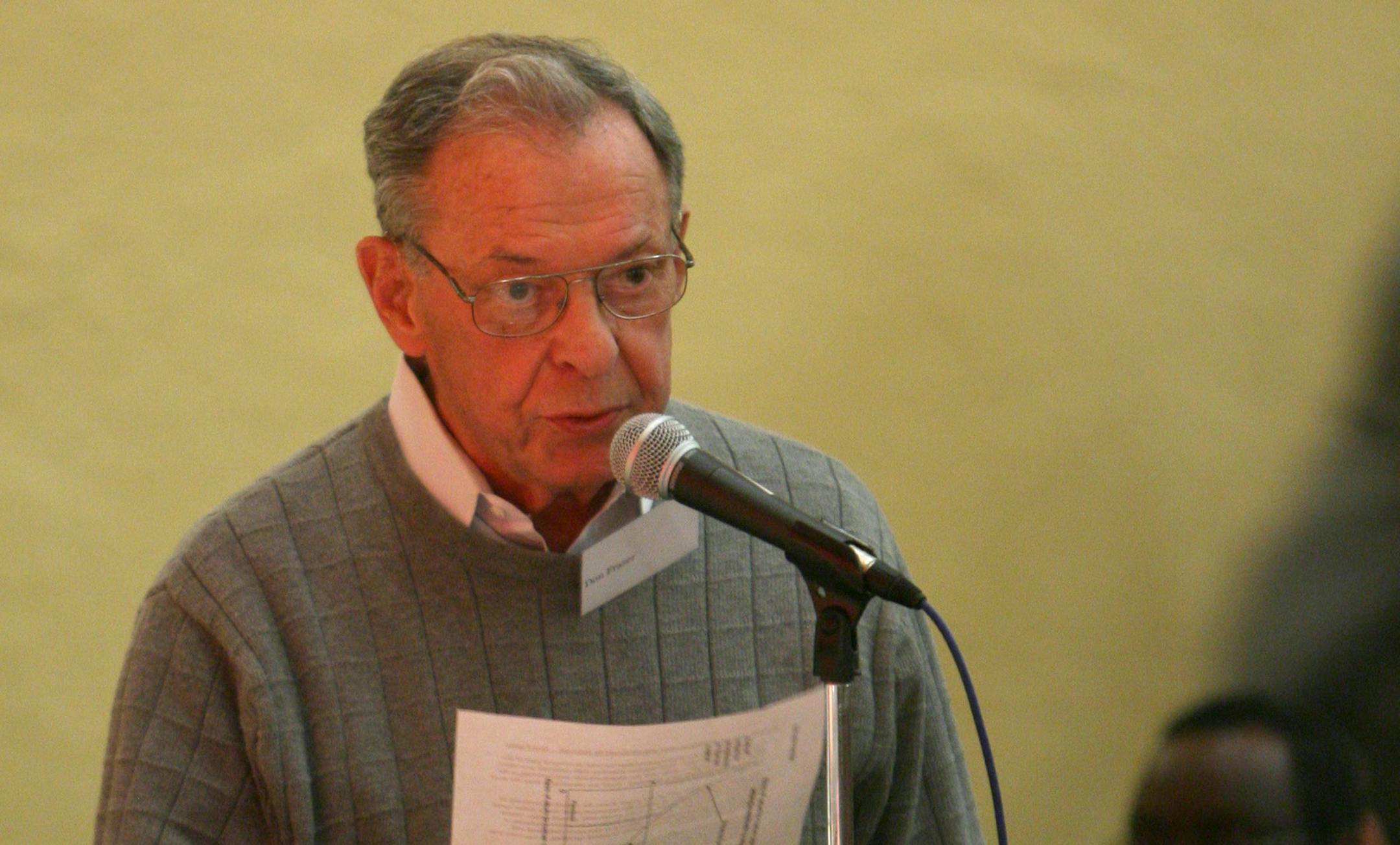
In Minneapolis, mayoral attention to city kids and their education has never been higher. But it's not new. Three decades ago, the city's longest-serving mayor, Don Fraser, was already elevating concern about Minneapolis children to the top of his agenda.
Fraser ended a 40-year career in elective office in 1993; today is his 90th birthday. But he never stopped searching and advocating for policies that would give his city's youngest residents a brighter future — or sharing his ideas with the public. I collected a few of them in a pre-birthday conversation:
Q: When you were in Congress in the 1960s and '70s, you were known for your work on human rights and political process reform. Why did you decide to focus on children as mayor?
A: We were starting to see some worrisome results. Our initial response wasn't as focused or as intense as it now needs to be.
At first, we weren't so much focused on trying to boost educational outcomes. The superintendent of schools (the late Richard Green) asked the city to help provide better access to health services for kids. We agreed that the city would finance in-school health functions for three or four of the high schools and that the school district would finance those services for the others.
Q: What inspired you to shift your attention to early childhood education?
A: There's more known about early brain development today than was then. But it was already evident that kids growing up in poor areas of the city needed more support than they were getting.
Scotty Gillette, who was working in our office, devised a plan for connecting with parents in those areas and explaining what they needed to do to work with their kids, to get them ready for school. That was the start of the Way to Grow program. Jim Renier, the CEO at Honeywell, was very active and helped us a great deal.


