

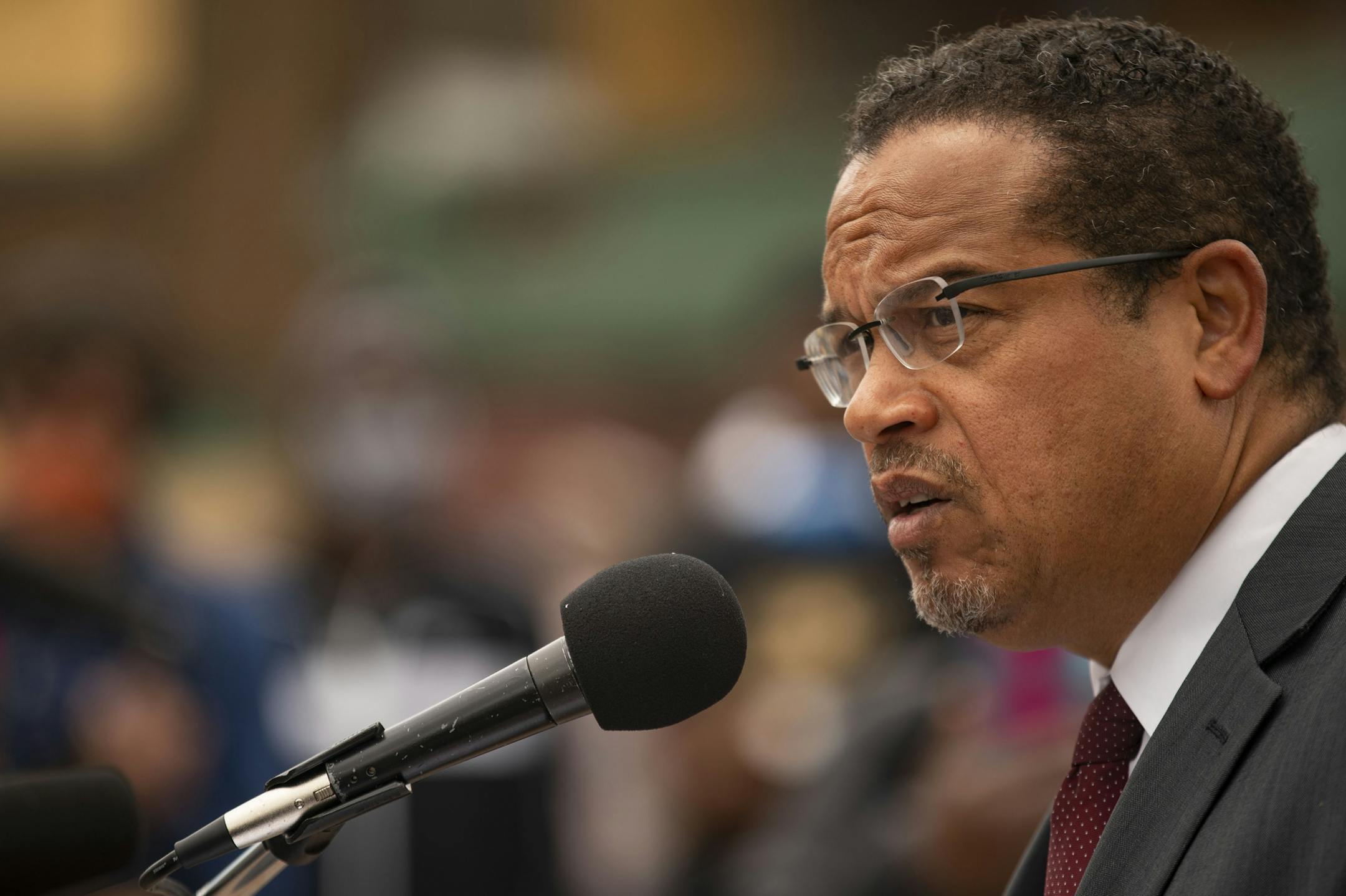
According to one fake social media account, Minnesota Attorney General Keith Ellison was plotting with antifa, and busloads of paid protesters were coming to destroy Minneapolis. Another bogus tweet claimed George Floyd's death was staged to promote the breakdown of society.
Meanwhile, readers of state-run media in Russia, China and Iran were fed a steady stream of news stories that carried histrionic headlines such as, "AMERICA IN CHAOS."
The May 25 killing of George Floyd by Minneapolis police sparked a torrent of disinformation at home and intense coverage by state-sponsored media abroad seeking to undermine U.S. credibility. Federal law enforcement officials and researchers across the country found no evidence of foreign meddling in the immediate aftermath of Floyd's death. But last week, several U.S. senators warned that foreign actors were using the ensuing unrest to sow discord.
Russian operatives have deployed such tactics in recent years, but much of the early disinformation surrounding Floyd's killing seems to have originated in America. Foreign actors have seemed content to simply highlight existing unrest in Minnesota and elsewhere.
Taken together, the fake domestic reports and increased scrutiny by foreign sources add to a tinderbox of instability during an election year that intelligence officials had already warned would be rife with attempts both inside and out to sow division.
"The more unrest there is and the more potential for violence there is — that's in the interest for actors who want the U.S. to be as unstable as possible," said David Malet, an American University professor.
According to a U.S. Department of Homeland Security bulletin obtained last month by publicintelligence.net, federal law enforcement and intelligence authorities were aware of "covert proxies and social media accounts" working in lockstep with foreign adversaries' state-controlled media to paint the U.S. in a negative light. Law enforcement monitoring the unrest feared that the campaign could spill over into violence.
"Russian influence actors, in particular, have a history of using online tools to covertly amplify content concerning protest activity in the United States, including rhetoric that may seek to incite violence at such events," the bulletin read.


