

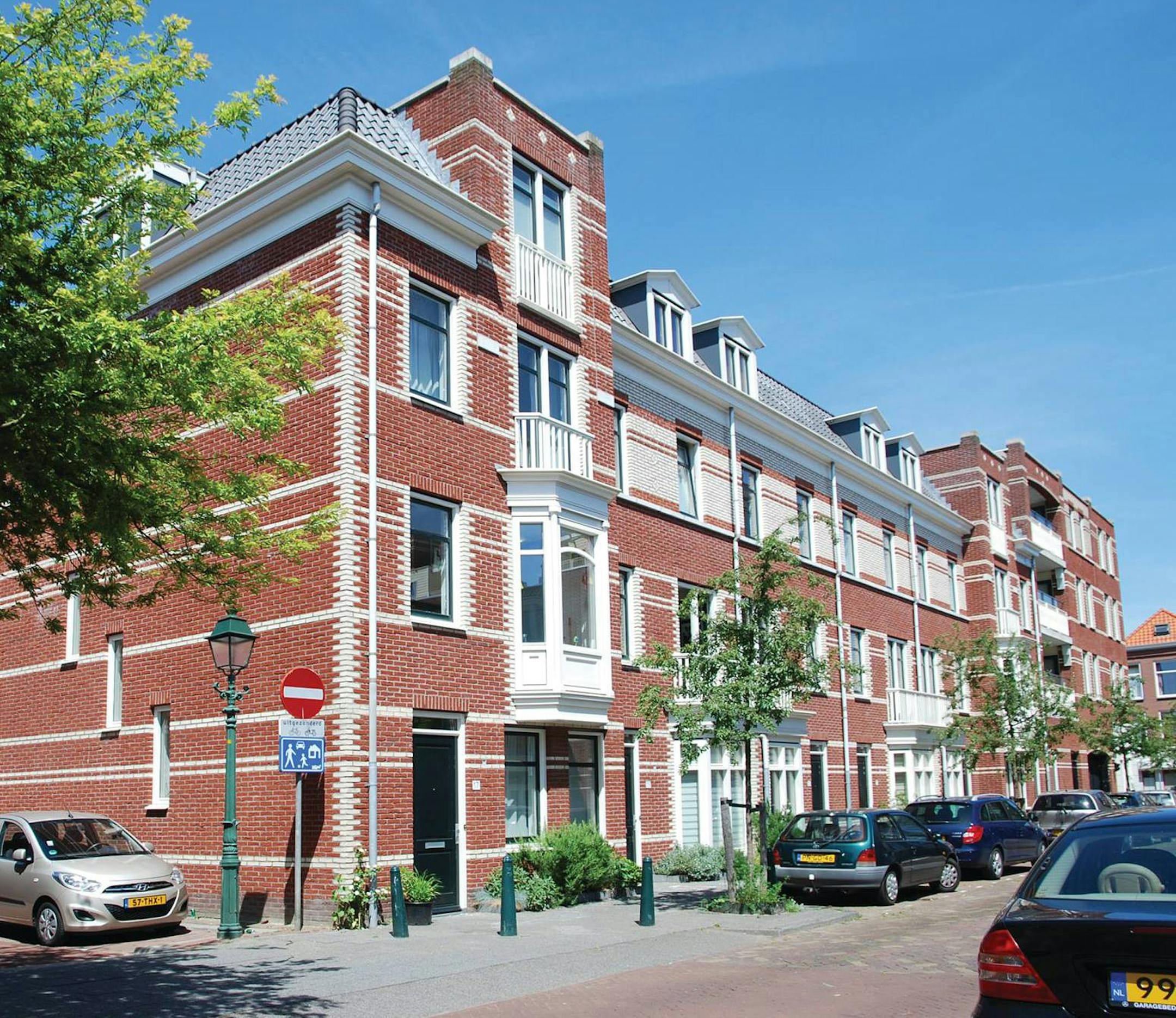
A lot of apartments have gone up in the Twin Cities since the Great Recession, and yet, despite all of that construction, there remains relatively little diversity among them.
Most of the new buildings aim for a fairly affluent market, with far too few affordable units in the mix. And most have a rather repetitive layout — with combined living and dining areas, a kitchen open to both, and one or two bedrooms with a bathroom and laundry space.
But as our region becomes more diverse, there's a growing mismatch between what many people want and can afford and what the market seems able to provide. Other cities have done a much better job of meeting the housing needs of their population. We have a lot to learn from them.
Take, for instance, the Dutch.
An exhibit now on display at the Goldstein Museum of Design at the University of Minnesota shows how Dutch cities comparable in size and in wealth to our own, such as Amsterdam and The Hague, have developed policies and plans that provide housing for people of all incomes, with diverse needs.
Like Americans, the Dutch depend on the marketplace to deliver most of its housing. But unlike us, governments in the Netherlands ensure that private developers provide units affordable by all, and accessible to all, through housing corporations. These corporations oversee rental properties, while owners' associations oversee owner-occupied units.
To get government support, these entities have to follow public guidelines that go far beyond the typical zoning requirements in the United States.
Developers must:


