LOS ANGELES – Documentarians can be a dogged bunch, but put a prize in their path, and you'll really find out how relentless they are.
With the recent announcement of the 15 documentary features on its shortlist of Oscar contenders, the Academy of Motion Picture Arts and Sciences unleashed one of its most fearsome rites: a sharp-elbowed stampede by nonfiction filmmakers for one of five nomination slots that can save their pictures from obscurity.
The documentary competition has been growing more rambunctious as nonfiction film has evaporated from theaters. This year, only one — Disney's "Bears," with $17.8 million in domestic ticket sales — clawed into the box office Top 100 (No. 96). That economic reality has put extreme pressure on directors, producers and distributors to score a nomination. Oscar recognition, even just a nomination, should bring enough attention to grab viewers through video-on-demand and subscription services.
"The challenge with documentary is always getting people interested, and a nomination can work wonders," said Genna Terranova, director of the Tribeca Film Festival.
This year, more than any in memory, Terranova said, the shortlist field is exceptionally strong, heightening the competition.
Even with her famous family name and stature as a member of the Academy's documentary branch executive committee, Rory Kennedy, for instance, was quick out of the gate after her "Last Days in Vietnam" made the shortlist. The day after the list was released, she sent invitations to a "Last Days in Vietnam" holiday party at the Chateau Marmont.
The flip side of the shortlist's importance was evident in the Academy's snub of "Red Army," about Soviet-era hockey players. Sony Pictures Classics immediately pushed back its planned rollout of the movie.
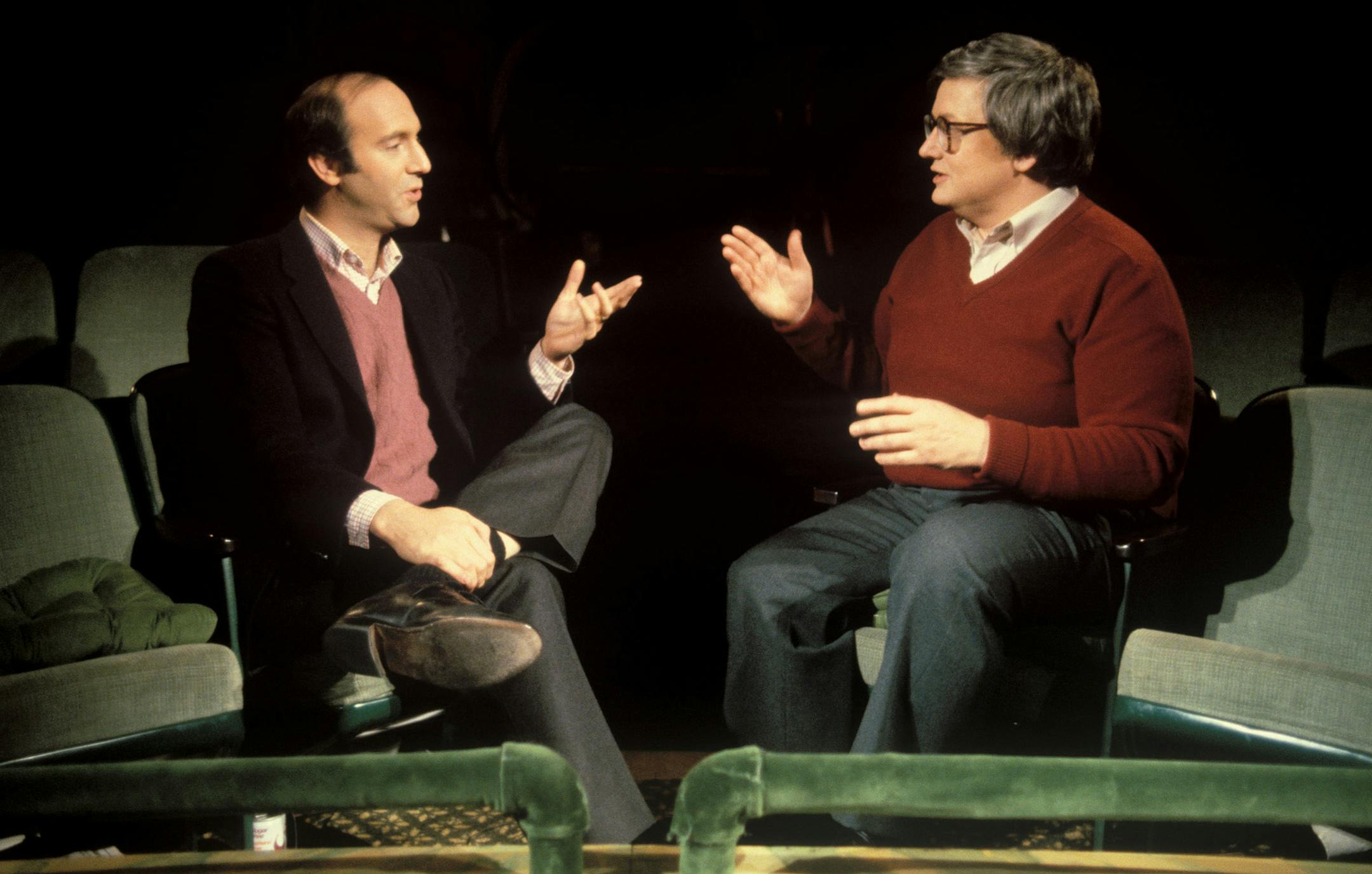
Among the shortlisted films — winnowed from 134 eligible — there are various tensions: award stalwart (the Weinstein Co.) vs. deep-pocketed newcomer (Netflix), and the legacy of Roger Ebert vs. a nephew of his reviewing partner, Gene Siskel.