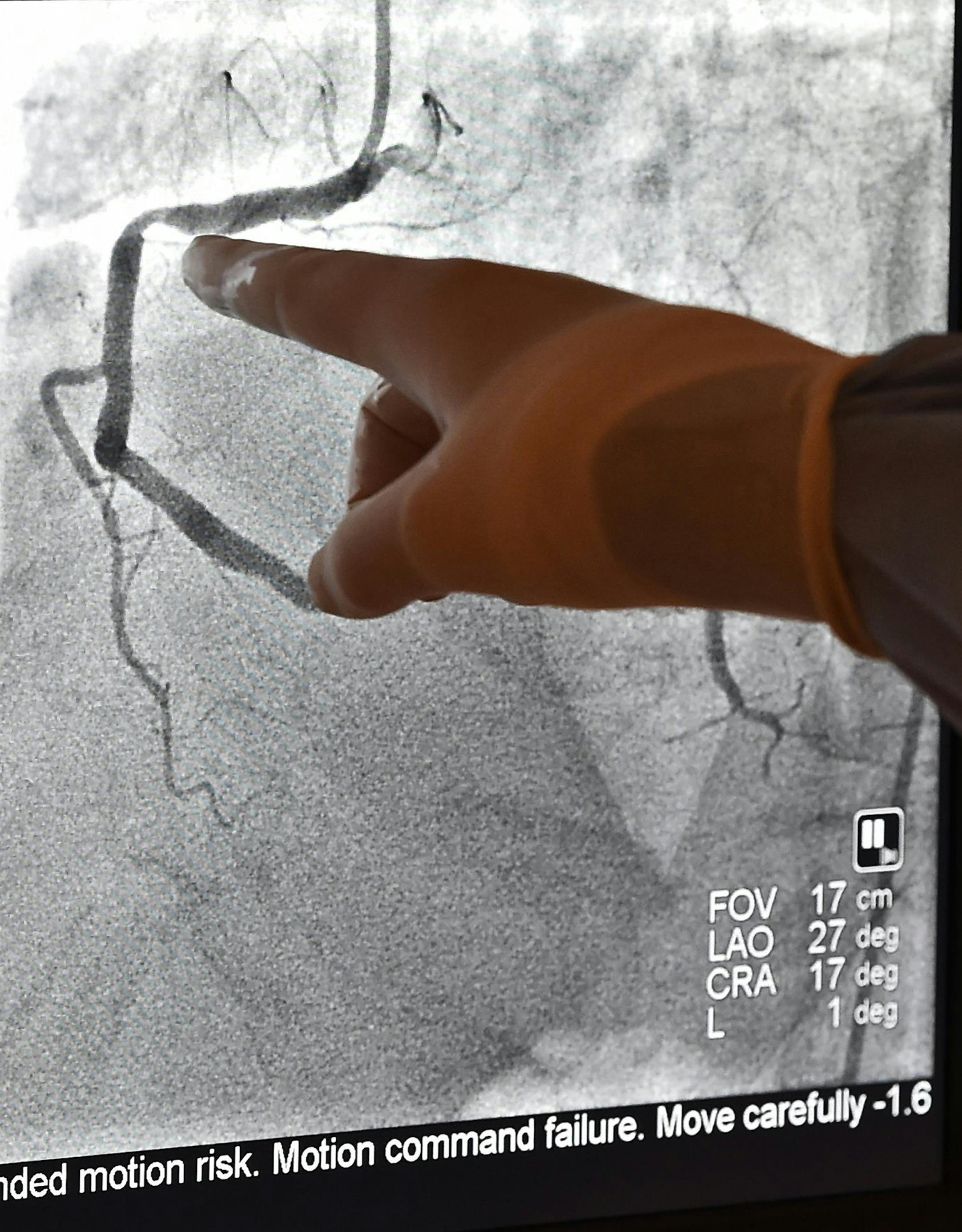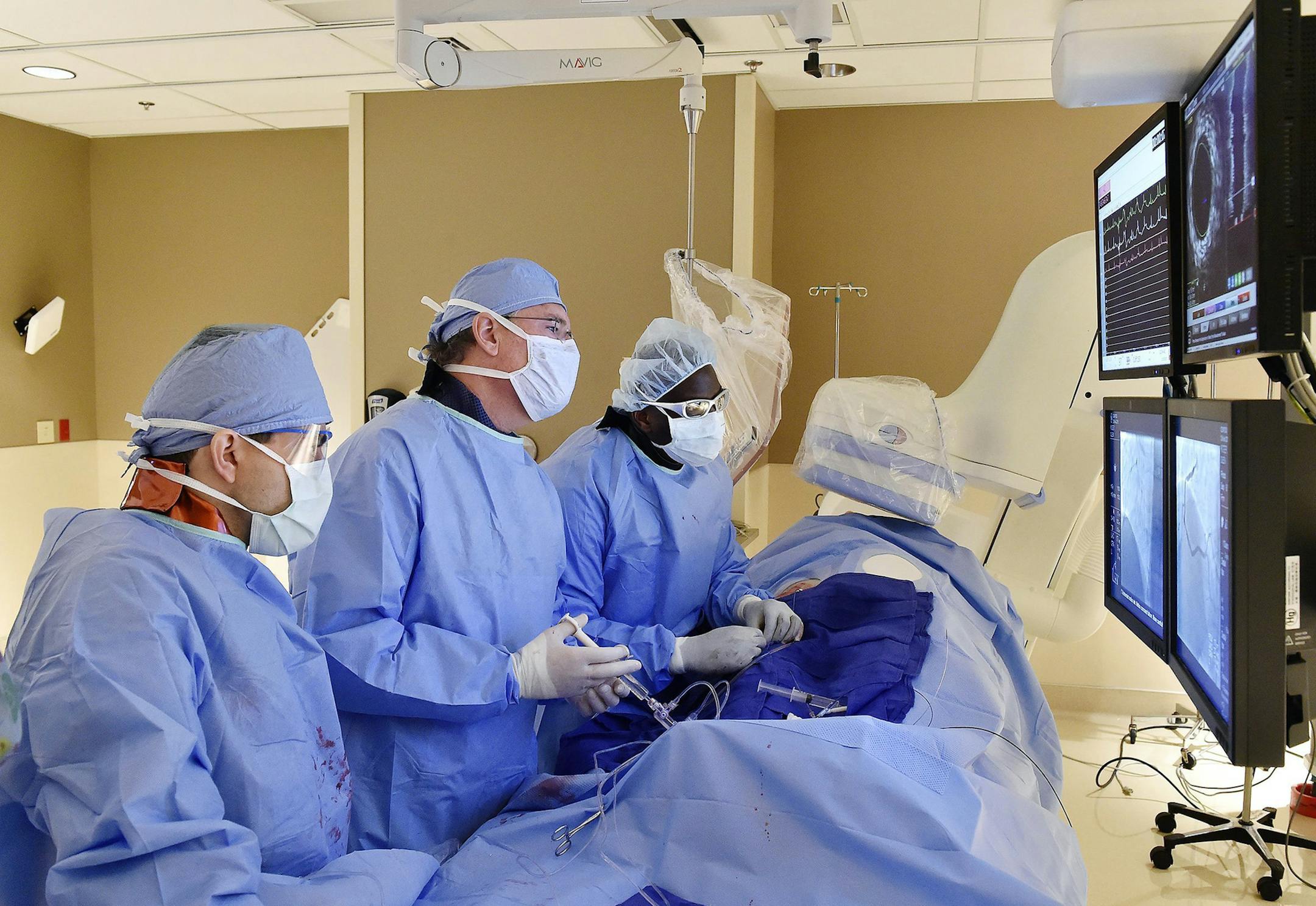
When clots block your heart arteries, you have a heart attack. So it only makes sense that an angioplasty to widen your narrowing arteries before you have a heart attack should prevent it from ever happening and even save your life.
Plenty of patients, and even some heart specialists, still think so. But study after study has been showing that the conventional wisdom is wrong — in most cases, the operation won't protect you from a future heart attack.
The mounting evidence, along with new treatment guidelines, have been causing a quiet revolution in the treatment of coronary heart disease, shifting patients away from angioplasty in favor of medications, exercise and better diets.
A study published last month in the Journal of the American Medical Association finds that the number of elective angioplasties has fallen by a third in just five years. That mean tens of thousands of people are avoiding a procedure that may have done them little or no good but that costs on average $27,000 and may require years of drug therapy to avoid complications.
Meanwhile, a second new study in the New England Journal of Medicine finds that even after 15 years, patients who chose medication and lifestyle changes over angioplasty were no more likely to die than those who chose the procedure.
"This is a good news story," said John Spertus, a cardiologist and researcher at St. Luke's Hospital Mid America Heart Institute and a co-author of both studies. "It's positive for patients and for society at large that is paying for their care."
It's also been a long time coming.
Angioplasty was developed in the late 1970s, a time when doctors thought that heart attacks occurred when cholesterol deposits progressively narrowed coronary arteries, the critical vessels that supply blood to the heart muscle, until they shut off blood flow completely.