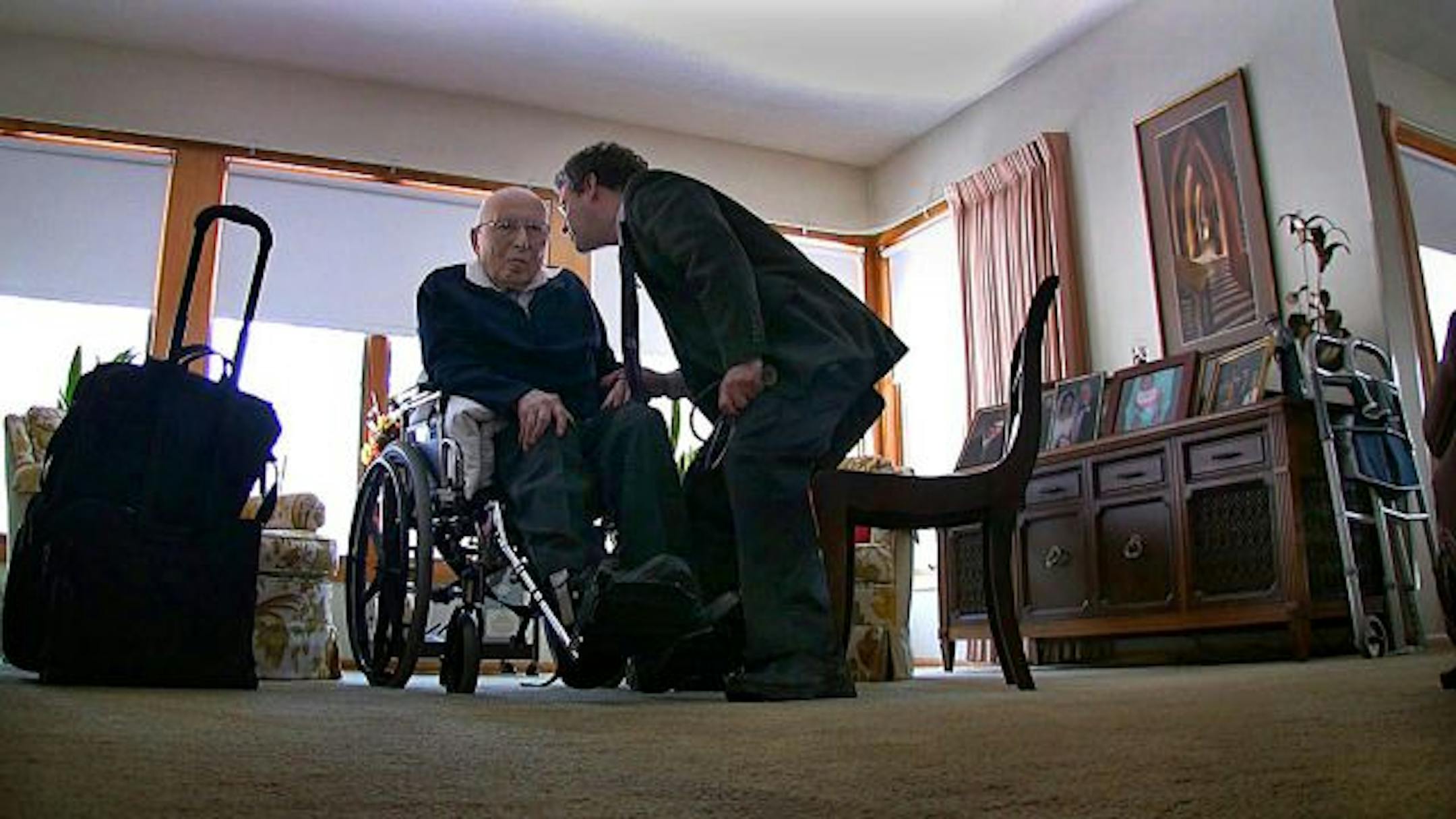
About a year ago Dr. Edward Ratner went to the home of a patient, Louis Salloway, and started counting pills.
He knew that Salloway, then 90, was supposed to be taking medication for his blood pressure.
But the pillbox told a different story. Ratner could see that Salloway was skipping doses -- there were too many pills left. That came as a shock to Salloway's family.
"My dad just kept telling us that he was taking his medication, and as family members we all believed him," said daughter Sheri Yarosh of St. Paul. "I didn't recognize that he couldn't do that anymore."
Because of Ratner, the family was able to step in and help. That, she said, is one of the benefits of having a doctor who still makes house calls.
He may seem like the last of a dying breed. But Ratner believes that house calls are poised for a comeback. In his view, they are the best and cheapest way to care for the frail elderly, especially at a time of soaring costs. In fact, Medicare paid for 2 million house calls in 2006, up from 1.5 million in 1995. A new proposal in Congress could open the door to many more.
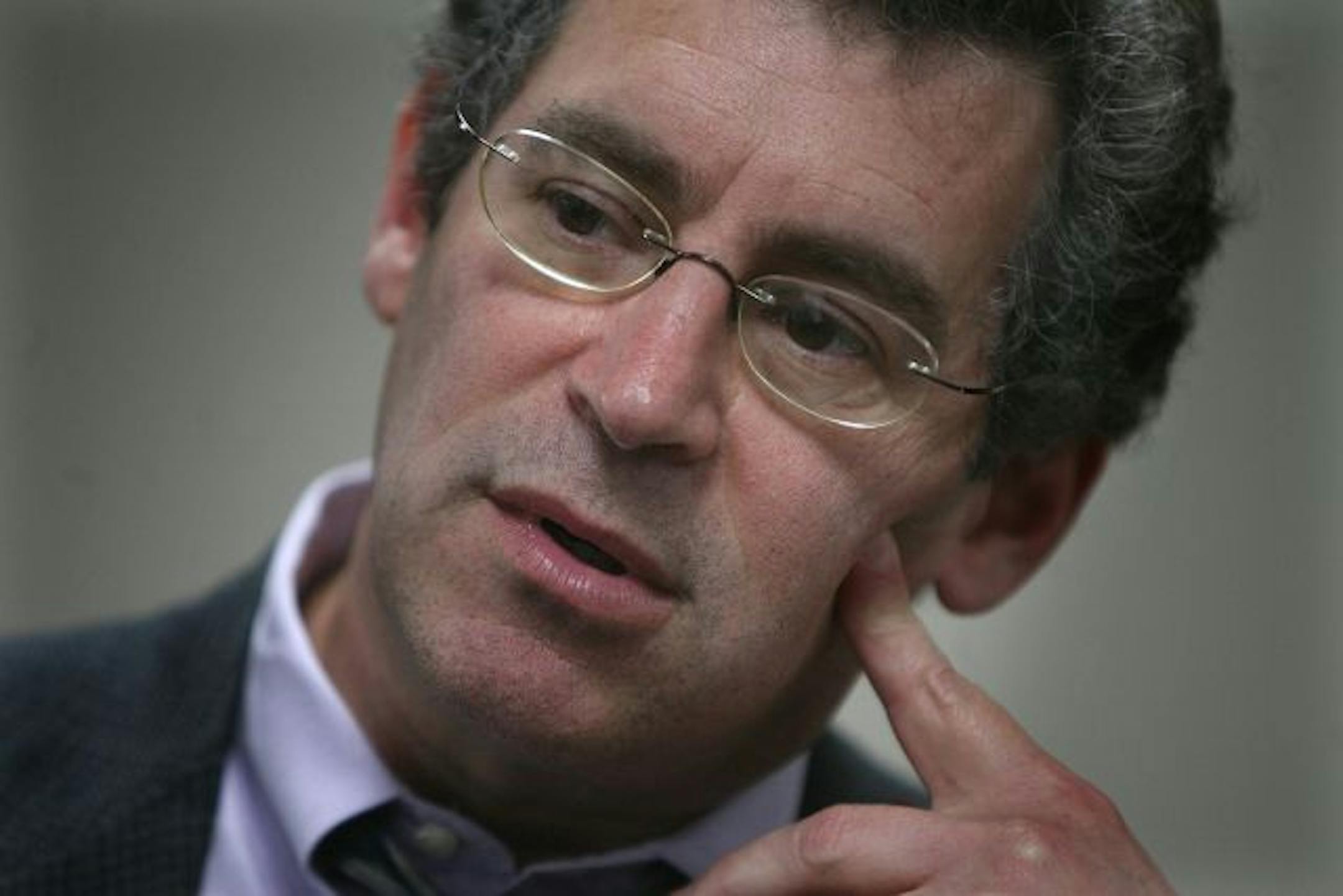
Fifteen years ago, Ratner, an associate professor at the University of Minnesota Medical School, quit his office practice to concentrate "on people who couldn't or shouldn't" leave home to see him.
"That's the era I grew up in," said Ratner, 52, who was raised in St. Louis Park. "If you had some sickness, the doctor came by the house. In many ways, I'm trying to recreate" that.