

We always got the easy parts, we clever teenagers. We knew that the Jester was Bob Dylan, and that "Jack Flash sat on a candlestick" referred to the Rolling Stones playing Candlestick Park. "Eight miles high and falling fast" was trivial. There were always a few kids who attached a deep theological meaning to "no angel born in hell" — surely not the Hell's Angels and the murder at Altamont in December 1969, that was too easy! — but the rest of us were smugly certain. The best way to start an argument, though, was to present some confident thesis on what was meant by "for 10 years we've been on our own" or who was singing "dirges in the dark."
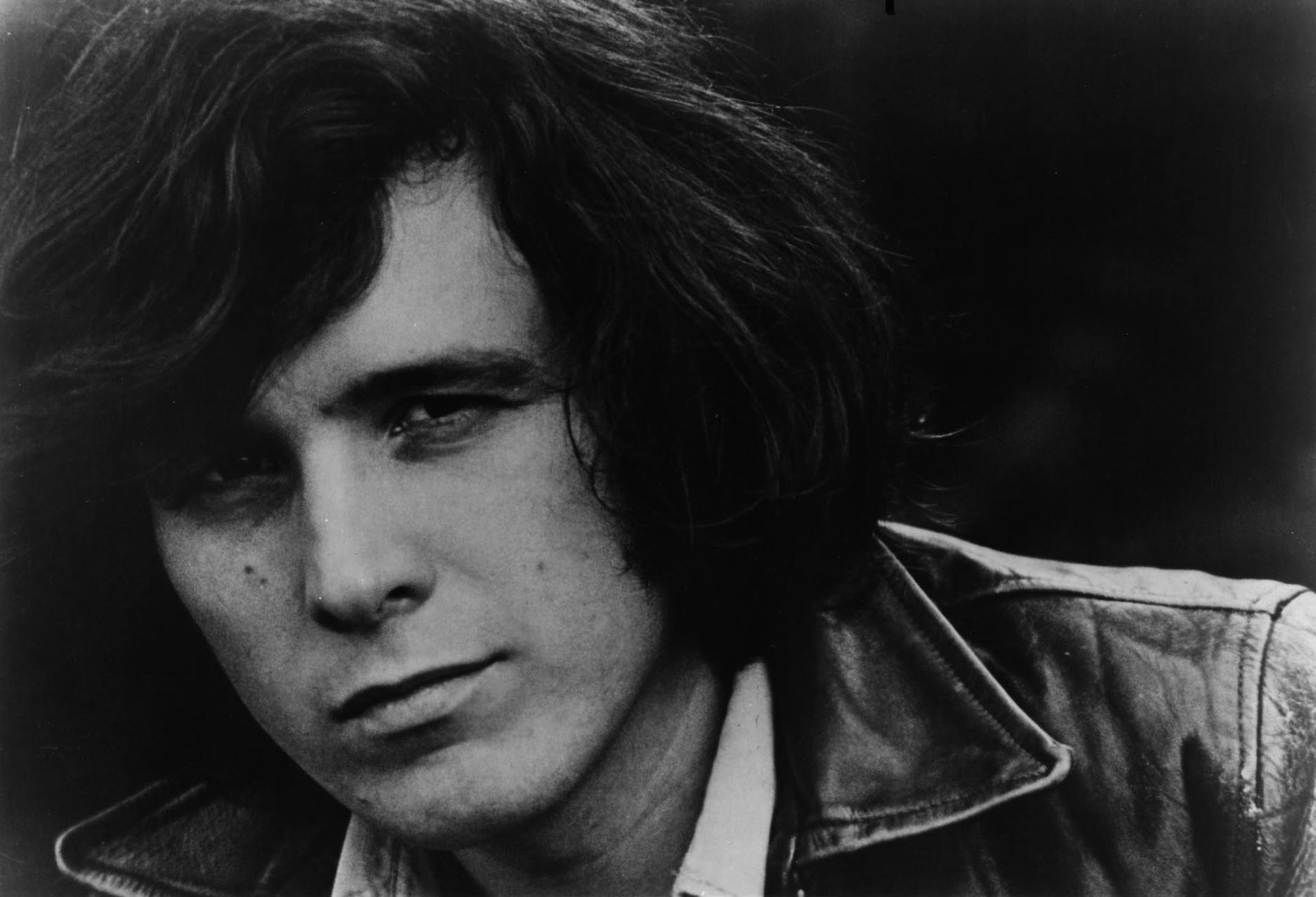
That was what it was like to be in high school in small- town America in 1971 when Don McLean's iconic "American Pie" was released. At eight and a half minutes long, the song was by far the longest No. 1 single in history. The mysteries of its lyrics were a part of our lives, even those of us who didn't particularly care for popular music.
Newspapers, including my hometown Ithaca (N.Y.) Journal — in those days a bastion of Republicanism — ran long articles analyzing the lyrics. Even as McLean himself kept a studied silence, callers to radio talk shows debated angrily over whether the reference at the end to "the Father, Son and the Holy Ghost" should be read literally, or as an allusion to Buddy Holly, the Big Bopper and Ritchie Valens (who died in the 1959 plane crash that inspired the song), or perhaps as standing in for the martyred John Kennedy, Robert Kennedy and the Rev. Martin Luther King Jr.
These memories came flooding back with the news that come April, Christie's will be auctioning the original manuscript and notes — "16 pages of handwritten and typed drafts" — and that McLean himself has promised that the package "will divulge everything there is to divulge." No more mysteries. Everything will be clear.
Why doesn't that thought make me happier? Don't I want to know why the "generation lost in space" had "no time left to start again?"
The analytical and scholarly part of me is always ready to gobble up new information on just about any topic. But another part of me is troubled. The final settling of these seemingly ancient arguments, even as it inspires a certain rosy nostalgia, also leaves me with a peculiar sense of loss.
What was fun about not knowing was not knowing. Back in my teen years, we'd argue over the answers for the sake of arguing over the answers. We could dispute for days over the identity of "the players" who "tried for a forward pass." That we had no way to prove who was right was part of what made the battle worthwhile.
I often tell my students that they need to maintain a high tolerance for ambiguity, that the most fascinating questions are often those that are the most unanswerable. But our conversational tastes these days run the other way. We seem unable to bear the imponderable.


