

After Russia's invasion of Ukraine spurred record-high gas prices at U.S. pumps, many people have debated whether owning an electric car instead of a gasoline one could be a wise investment.
It might seem like a simple question, but it has a very complicated answer.
"You can't really get out a calculator and do this at home," said Tom Taylor, policy analyst at Atlas Public Policy, a consulting firm based in Washington, D.C. "It's really difficult."
According to a February analysis by the firm, electric vehicles do tend to cost less in the long term than some of the most popular gasoline cars. But that depends on a number of variables, including how many big-buck accessories you order and whether you primarily stay close to home or like to take road trips.
There are many studies and articles online comparing the costs of electric vehicles to gas ones. But, Taylor warned, customers need to closely read these studies to truly understand what the numbers mean.
According to the Atlas Public Policy analysis, while the initial purchase price for electric vehicles tends to be higher than for gas ones, other expenses such as fuel, maintenance, insurance and taxes bring the total ownership cost for electric vehicles down in the long term, ending up cheaper than many gasoline alternatives.
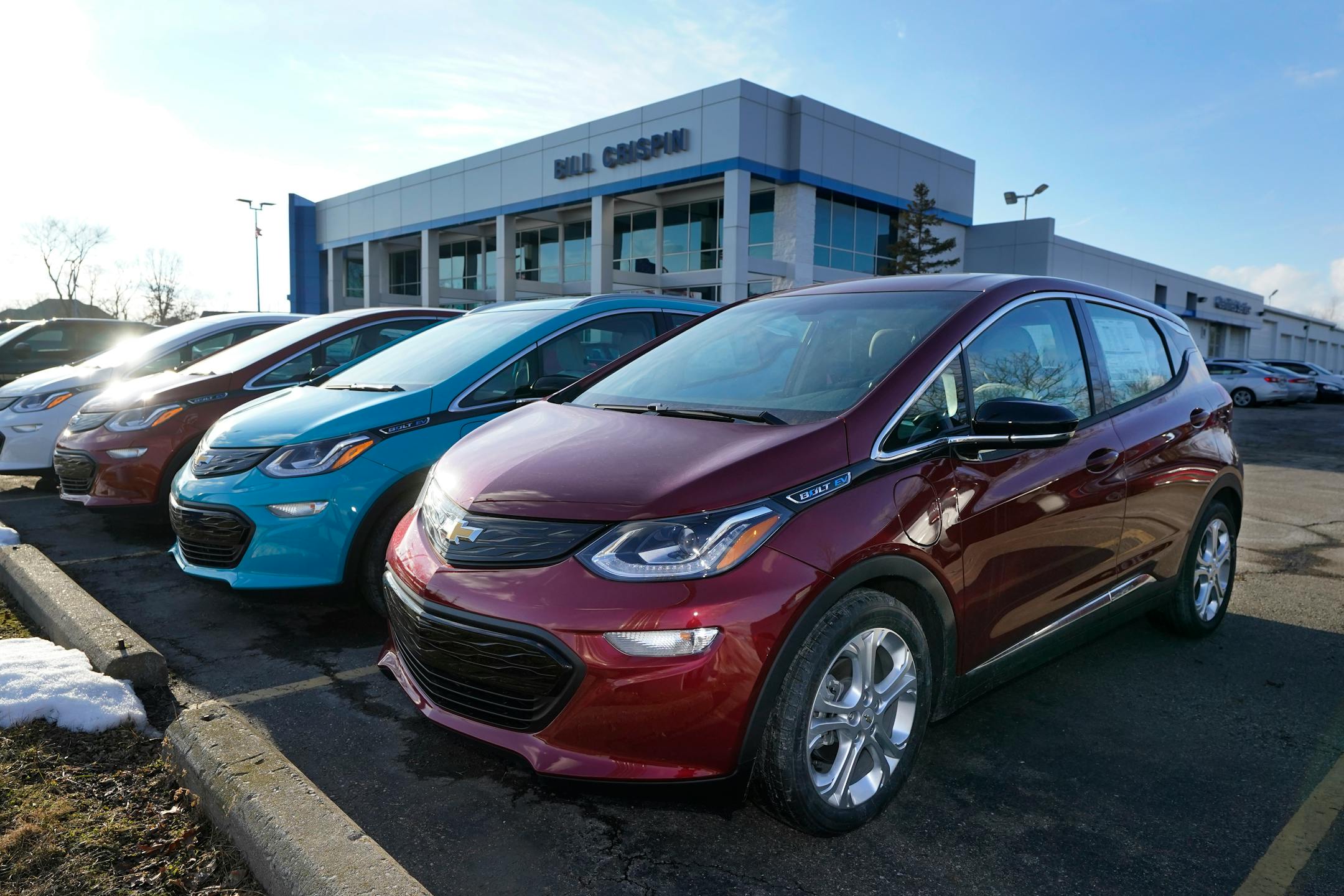
The analysis compared costs of two similar sedans: a 2022 Toyota Corolla — a gas vehicle — and a 2022 Chevrolet Bolt, which is electric.
The Toyota selling price starts at about $20,000, while the Chevrolet sells for about $30,000. Top-of-the-line accessory and trim packages, including a bigger engine for the Corolla and a bigger battery for the Bolt, can add another $6,000 to $8,000 to those numbers.


