

To Minnesota pheasant hunters, state wildlife researcher Nicole Davros is best known as the bearer of bad news.
To co-workers at the Department of Natural Resources (DNR), she's the pragmatic, upbeat team leader who wants to make a difference in favor of more upland game.
"I know our numbers look down," Davros said in an interview. "But I'm optimistic for the next five years."
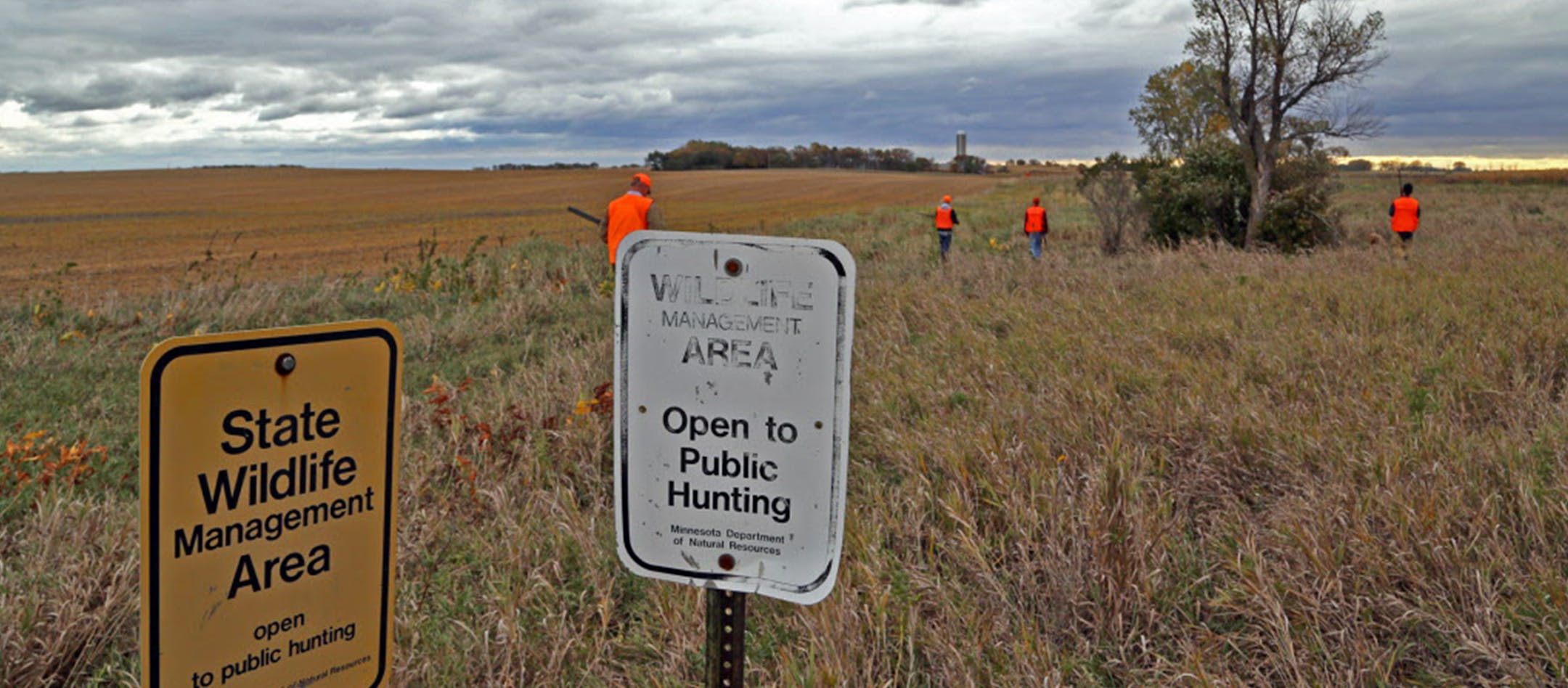
When the 11-week ringneck season opens Saturday at 9 a.m., hunters will put to the test a grim 2017 pheasant report. Pheasant counts in a standardized DNR survey conducted in August plunged 26 percent below last year's level and 32 percent below the state's 10-year average. The report was delivered last month by Davros and DNR research biologist Lindsey Messinger from their office in Madelia.
Davros, a conservation biologist who has rapidly gained research authority at the DNR, said she has a hunch the roadside survey undercounted birds. She has seen it before when pheasants don't nest until late in the season. She bases her optimism on the paradox that rooster numbers showed improvement in the survey while hens and broods went missing.
Still, as the acting wildlife research supervisor in Minnesota's farm country, her big-picture outlook for pheasants is tied to the birds' shrinking habitat. There have been noticeable gains in public grassland, but total undisturbed grassland habitat has taken a massive hit since 2007. In that time, 686,800 private farm acres planted in grass have been returned to crop production with the expiration of federal payments to farmers under the Conservation Reserve Program (CRP).
While conservation groups, environmentalists, some farmers and natural resource managers push for a nationwide revival of CRP, Davros continues to study how pheasant habitat is managed. She's searching for breakthroughs in land management techniques to boost populations.
Joe Stangel, the DNR's acting assistant regional wildlife manager in Nicollet, said Davros fits the agency's mold for wildlife researchers. She advocates for hunters and studies new ways to manage land to benefit game birds, Stangel said. She moonlights as a college professor and holds a Ph.D. in ecology, but she's not an ivory tower type.


