

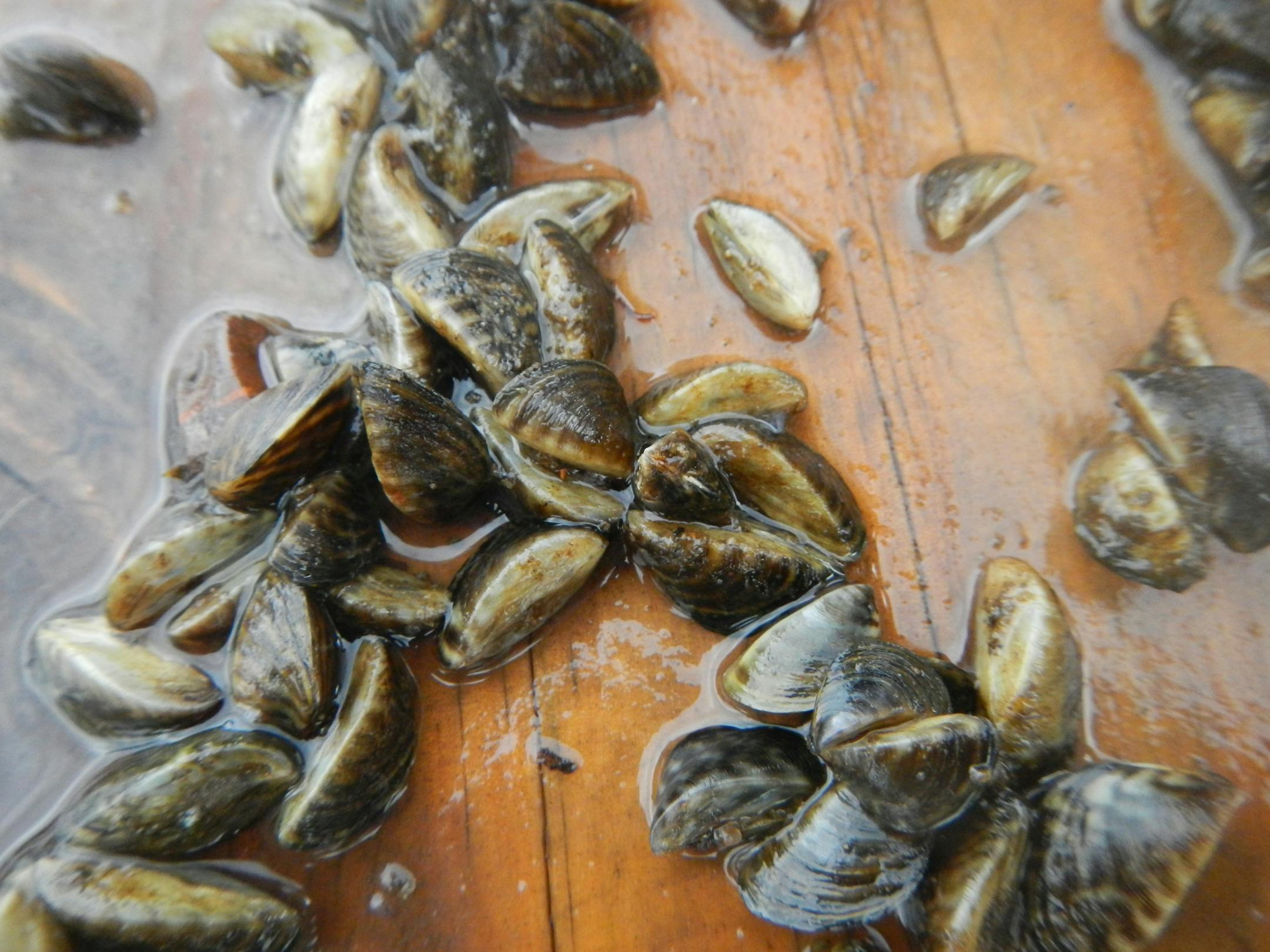
It's become a weekly alert in the Twin Cities: Another lake infested with zebra mussels.
This week, it's Lake Independence in the west metro. Last week, it was Lake Waconia and White Bear Lake. Earlier last month, it was Christmas Lake and Lake Virginia, smaller lakes in the west metro.
Despite new efforts by the Department of Natural Resources, the recent spree of lake infestations have left some critics feeling like the state is losing the battle against the proliferating pests that threaten to forever alter Minnesota's lakes.
"I just don't think they get it; they're just too slow," Mike McLaughlin, president of the Lake Independence Citizens Association, said of the DNR. "They're in charge of protecting our lakes and whatever they're doing isn't working."
DNR staff counter that they're responding to lake infestations as quickly as they can with limited resources and funding. Keegan Lund is the agency's only aquatic invasive species (AIS) specialist overseeing responses to all four metro lakes in the past month. He's one of eight in the state.
In the past two years, Lund said there were no metro-area lakes that were infested with zebra mussels.
"It's definitely been a busy fall," he said. "The lakes that have seen infestations are some of the most heavily used lakes in the metro. One would have thought they'd have been infested long ago. I'd say we're winning the battle and preventing the spread."
Zebra mussels, one of numerous, aquatic invasive species in Minnesota, have infested nearly 200 waterways like popular Lake Minnetonka, Lake Mille Lacs and lower St. Croix River. But experts have long said the effort to eradicate them is far from futile given the many more of the state's nearly 12,000 lakes that aren't infested.


